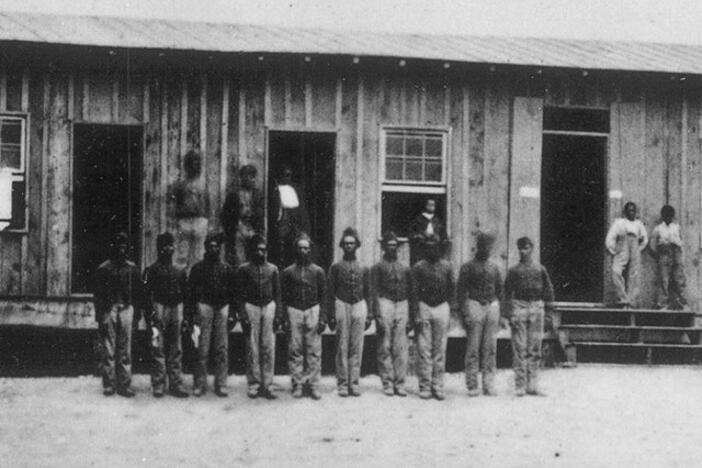
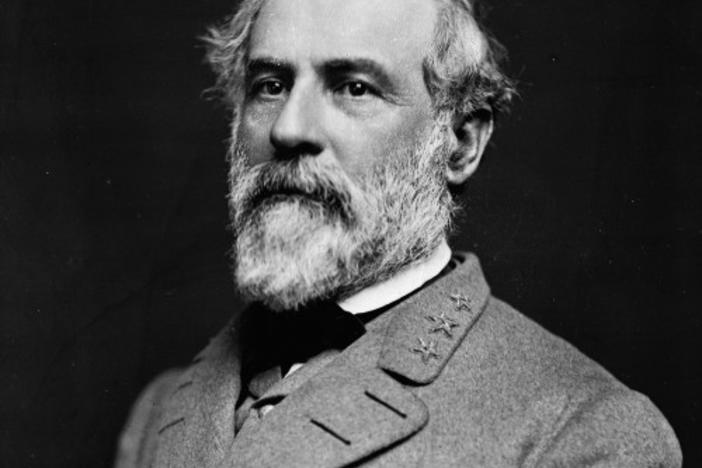
Nearly 200,000 Black soldiers fought for their freedom in the Civil War. And their families risked everything alongside them. Host Chuck Reece explores the legacy of these soldiers through the powerful, historical poetry of Frank X Walker, and with the help of Pulitzer Prize-winner Edda Fields-Black, historian Holly Pinheiro Jr. and Steve Phan, Park Ranger at the Camp Nelson National Monument. This episode brings to light the struggle, resilience, and enduring impact of African American soldiers in Southern history.
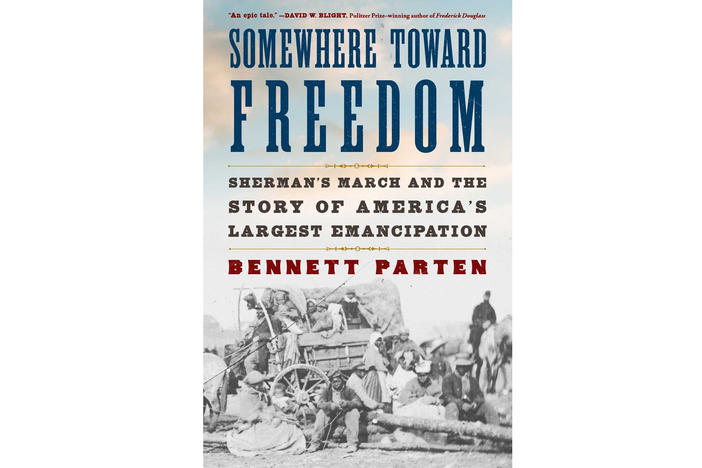
A groundbreaking account of Sherman’s march to the Sea — the critical Civil War campaign that destroyed the Confederacy — told for the first time from the perspective of the tens of thousands of enslaved people who fled to the Union lines and transformed Sherman’s march into the biggest liberation event in American history.
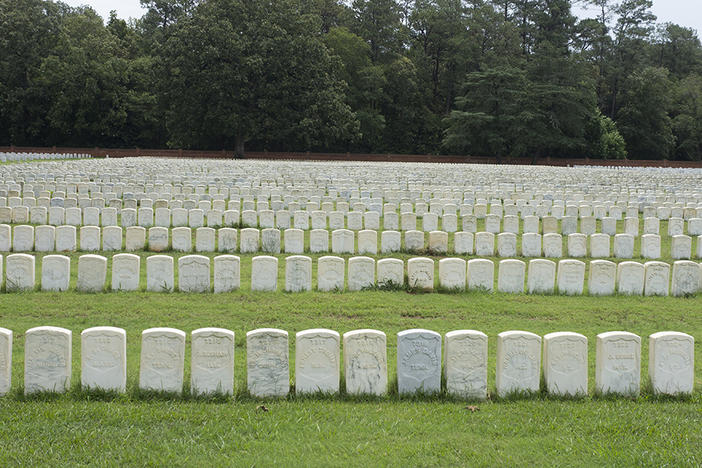
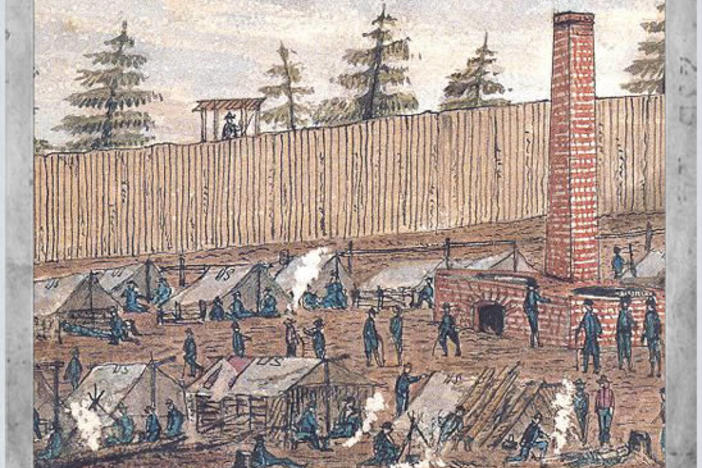
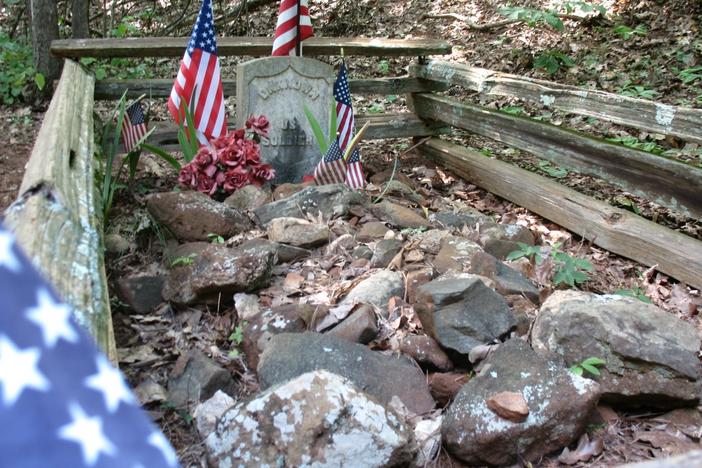
3…2…1…Liftoff! In our newest virtual field trip, Andersonville, students take a trip back in time to one of the largest Confederate military prisons during the Civil War.