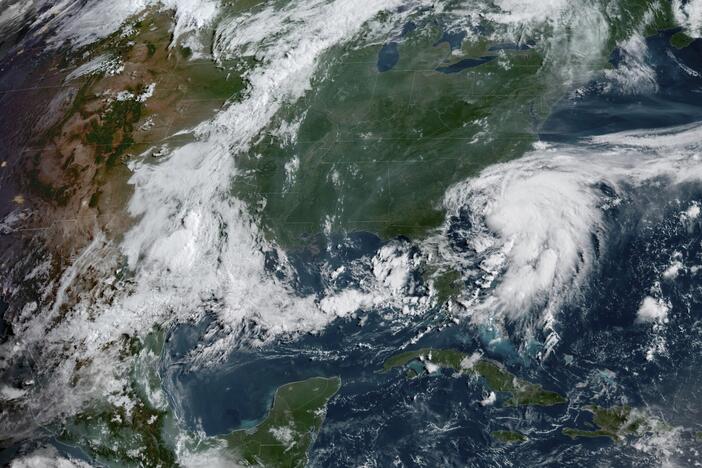
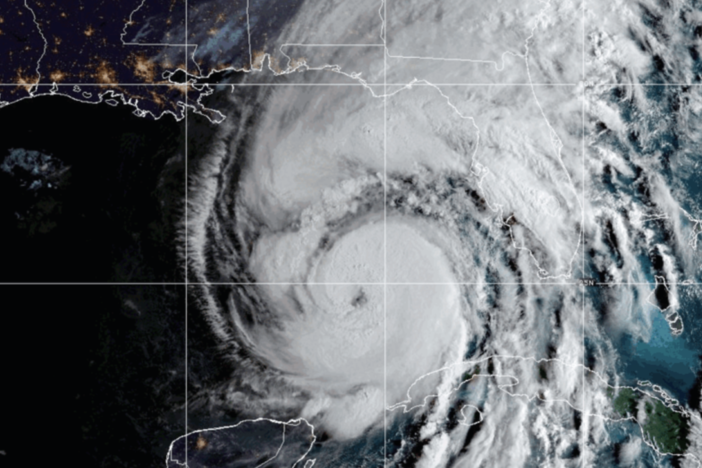
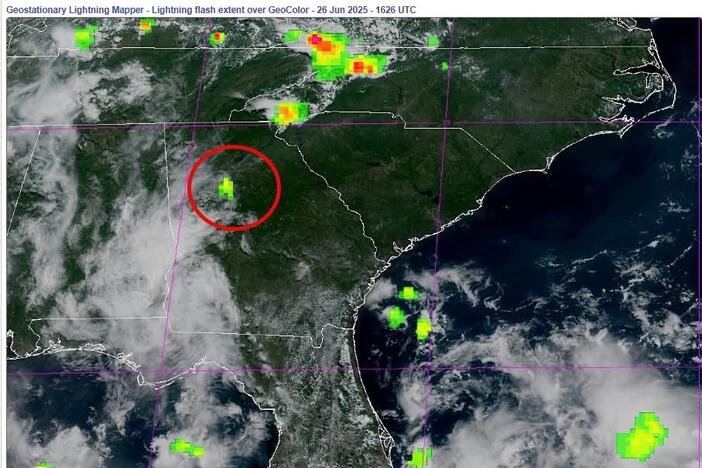
The weather system moving across the Florida Panhandle on Wednesday was showing a greater chance of becoming a tropical depression as it moves toward the northern Gulf Coast.
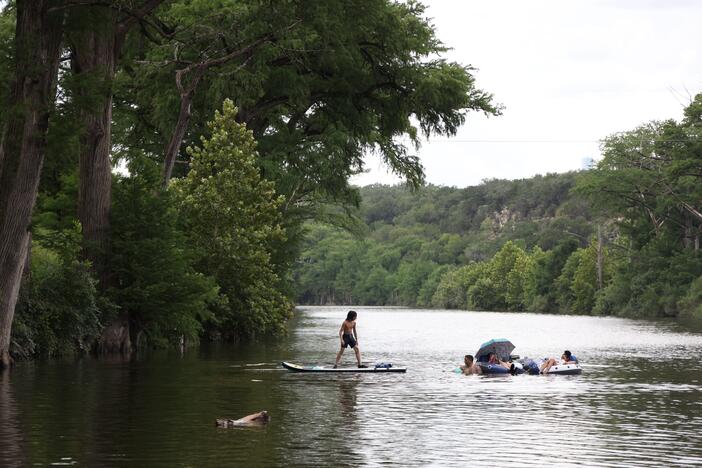
Wimberley, Texas, was the site of a devastating flash flood on Memorial Day weekend in 2015. Now, 10 years later, the town has rebuilt with such floods in mind — but still feels the emotional effects.
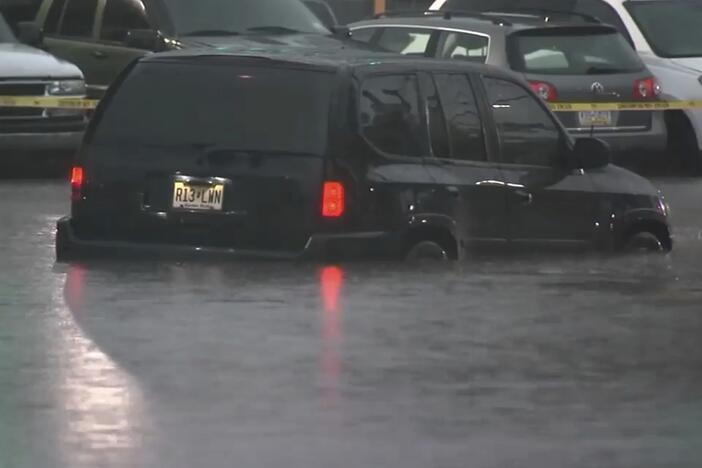
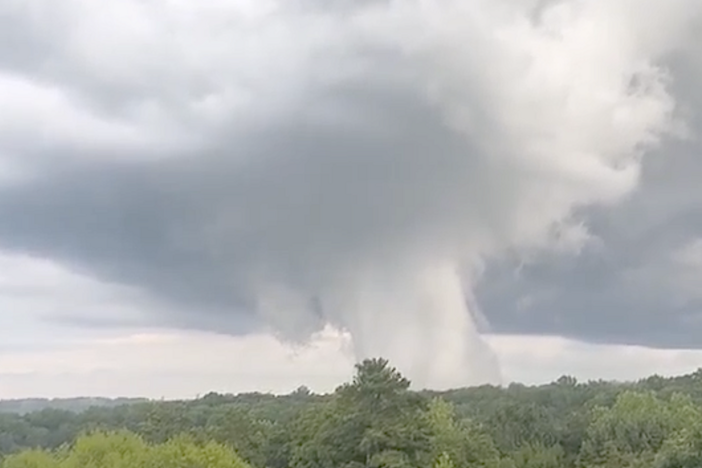
Flash flood watches and warnings were in place in parts of New Jersey, New York, Pennsylvania and surrounding areas as downpours moved through the region.
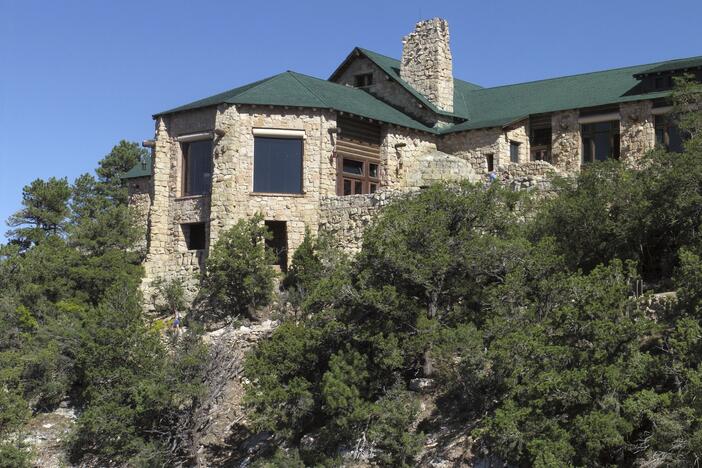
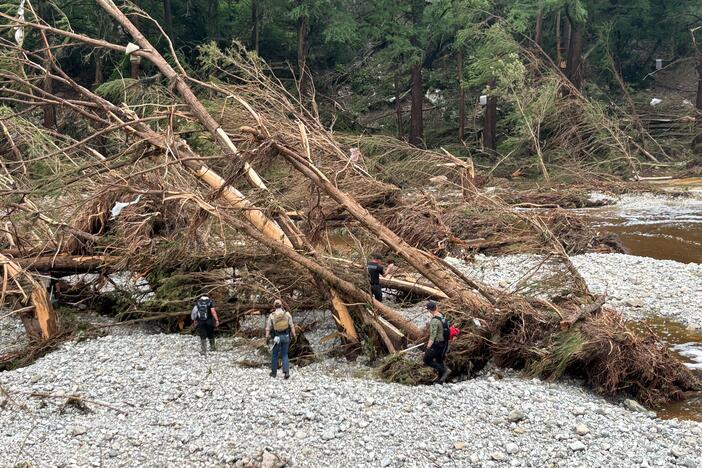
A park official said the visitor center, the gas station, a waste water treatment plant, an administrative building and some employee housing were among the 50 to 80 structures lost.
Flash floods can start suddenly and become dangerous quickly. But there are steps you can take to protect yourself, both in the moment and well in advance.
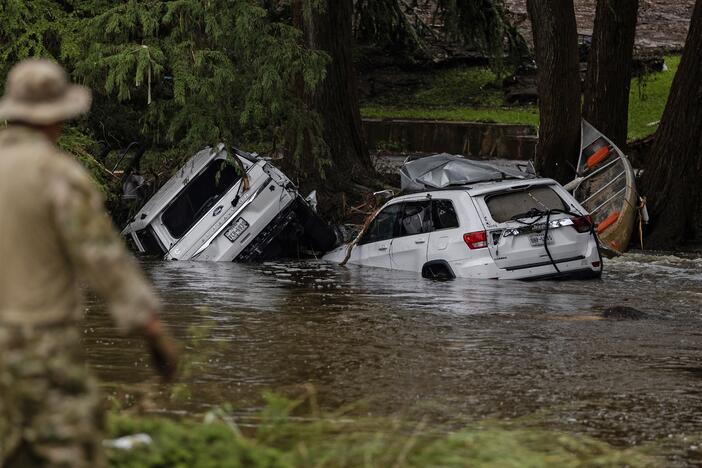
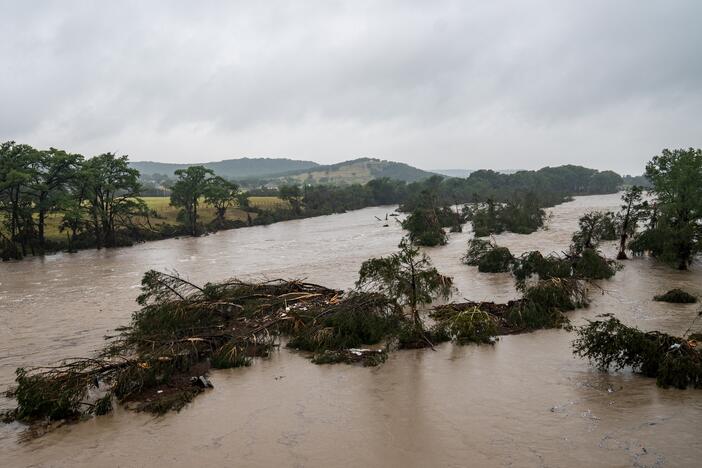
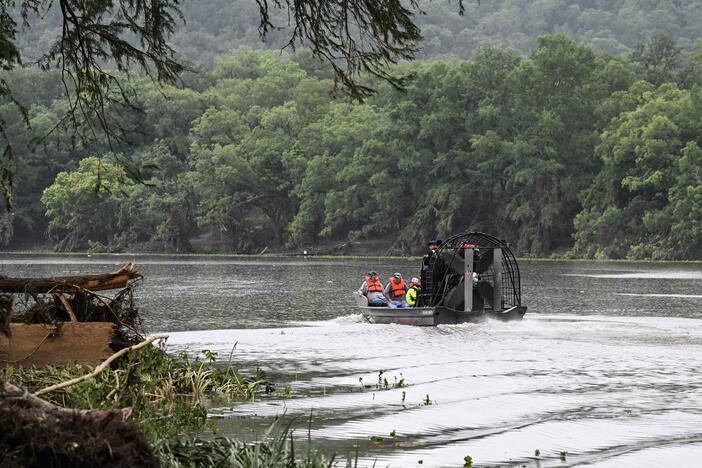
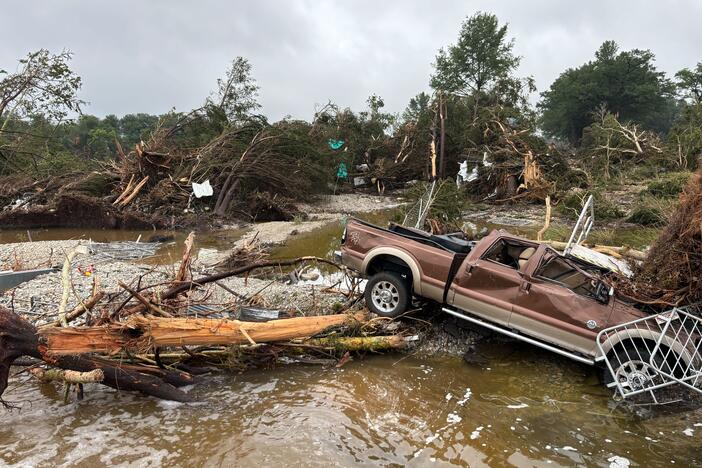
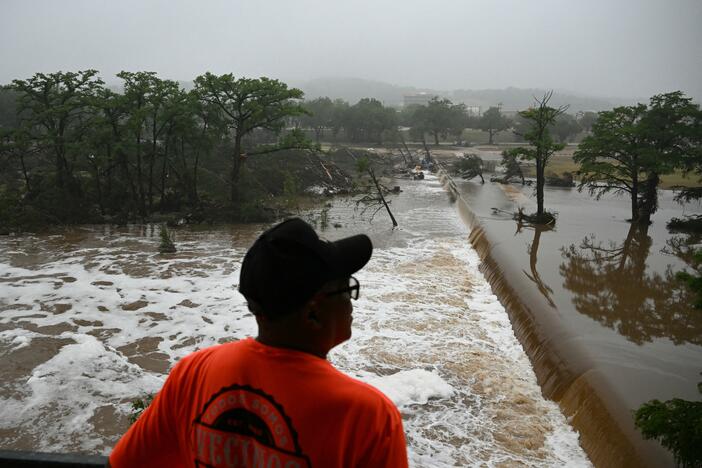
Dozens of people have died in the Texas Hill Country. Scores of others are missing or unaccounted for. As rescue crews continue to search for victims, those who survived are coping with the loss.
As searchers continue to look for victims in the deadly flash flooding in Texas, officials are answering questions about the weather forecasts ahead of and during the storm.
At least 78 people are reported dead after flooding over the weekend. Meanwhile, residents are advised to be cautious over the next 24 to 48 hours as more rain threatens the area.
Tropical Storm Chantal grew in strength as it approached the southeast U.S. coast. It's forecasted to bring heavy rains to parts of the Carolinas on Sunday.
NPR has compiled a timeline of when local, state and federal officials posted warnings on social media as well as the timeline of events as presented by local officials.