Twenty-five years after 9/11, the surveillance infrastructure built and expanded in its aftermath has become part of a far larger digital ecosystem — producing tools that can collect and analyze information on a scale unimaginable in 2001.
The sweeping lawsuit brought by Common Cause argues federal agencies are illegally surveilling and intimidating people who try to peacefully observe federal immigration enforcement activity.
DHS allegedly went undercover at community meetings, subpoenaed the financial records of labor unions, and created dossiers on people at a church gathering, according to court filings.
One of the nation’s largest providers of automated license plate readers is making changes to its platform intended to quell privacy concerns and address documented abuses of its system by some members of law enforcement.
ICE is expanding its use of iris recognition technology, with plans to deploy hundreds of scanning devices across the country. The practice raises concerns among privacy experts that the Department of Homeland Security is amassing a database of biometric data.
The House has approved a three year extension of the surveillance program known as FISA Section 702. The bill now heads to the Senate, where it faces a difficult path to final passage.
Billie Little had worked for Thomson Reuters for about two decades. She was fired after questioning whether federal immigration agents unlawfully used their products.
Cities around the country are debating whether to keep their automatic license plate readers. Concerns about privacy and federal immigration agents can access local data are driving these debates.
Laila Lalami's dystopian novel centers on a woman who's been incarcerated because an algorithm flagged her as a crime risk. The Dream Hotel paints a grim picture about the ways our data can betray us.
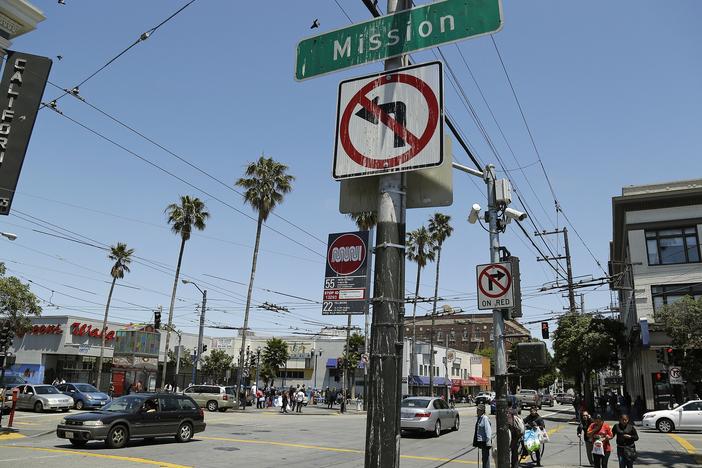
San Francisco software engineer Riley Walz's Bop Spotter runs the song identifier app Shazam to quietly listen in on what music passersby are listening to in the city's diverse Mission District.
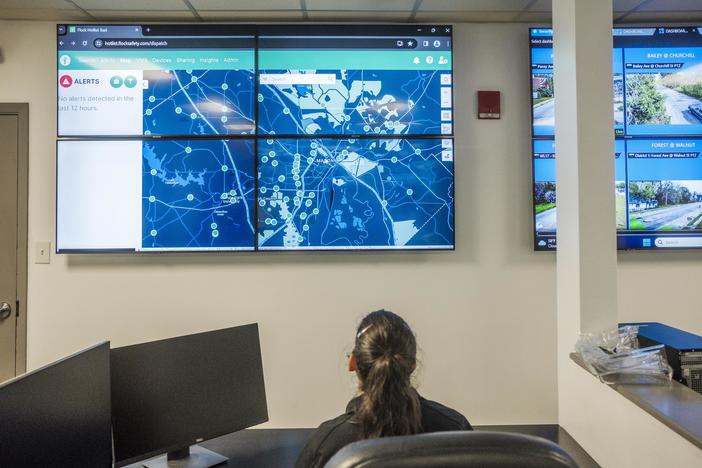
The Macon Bibb County Sheriff’s office is asking people who own doorbell cameras and other surveillance systems to join a new program giving officers easier access to the footage.
Starting April 30, Airbnb is prohibiting all indoor security cameras in its listings. Previously, it allowed indoor cameras in common areas that were disclosed prior to booking and visible to guests.
Israel's military says the system makes it more efficient and reduces collateral damage. Critics see a host of problems with the nation's use of AI, but other militaries will likely follow suit.