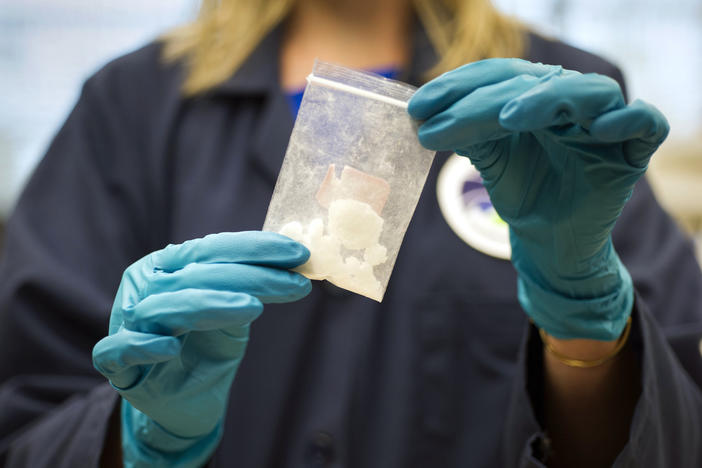
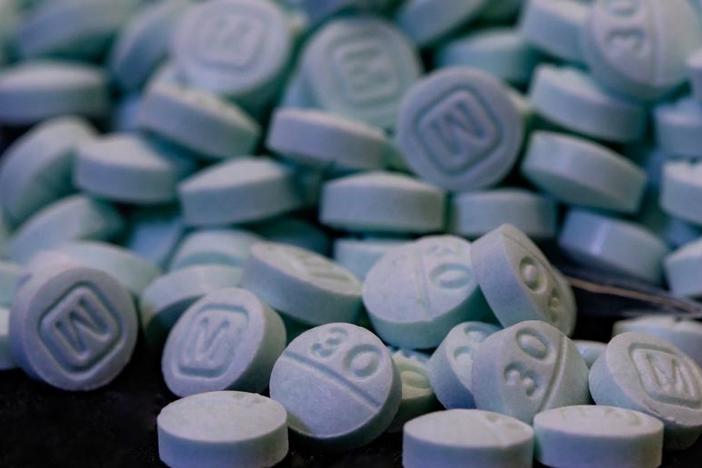
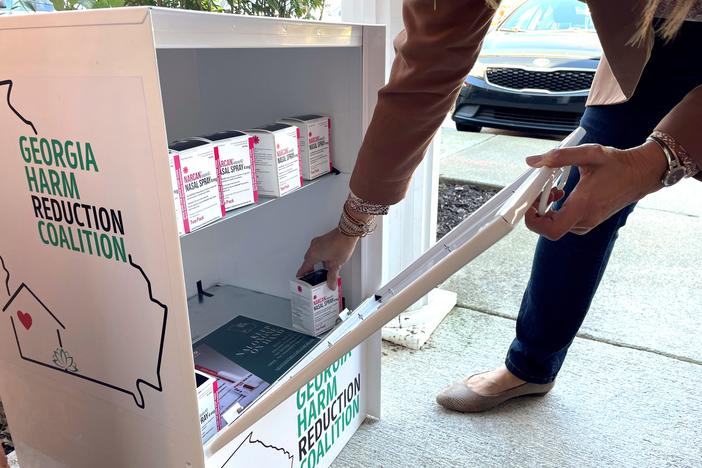
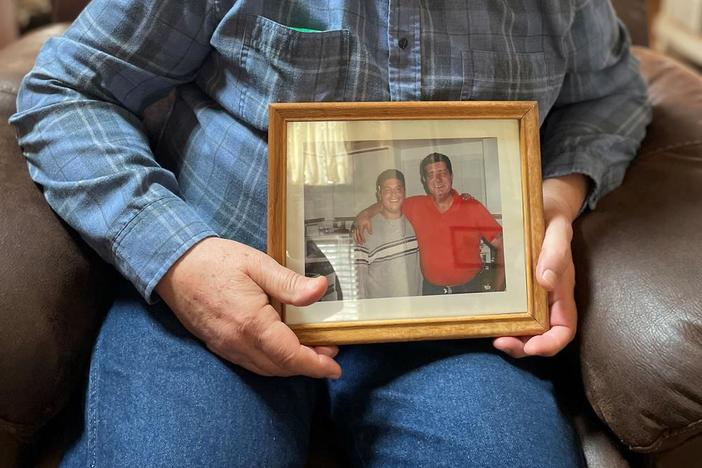
Georgia Senate Bill 79 or the Fentanyl Reduction and Eradication Act, takes Austin's Law to the next step, establishing mandatory minimum sentences for drug crime.
A bill called the Fentanyl Eradication and Removal Act that passed out of Georgia’s Senate last week would create mandatory minimum sentences for those trafficking in fentanyl if passed by the House and signed by the governor.
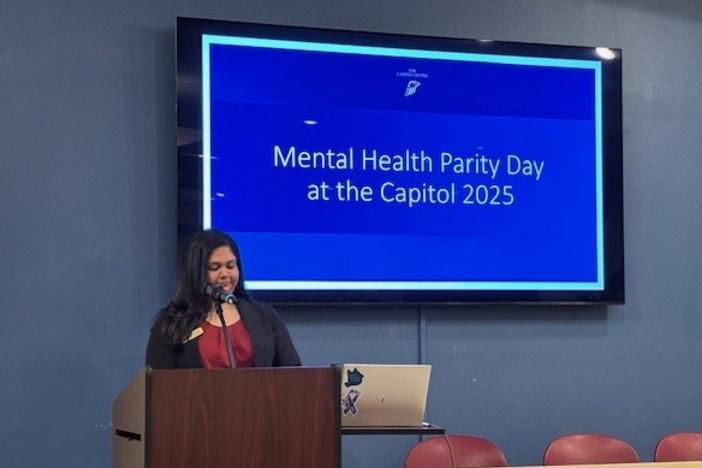
The Legislature passed Georgia’s Mental Health Parity Act in 2022. Since then, the Carter Center and mental health care advocates have remembered the day by visiting lawmakers and asking agencies to hold insurance companies accountable for keeping the state law.
Work at the Carter Center helped make Georgia the leader when it comes to certified peer specialists, who are trained to counsel others from a perspective of shared experience.
Bills to define and regulate sober living housing, add funding for local peer-led support programs and better enforce healthcare parity laws are high priority for mental health stakeholders this session.
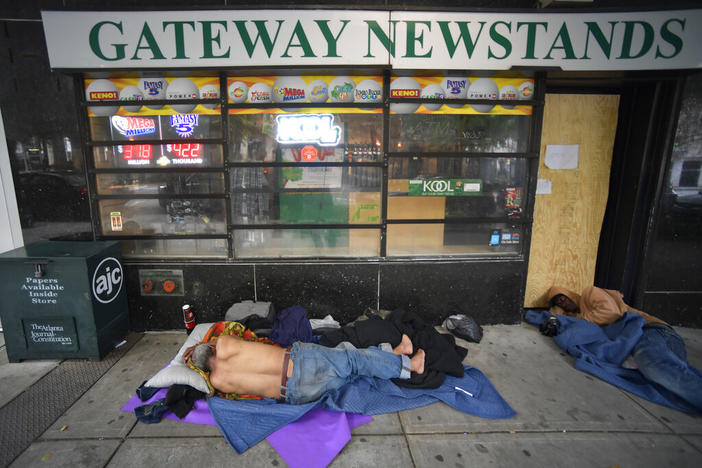
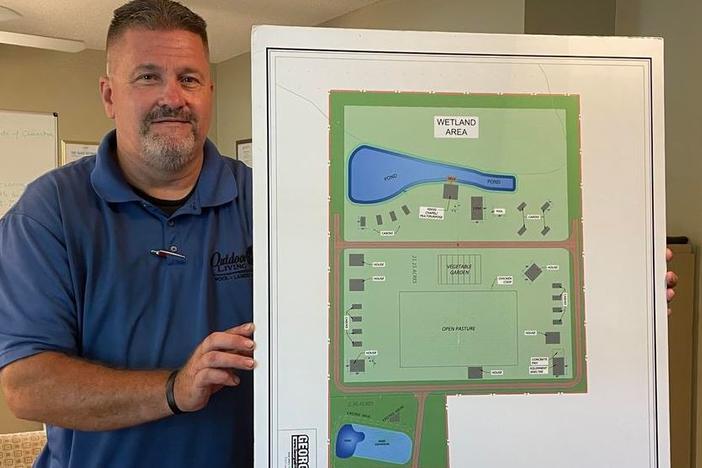
Between 2022 and 2023, there was a 63% increase in the length of time people experienced homelessness in DeKalb County. A disproportionate number of those impacted are children and people of color.
In Georgia, those that make it through accountability court programs — over 1,000 every year — are far less likely to re-enter incarceration and addiction.
Since the late 1980s, Georgia has led the way in training professional peer counselors with substance misuse and mental health challenges to help others in similar situations.
In 2022, total deaths by suicide and drug overdose declined slightly for the first time in five years, according to a report from Trust for America’s Health.
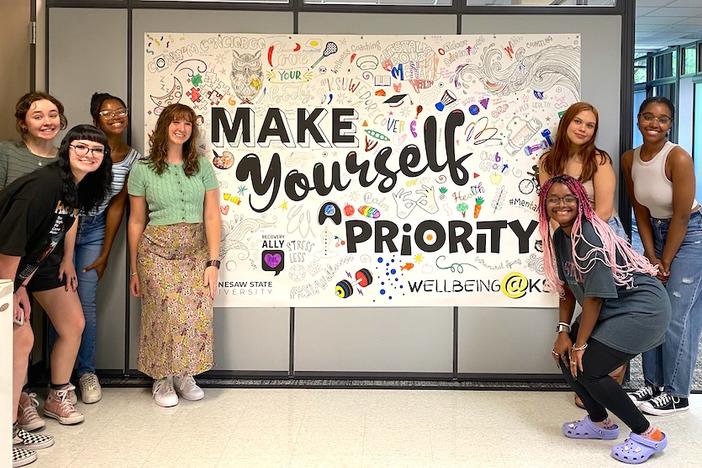
Teachers at Roswell High School allow students to leave class for therapy appointments and return without missing a beat because teachers know that if the student is struggling with mental health, they're not going to be able to focus on math or science, school social worker Valerie Rogers says.
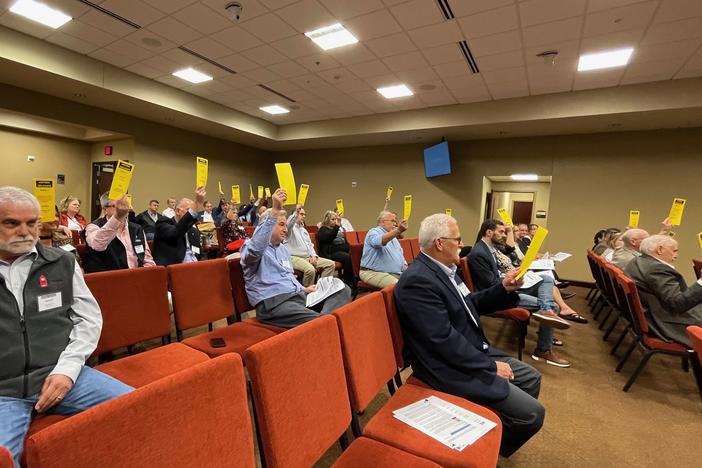
Commissioners in Forsyth County are split on whether to use federal COVID relief funds for mental health care now that the planned building costs exceed the budget by $12 million. The plan is now up in the air, to the frustration of many residents.