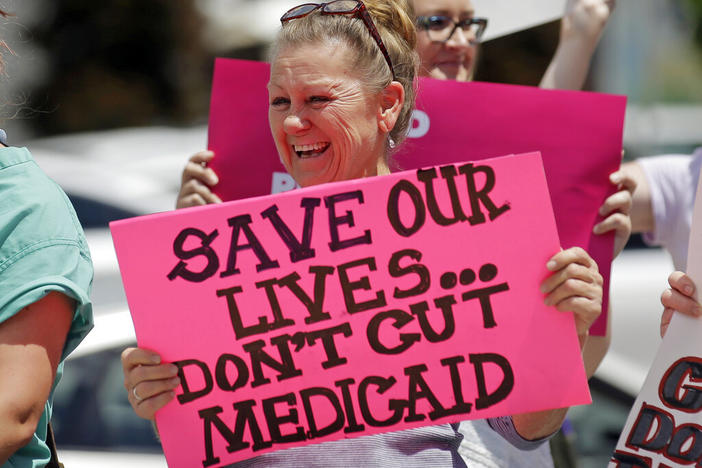
Access to Medicaid in the Deep South is a crucial lifeline because the region has one of the highest percentages of people living in poverty in the United States, according to the SPLC report.
When a disabled young woman moved out of a hospital to her own apartment, the Trump administration celebrated — even though it's ending the federal program that made it possible.
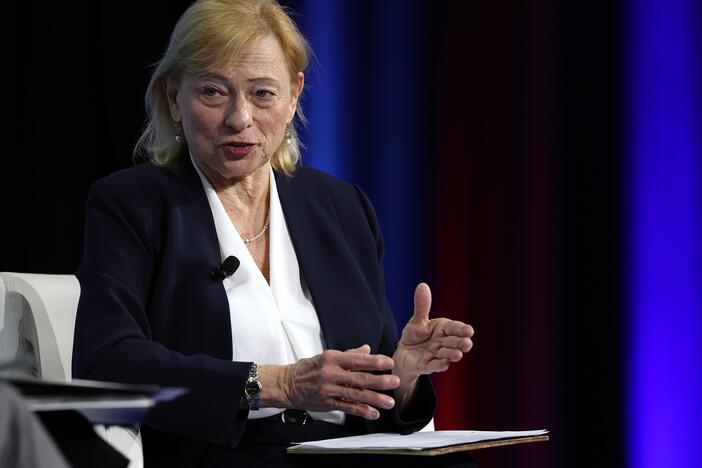
Maine Gov. Janet Mills speaks with NPR's Leila Fadel about how President Trump's massive tax and spending bill will harm the state's healthcare system and residents.
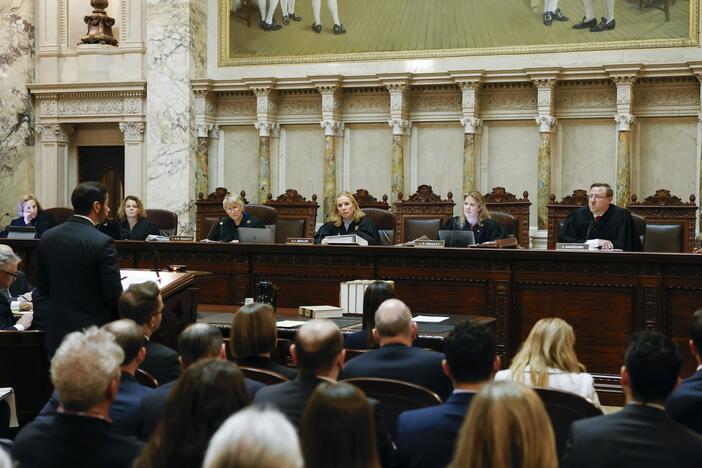
After years of litigation following the Dobbs decision, the Wisconsin Supreme Court justices, with their liberal majority, ruled that the state's 176-year-old law does not ban abortion in the state.
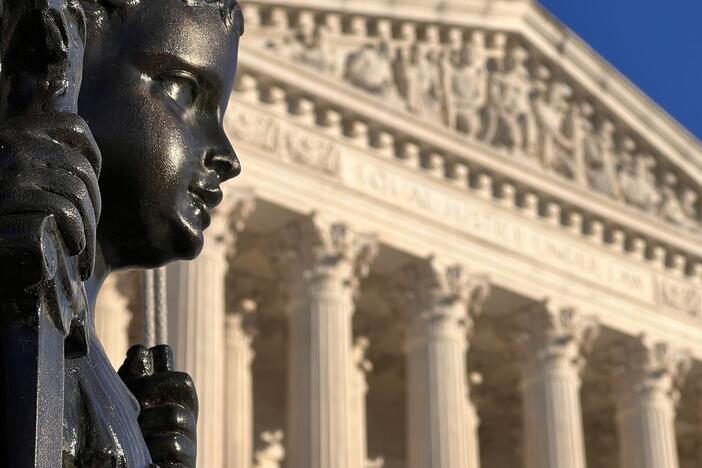
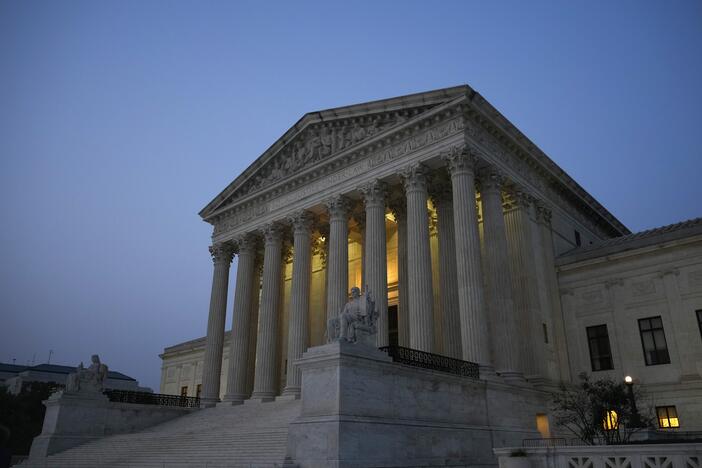
Siding with the government on Friday, the court upheld the Affordable Care Act, allowing the U.S. Preventive Services Task Force to continue determining which services will be available free of cost to Americans covered by the Affordable Care Act.
The Supreme Court allowed South Carolina to remove Planned Parenthood clinics from its state Medicaid program, even though Medicaid funds cannot generally be used to fund abortions.
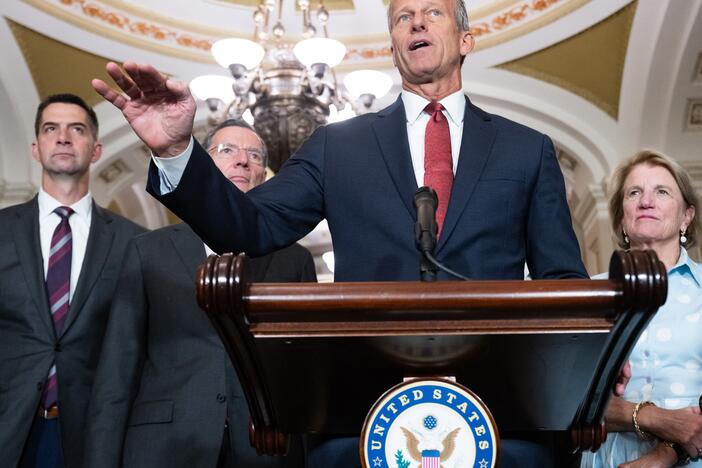
The nonpartisan Senate official whose office determines if legislation fits within the rules of the chamber dealt Senate Republicans a blow on proposed changes to Medicaid.
Medicaid helps pay for the services seniors can no longer do for themselves. Proposed cuts target federal spending for the program, worrying providers of caregiving services.
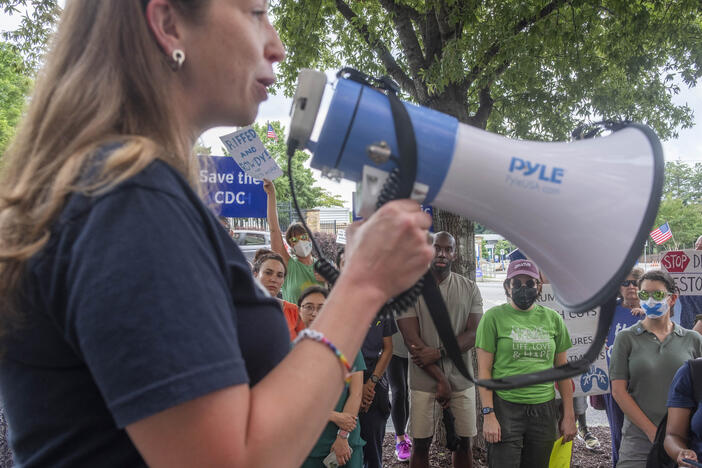
Current and former employees of the Centers for Disease Control and Prevention are angered by a recent decision by Health and Human Services secretary Robert F. Kennedy Jr. to upend an advisory committee that makes vaccine recommendations.
Recent changes to federal COVID vaccine recommendations mean fewer people, including children, pregnant women and people under 65 are likely to be vaccinated. Some worry this could lead to more people with long-term complications.