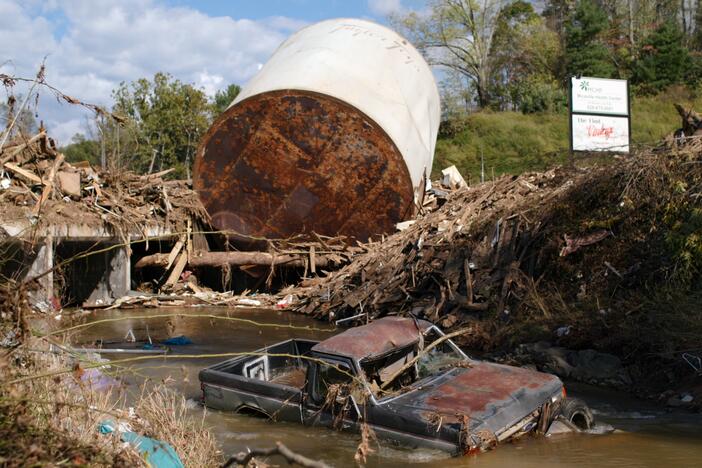
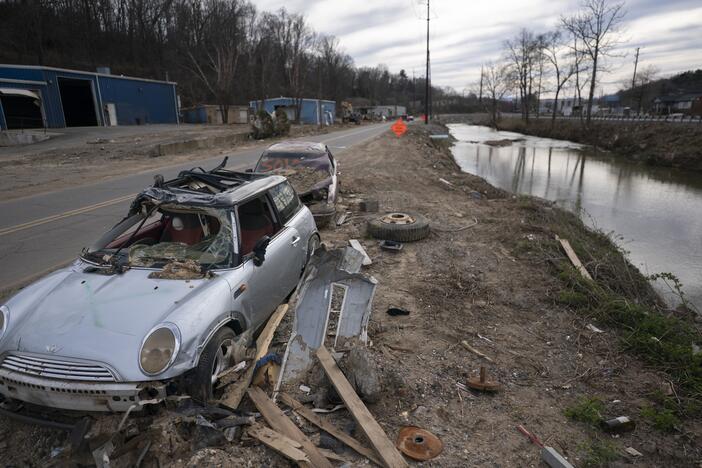
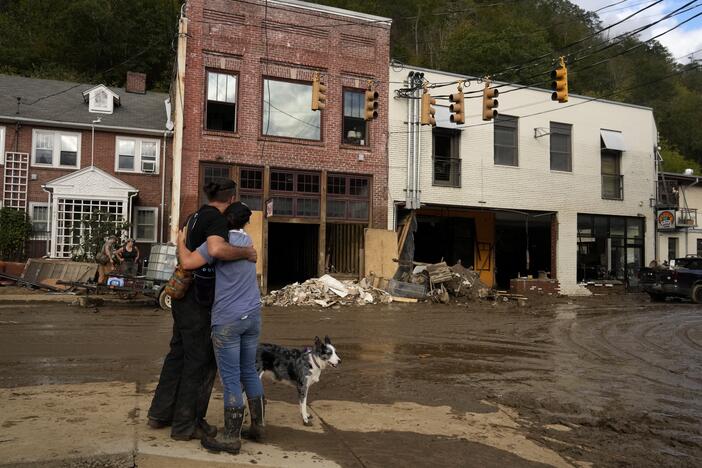
NPR and the PBS series Frontline investigate the forces keeping communities from building resiliently, and the special interests that profit even when communities don't.
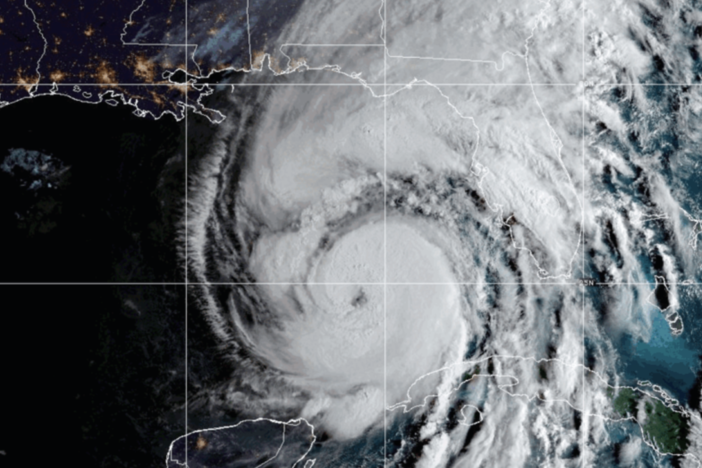
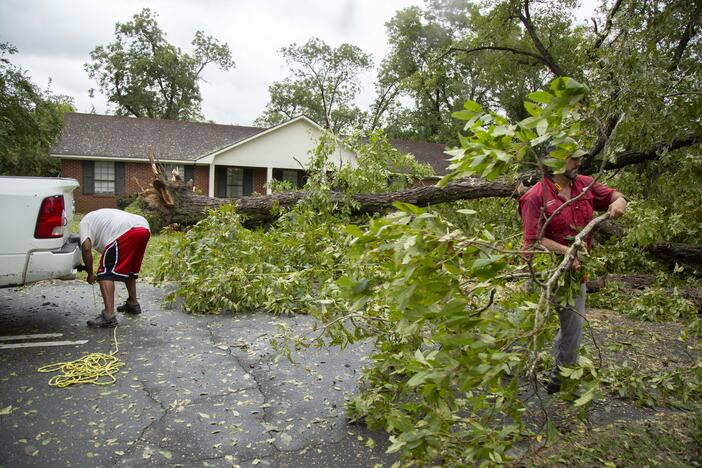
Forecasters expect 13 to 19 storms to form in the Atlantic between June 1 and the end of November. At least 6 of those are forecast to be full-blown hurricanes.
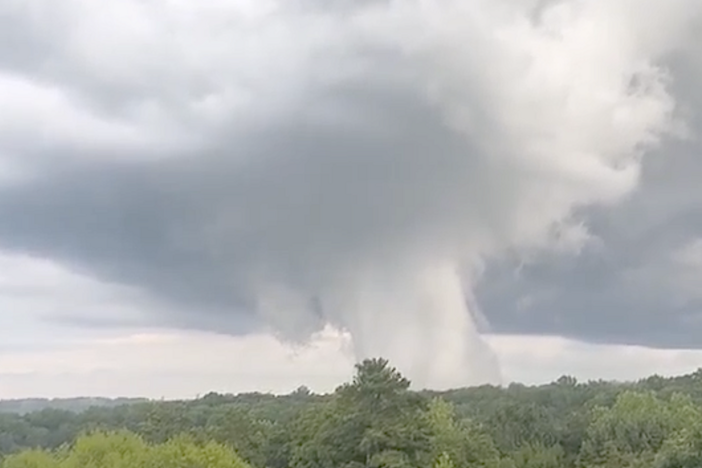
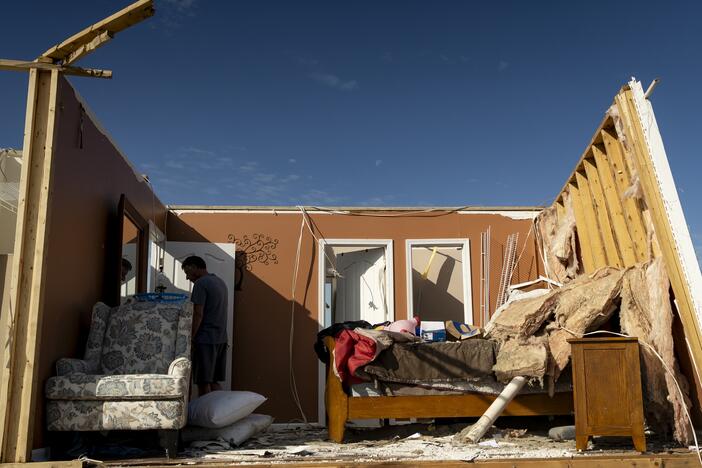
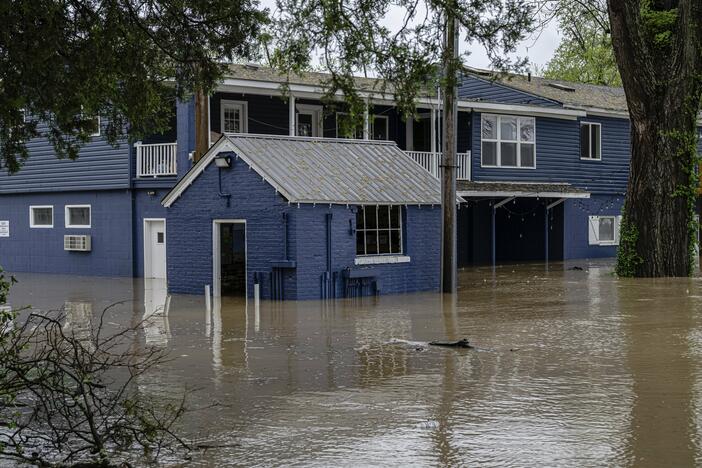
Another round of torrential rain and flash flooding was coming for parts of the South and Midwest. Areas are already waterlogged by days of severe storms that also spawned some deadly tornadoes.
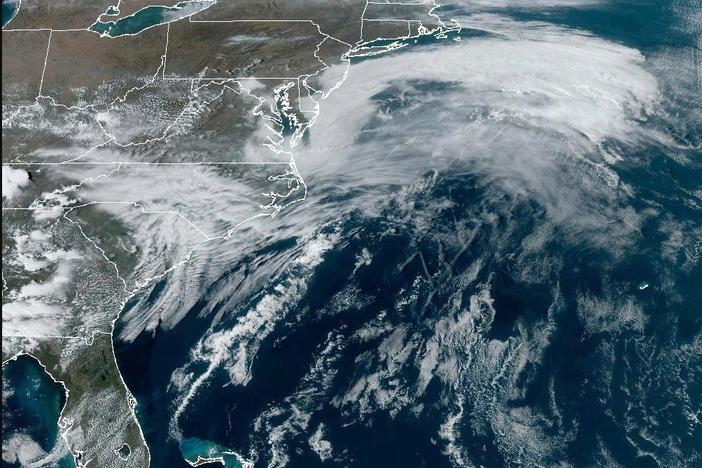
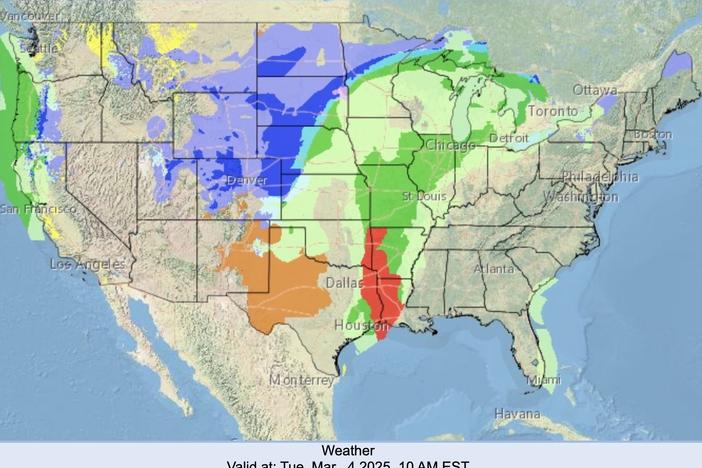
A storm system crossing the U.S. threatens to unleash tornadoes Friday in the Mississippi Valley, blizzards in the northern Plains and dry conditions in Texas and Oklahoma that pose a wildfire risk.
A spring storm is bringing various weather conditions across the U.S. Some regions are facing snow, possible tornadoes, and critical fire conditions, according to the National Weather Service.
Every day through Feb. 7, two federal and state agencies will focus on a specific step you can take to prepare for tornadoes, severe thunderstorms and more.
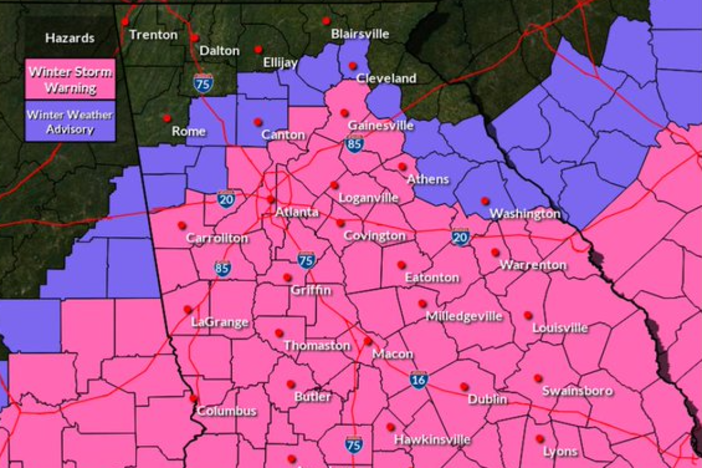
The National Weather Service in Peachtree City is warning Georgians to stay off roads across large portions of the state. 2 to 6 inches of snow is expected to fall in the Southwest region of the state, with 0 to 1 inch or more in Atlanta and suburbs.
From California to the South, tens of thousands of people are without power, due to fires and winter storms. Studies show health risks rise when the power goes out. Here's how to protect yourself.
According to the National Weather Service in Peachtree City, below-normal temperatures are expected throughout the weekend, warming up by Monday, Jan. 13. Rain, snow, freezing rain and ice are expected across Georgia through Jan. 11, which could impact travel.