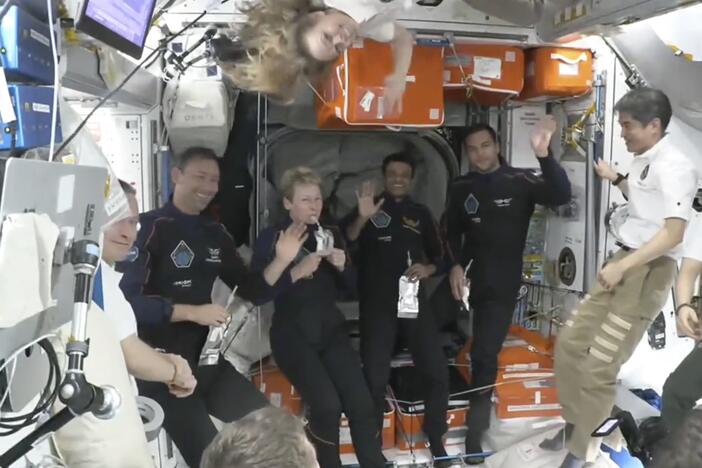
The private crew included Ax-4 mission commander and former NASA astronaut Peggy Whitson. It was her fifth trip to space and extended her record-setting duration to 695 days, the most of any American.
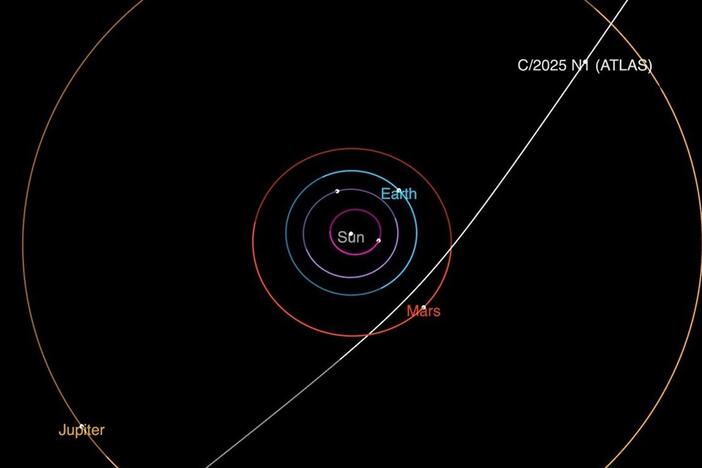
The newly discovered interstellar visitor is just the third of its kind and fascinates astronomers who hope to learn from it about galaxies far, far away.
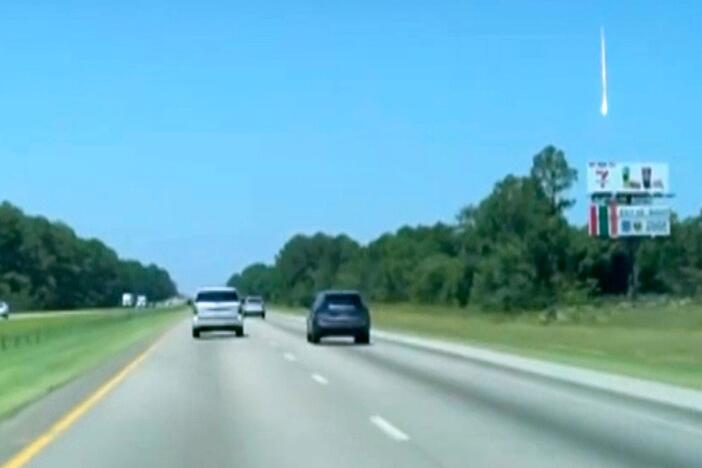
The object was likely either a meteor or space junk, with most sightings of the streak of light and fireball coming from Georgia and South Carolina, the National Weather Service said.
It's the fourth mission to the International Space Station for Axiom Space. The Houston company works with SpaceX for rides to the station and coordinates with NASA to use the ISS for its astronauts.
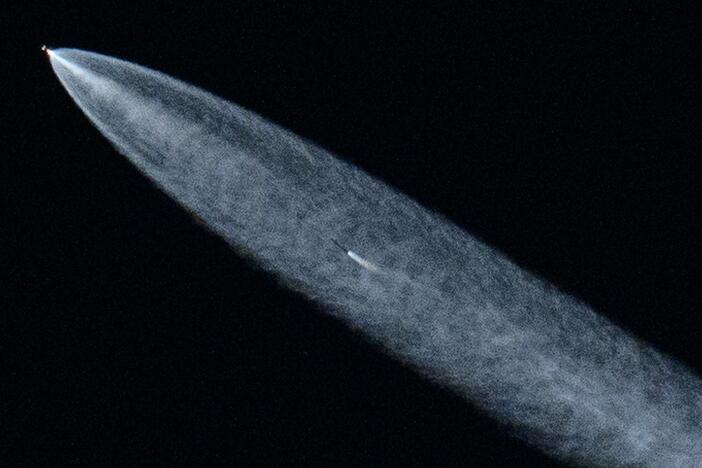
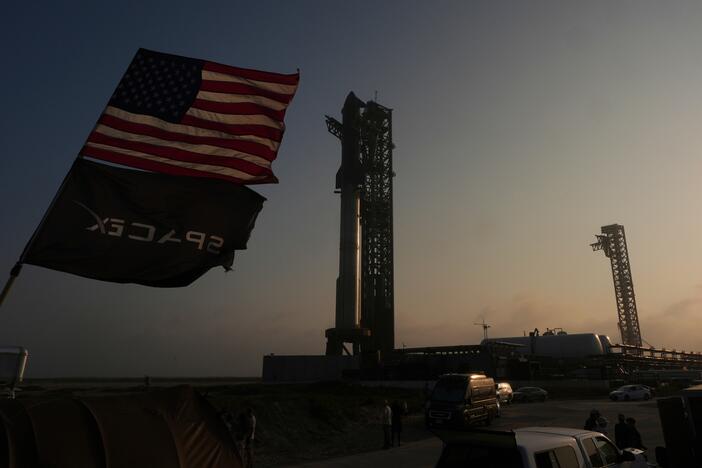
A SpaceX rocket being tested in Texas exploded Wednesday night, sending a dramatic fireball high into the sky. The company said the Starship "experienced a major anomaly."
Besides its flights to the International Space Station and Starship program, SpaceX is deeply embedded in the Department of Defense. The feud between Elon Musk and President Trump could end all that.
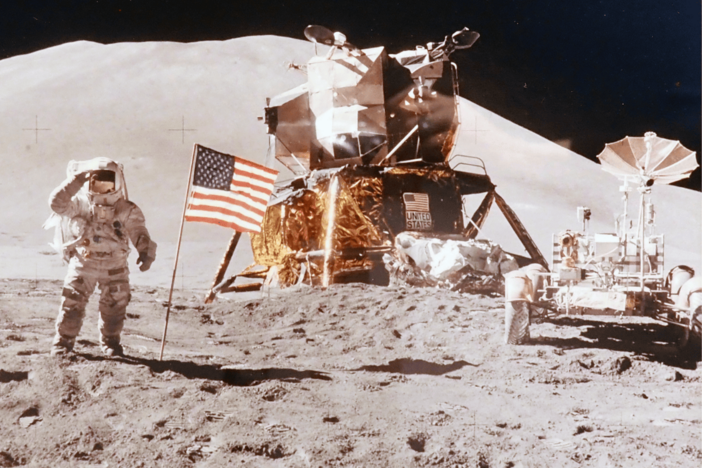
A partnership between Columbus State University's Bo Bartlett Center and its Coca-Cola Space Science Center will provide a rare glimpse into American space exploration.
A performance of the masterpiece will be transmitted into space on Saturday. The waltz has been associated with space travel since its inclusion in the film 2001: A Space Odyssey.