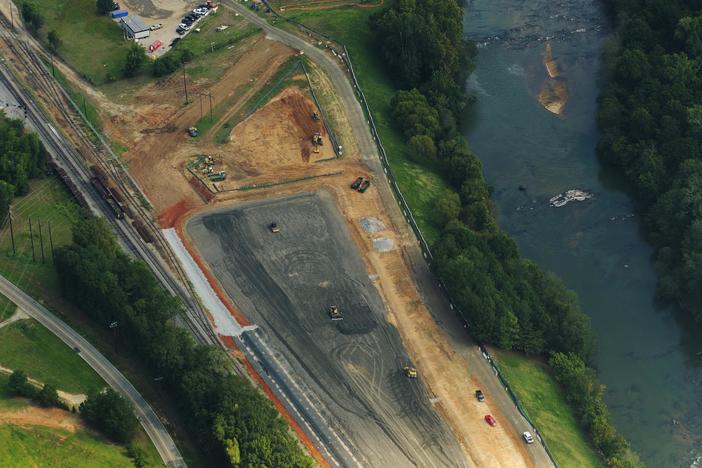
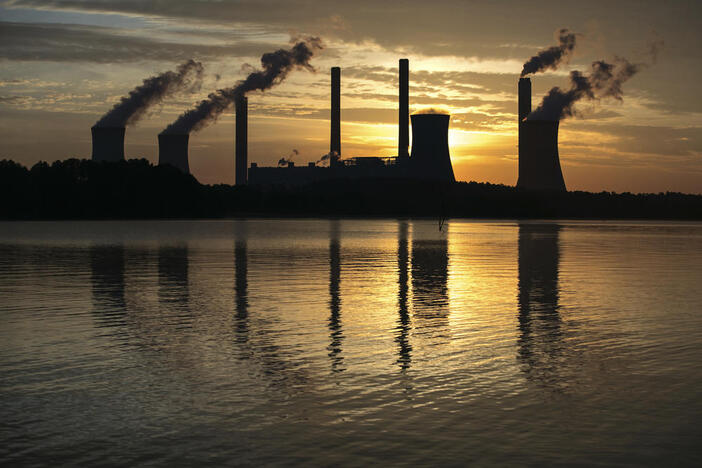
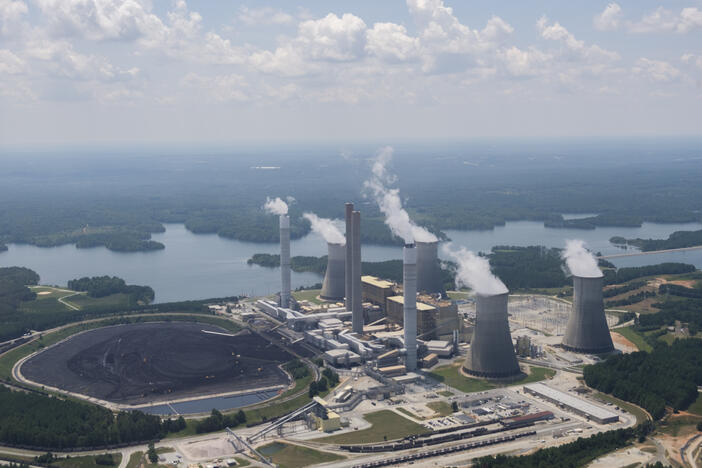
The Environmental Protection Agency has proposed a rollback of some rules around the management of so-called coal ash, the toxic material left after burning coal to generate electricity.
After years of polluting by the water industry, a report planned for release in the coming days could lead to tightened regulation while also prompting an expensive modernization drive.
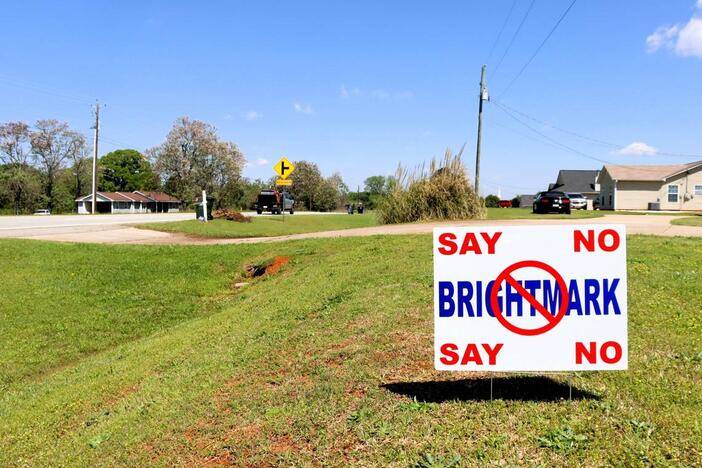
Agriculture is Georgia’s top industry, and broilers are the state’s top farm product. But the mess that large-scale poultry farming causes can create tensions between residents and corporate owners.
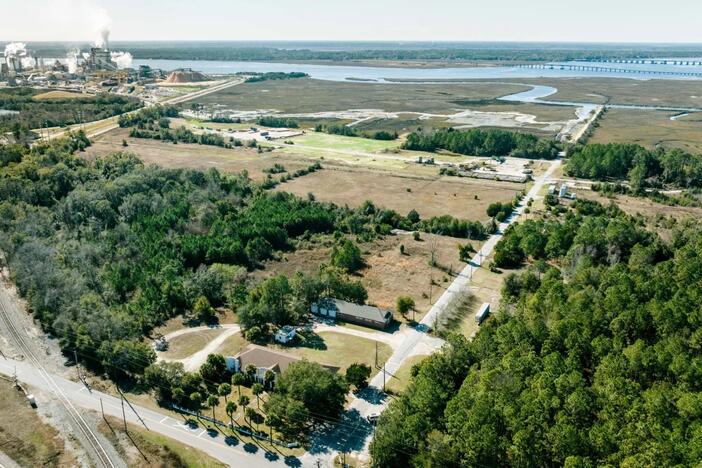
A report from Emory University scientists shows some people in the Coastal Georgia city have been exposed to toxic chemicals left over from Superfund sites.
The Chattahoochee Riverkeeper considers Fulton County pollution drama as a reason to sound the alarm over the now-uncertain future of the U.S. Geological Survey’s South Atlantic Water Science Center in Norcross.
The latest plans for upgrades to the city’s century-old water infrastructure include new technology. Last year's water main breaks made system repairs a priority.
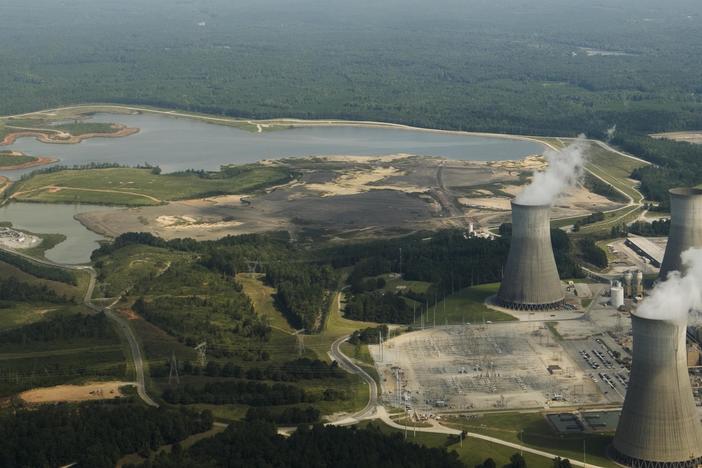
The Environmental Protection Agency is rolling back dozens of rules, programs and grants — a handful of which will alter regulations for Georgia’s coal-fired power plants.
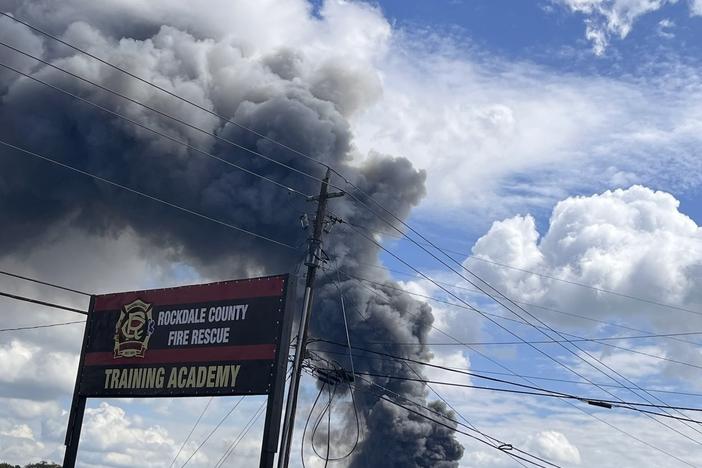
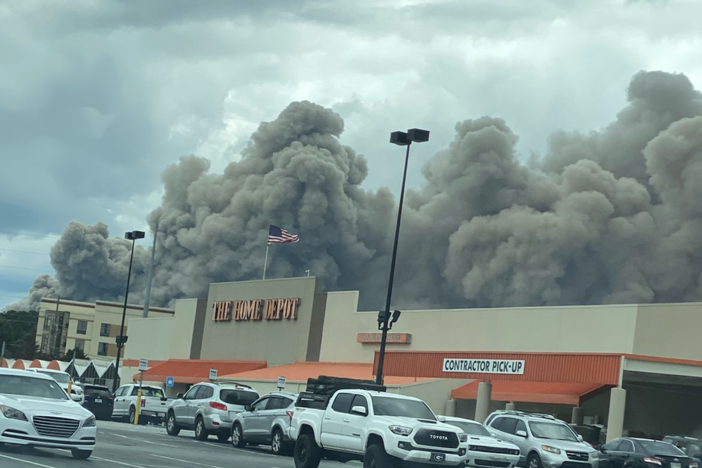
Nearly two months after a massive chemical fire at BioLab’s Conyers plant forced evacuations and raised environmental and health concerns, new details are emerging.
The Georgia Emergency Management Agency is warning that winds could shift and people in much of Atlanta could still see haze and smell chlorine by Thursday morning. The poor air quality effects come from a chemical reaction Sunday at BioLab, a pool supply manufacturing plant in Conyers.
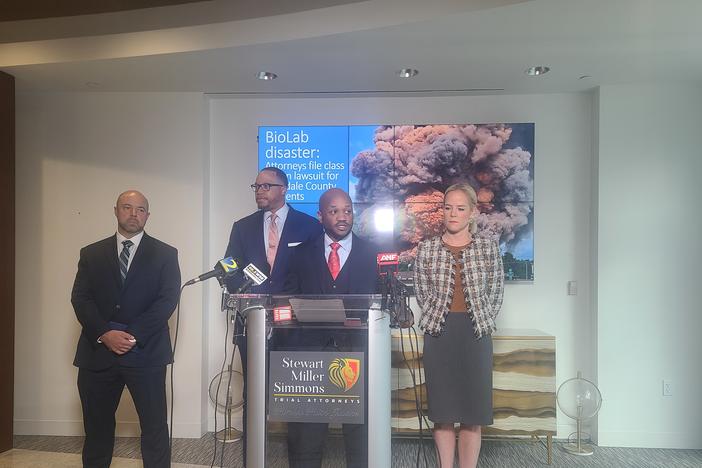
A group of attorneys in Atlanta are filing a class action lawsuit against the company responsible for a fire and subsequent chlorine chemical plume in Conyers.