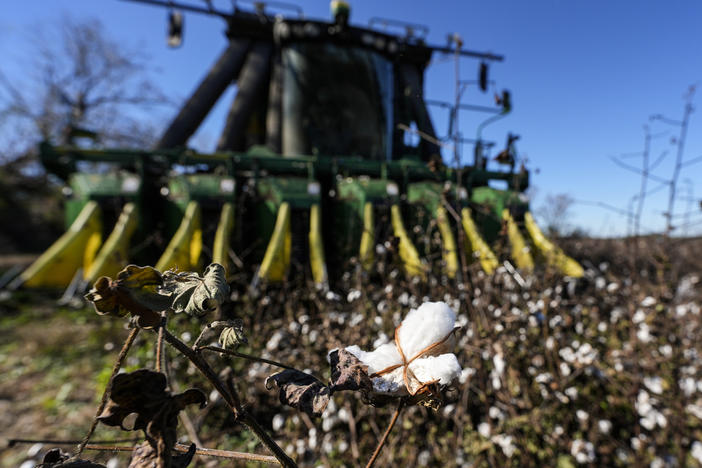
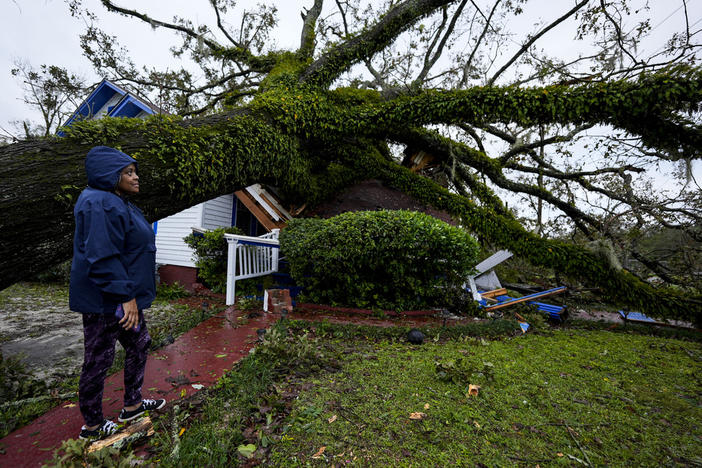
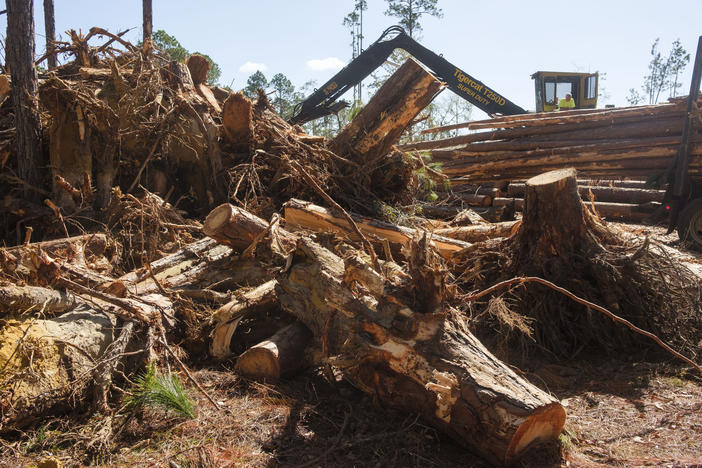
U.S. Agriculture Secretary Brooke Rollins has pledged to start paying out tens of billions in aid to victims of Hurricane Helene later this month. But delays are already making it hard this year for some farmers to plant crops.
On the Friday, Jan. 24 edition of Georgia Today: President Trump orders the release of classified documents related to the assassination of Martin Luther King Jr:; more than 100 dogs are on the road to recovery after being seized from a South Georgia puppy mill; and Gov. Kemp asks state lawmakers to approve millions of dollars in Hurricane Helene relief aid.
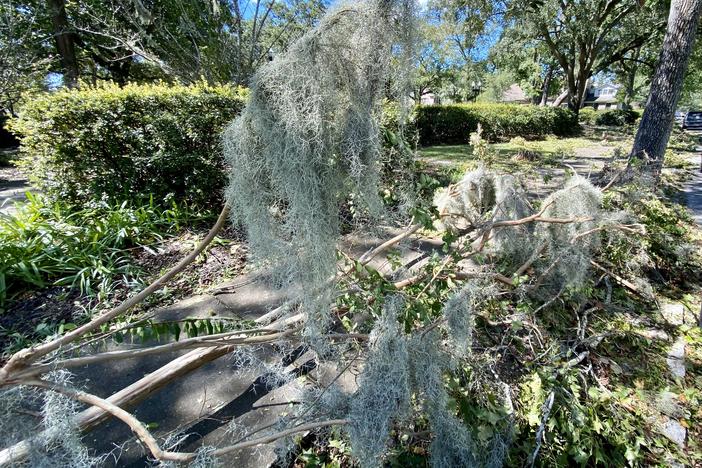
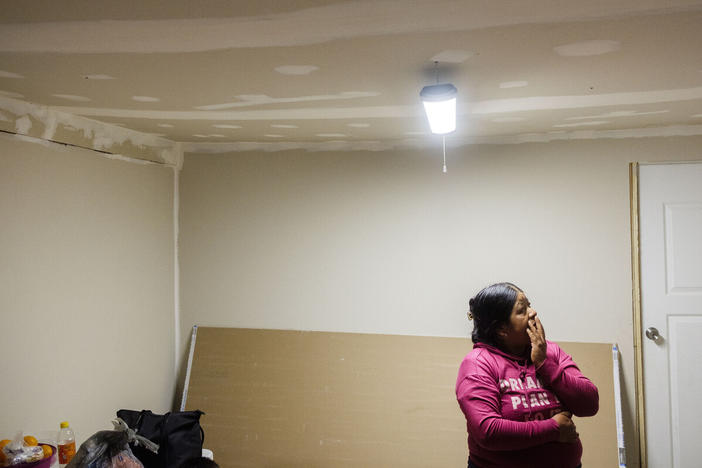
It will take years before farms hit hard by Hurricane Helene can recover. That devastation extends to communities of immigrant farm workers, who have largely been left out of storm relief programs.
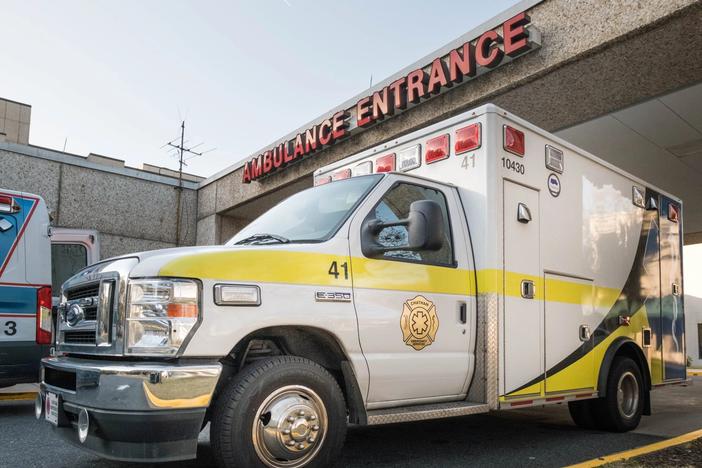
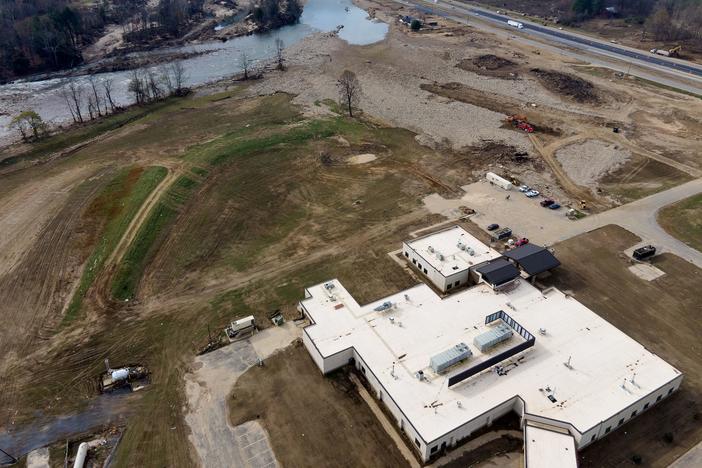
The helicopter evacuation of 70 people from a Tennessee hospital during Hurricane Helene is considered a success story. The building was destroyed by floodwaters, but no one died. In hindsight, why was it built next to a river?
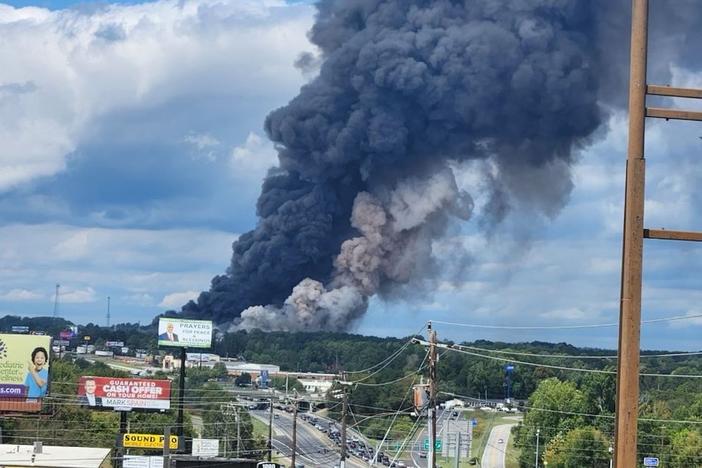
In recent weeks, Ossoff and Warnock have worked on questioning the BioLab Conyers CEO for answers on the plan to address safety concerns, introducing legislation to improve oversight in the foster care system, delivering funding to hire more school counselors in schools to support students' mental wellbeing, and provide clean energy upgrades to Georgia's ports.
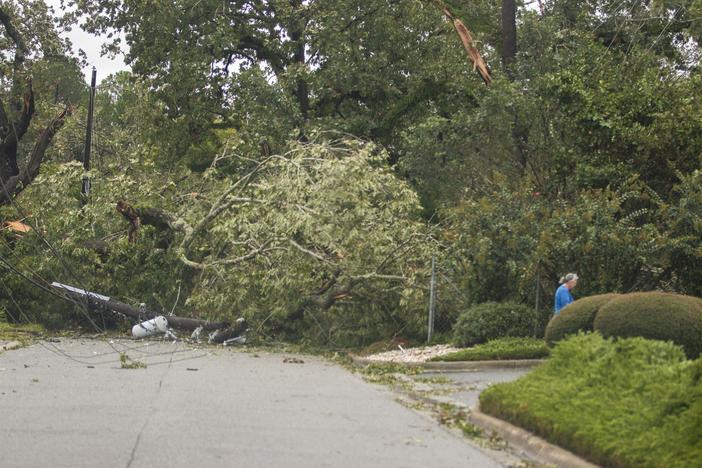
Today on Legislative Huddle: Morning Edition host Pamela Kirkland talks to Lawmakers' Donna Lowry about Hurricane Helene's devastating impact on Georgia, and what lawmakers are doing to provide relief to their neighbors.
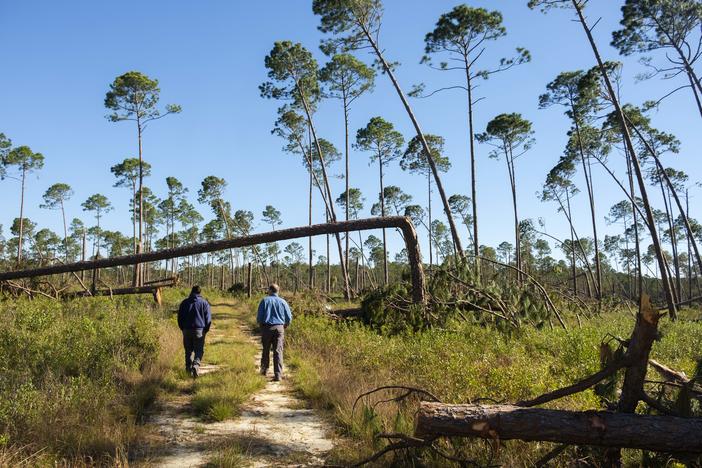
The Southern landscape now experiencing the effects of climate change has already seen centuries of loss of wild places due to human industry. Now, climate-change-strengthened storms threaten the pockets of older Southern ecologies that remain.
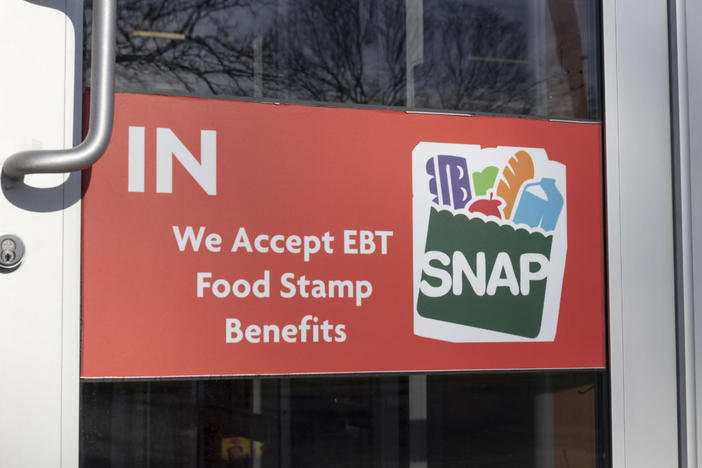
People in communities damaged by recent hurricanes have an opportunity to get extra food assistance through adjustments made to the Supplemental Nutrition Assistance Program and other temporary federal programs. But there are some hard deadlines to apply for help.