Yemen is an ancient birthplace of the coffee trade, and immigrants fleeing its civil war have brought their culture here in the form of cafes. Hundreds of Yemeni coffee shops have opened in the U.S.
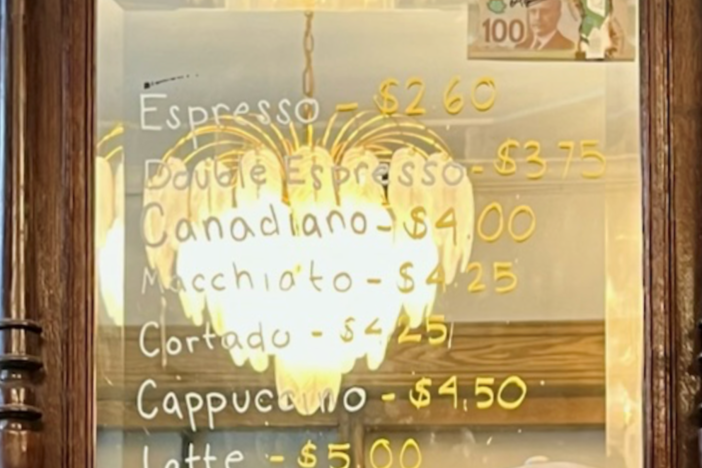
Canadians fed up with tariff threats and suggestions of Canada becoming the 51st state are now calling Americano coffee drinks "Canadianos." NPR's Scott Simon explains.
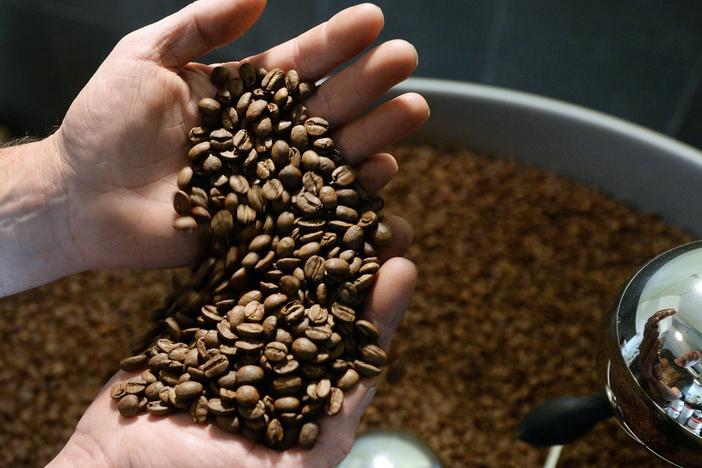
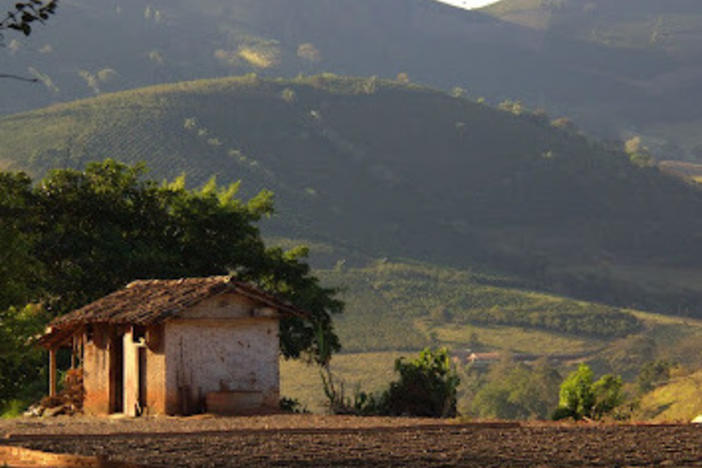
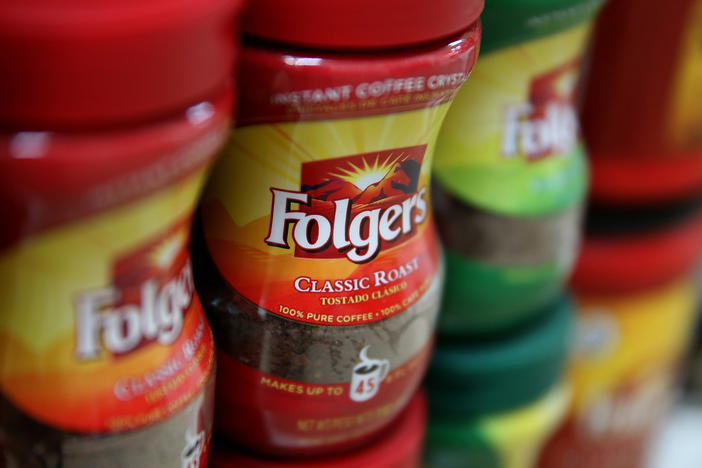
Droughts in top coffee-growing countries have shrunk the supply of beans. Supermarket brands like Nescafé and Folgers have already raised prices — but the world keeps drinking more and more coffee.
Across social media, headlines this week said that single use coffee pods may be more climate friendly than other ways of making coffee. That may not be the case, based on the science.
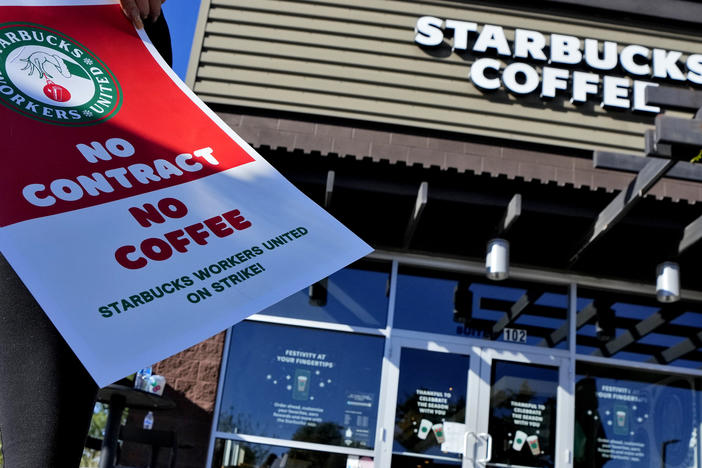
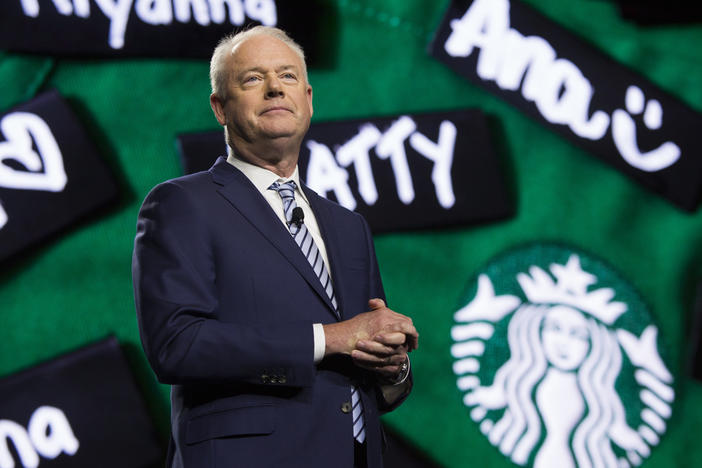
On the day of its annual shareholder meeting, Starbucks announced its CEO Kevin Johnson is retiring, effective April 4. Howard Schultz, who led the company for two decades, will return as interim CEO.
As part of the company's goal to reduce waste by 50% by 2030, customers will be able to bring a reusable cup to get their drinks by the end of next year.
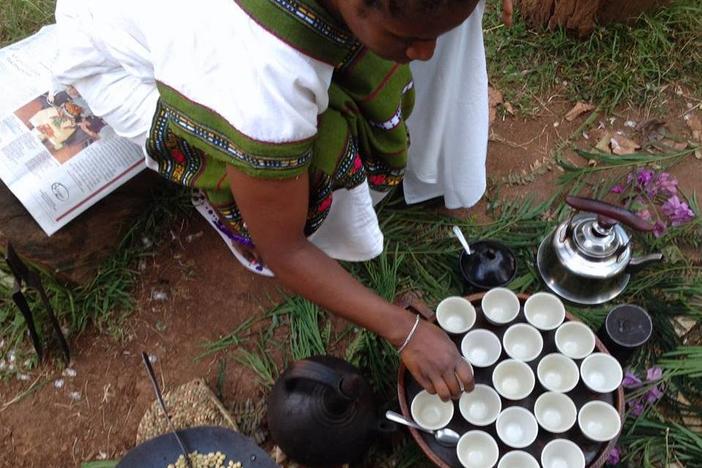
America owes its favorite beverage to East Africa, says a Memphis coffee shop owner whose trip to Ethiopia transformed his understanding of the beverage.
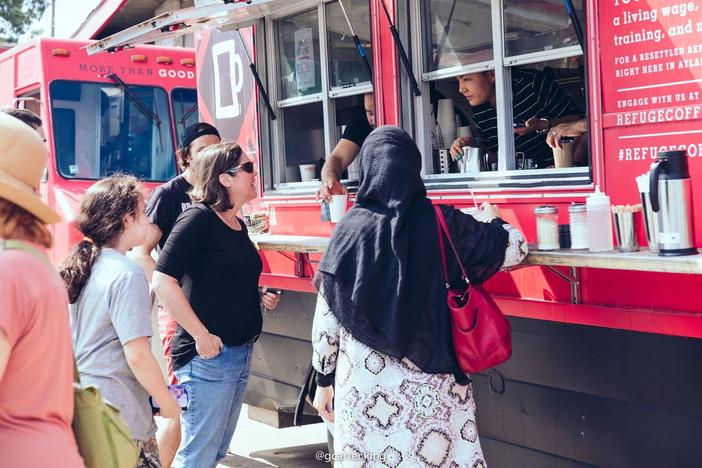
When Kitti Murray and her husband Bill moved to Clarkston, Georgia, she never expected she’d be running a coffee shop that doubles as job training for...
Atlanta’s professional soccer team has come a long way fast. Atlanta United took to the field for the first time in March 2017. Now it draws in tens of...