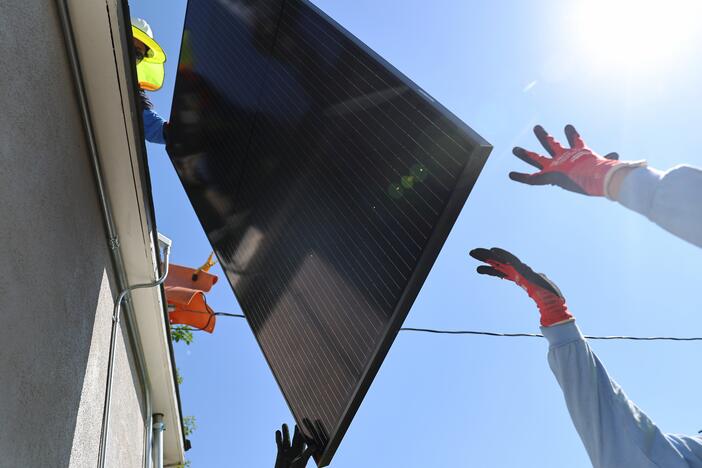
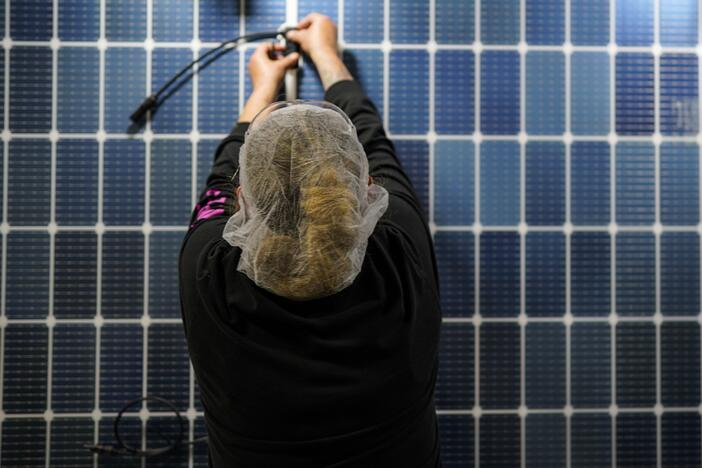
Federal tax credits for rooftop solar, heat pumps and other energy-efficient technologies are going away at the end of the year. Here's what consumers should know.
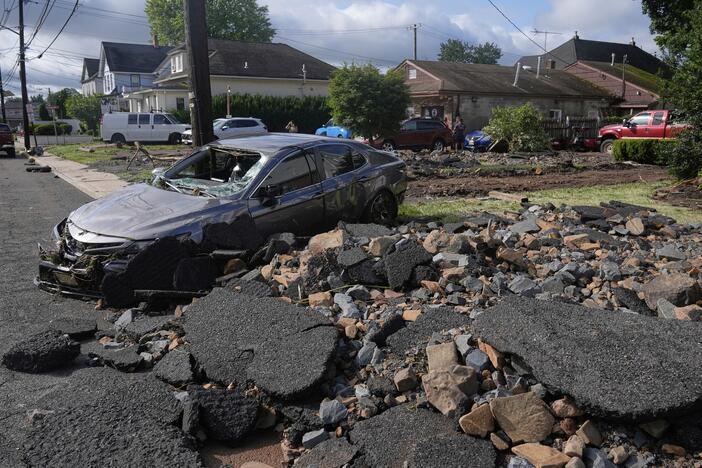
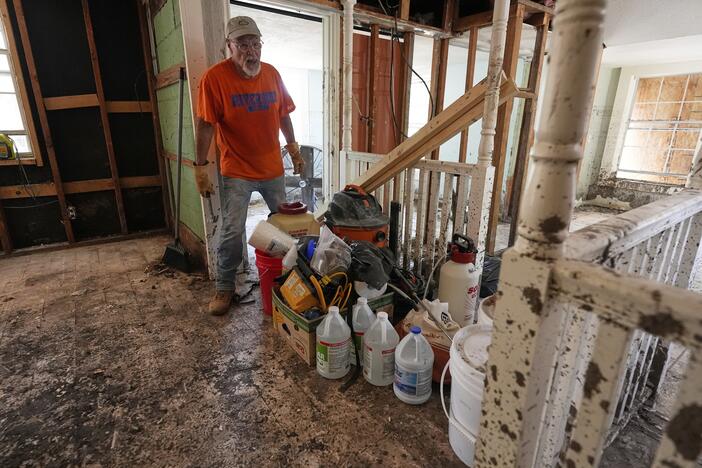
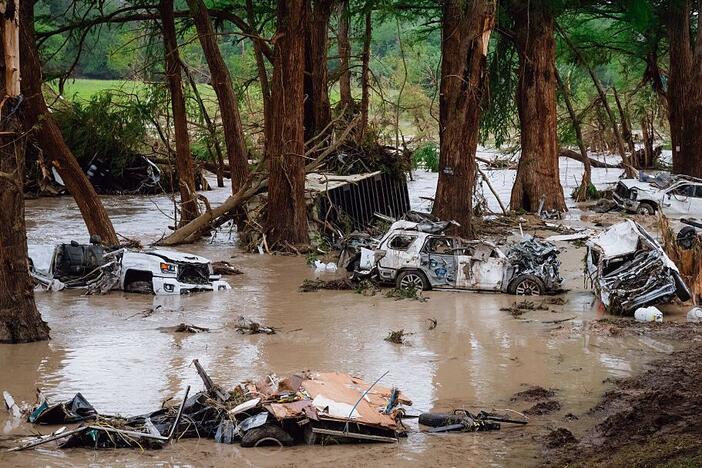
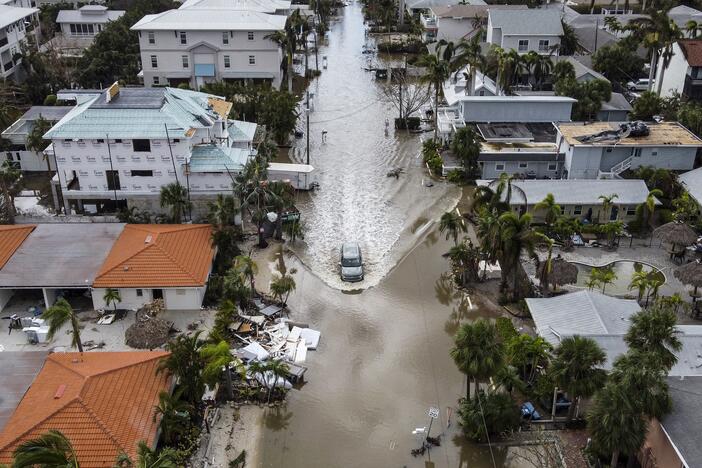
New York, North Carolina, New Mexico and Texas have all suffered serious flooding this month. Climate change is causing even more rain to fall during the heaviest storms.
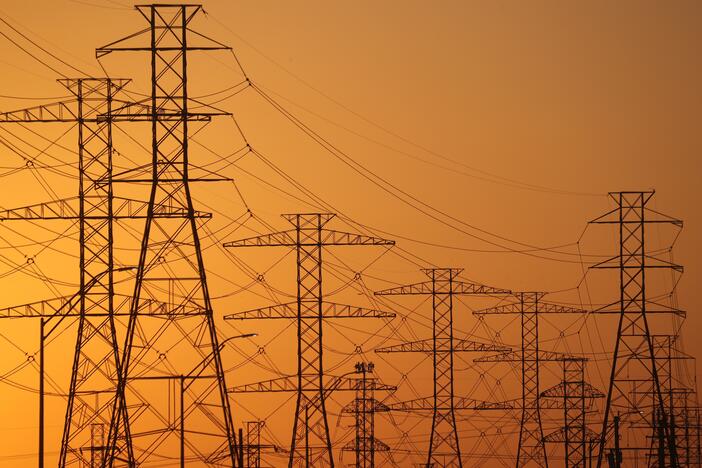
In states without policies to drive renewable energy, power prices could surge as federal tax incentives for clean energy disappear, according to Energy Innovation, a think tank.
Many people in the United States receive little or no information about flood risk when they move into a new home or apartment. Here's how you can learn about your flood risk.
Kerr County applied for federal grants to build a warning system to protect residents from flash floods. Under the Trump administration, that kind of funding is drying up.
The governor and top emergency official in Texas are both members of a council advising the Trump administration on options for eliminating the Federal Emergency Management Agency.
Hurricane forecasters and scientists rely on weather data collected and processed by Department of Defense satellites. The Navy has decided to stop sharing the data.
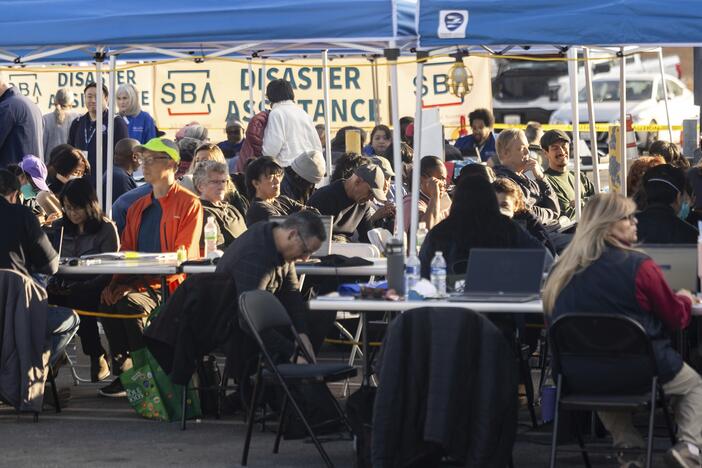
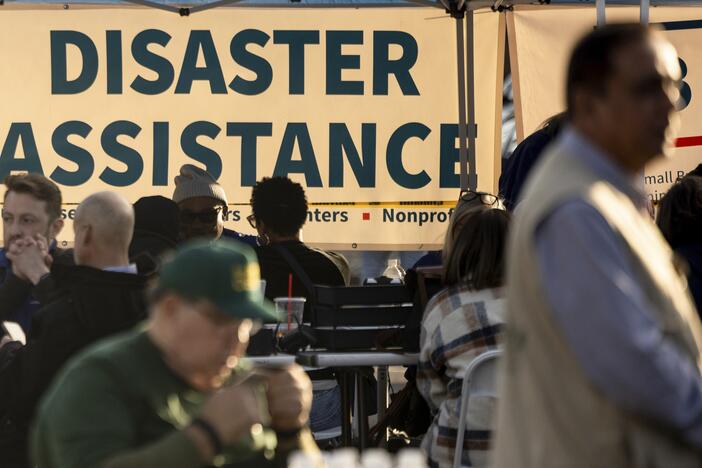
Every year, millions of Americans rely on FEMA assistance after hurricanes, wildfires, tornadoes and other disasters. The president says state governments should do more.
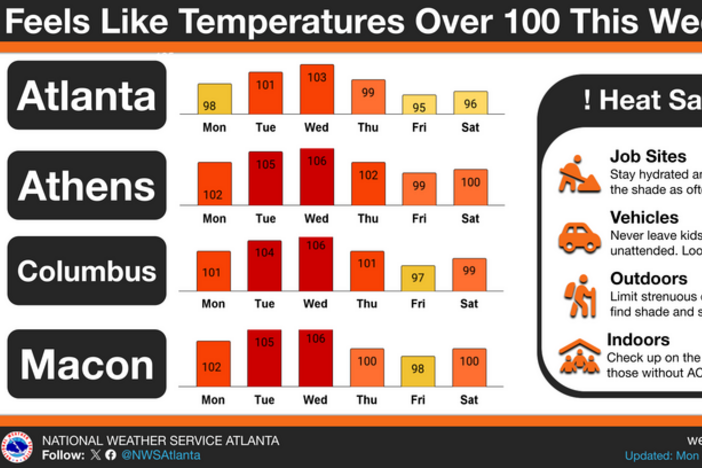
While the heat index could go above 100 degrees in many parts of Georgia, the National Weather Service has issued a Hazardous Weather Outlook for North and Central Georgia.
Jeremy Greenberg was in charge of coordinating federal help after hurricanes, wildfires, earthquakes and other emergencies. He has resigned from leading FEMA's National Response Coordination Center.
Deconstruction is a growing approach to taking down homes that diverts waste from landfills, cuts carbon emissions and creates a circular economy for construction materials.