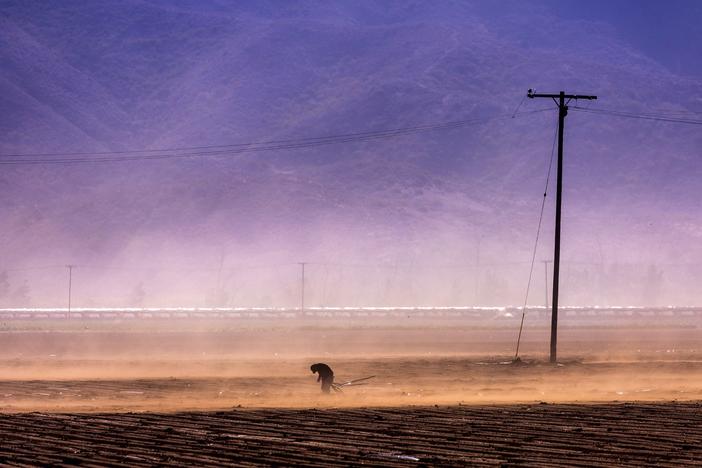
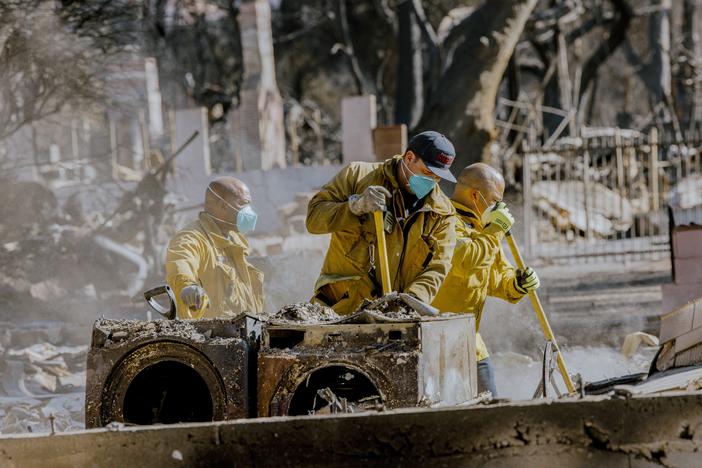
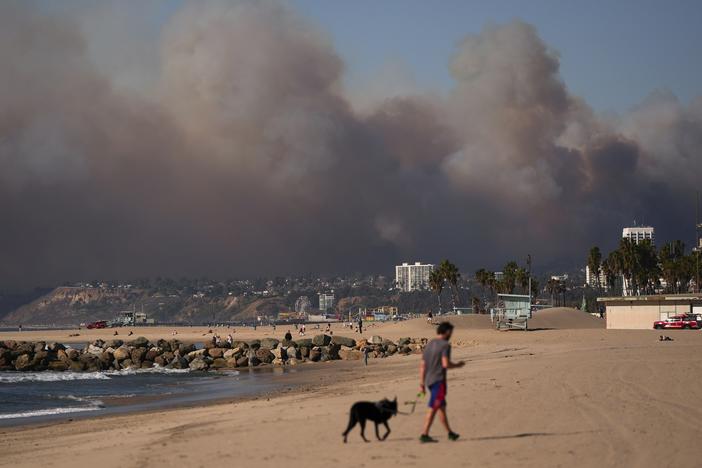
Thousands of farmworkers labored in fields in Ventura County, Calif. in late January in wildfire smoke. They have little to no protection from its harmful effects.
As hazy air from fires out West wafts across the country, some people are at higher risk of health problems, including children, older people and those with lung conditions. Here's how to stay safe.
Centers for Disease Control studies increased asthma-related ER visits by 17% nationwide during 19 of the smokiest days. On the worst air quality day in New York state, those visits spiked 82%.
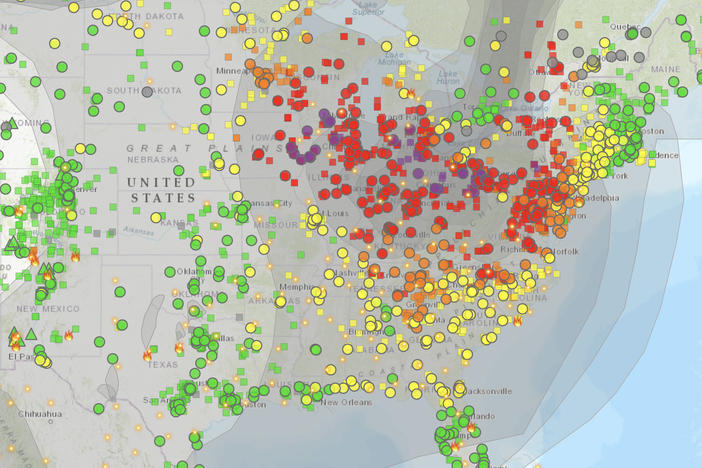
In Madison, Wis., the air quality was measured at 242 Thursday morning— a "very unhealthy" purple alert rating that many other communities shared, particularly in the Midwest.
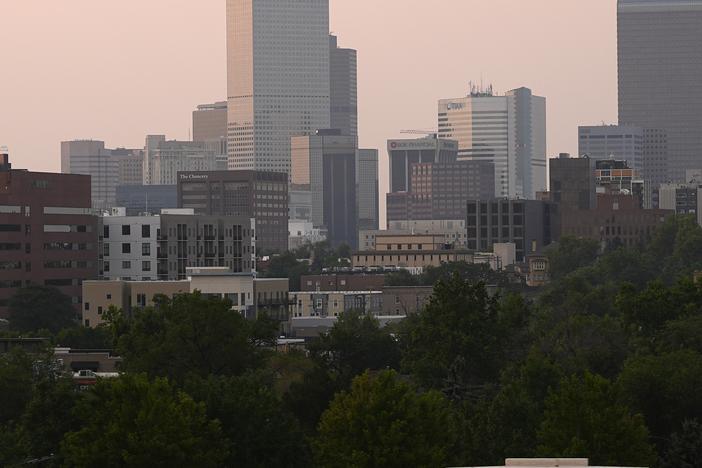
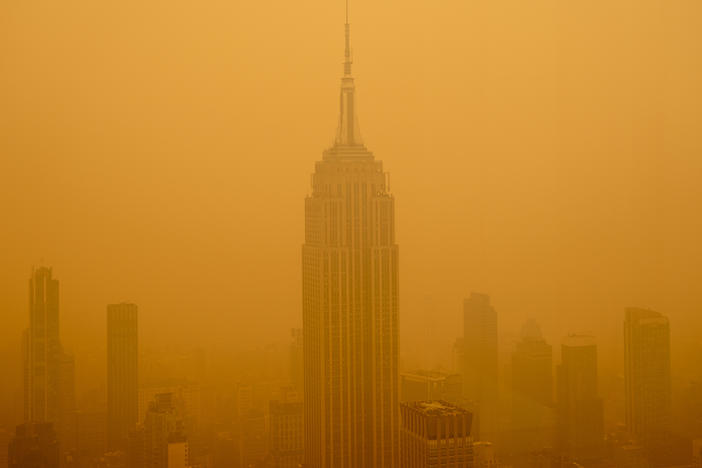
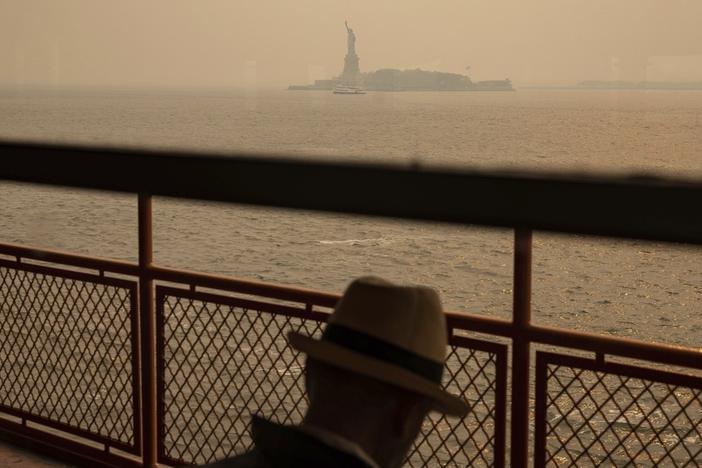
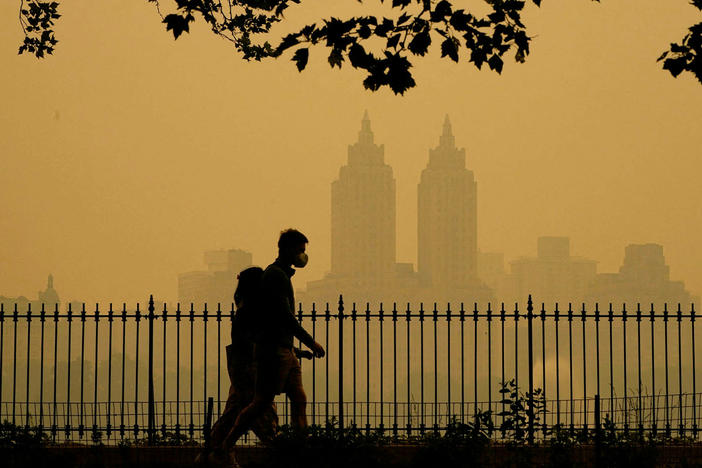
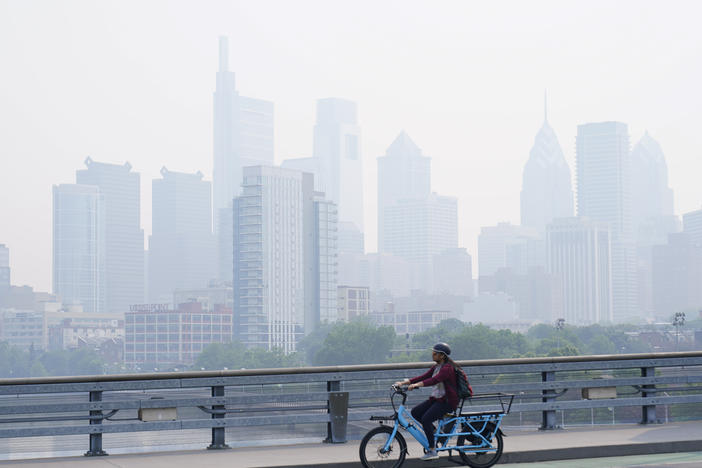
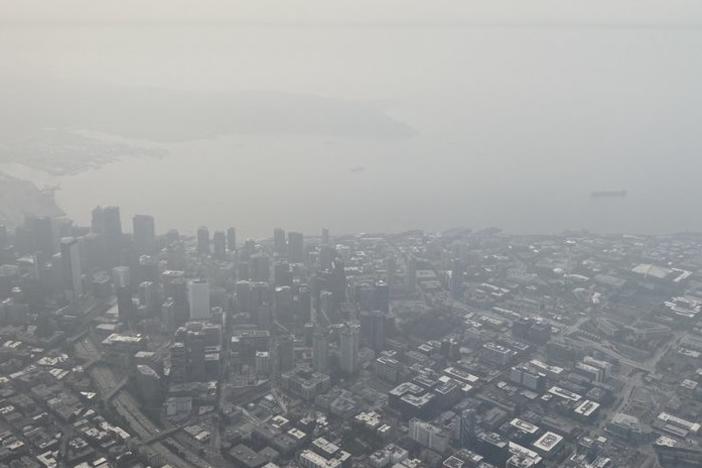
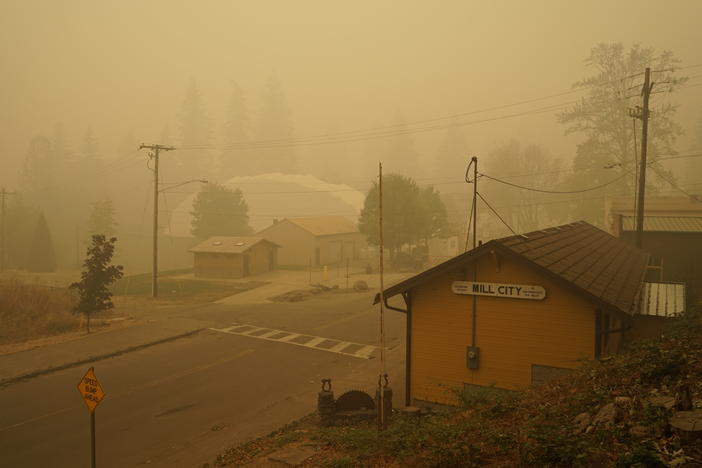
Much of the Northeast U.S. is blanketed in a murky haze of wildfire smoke. For most people breathing this air is unpleasant, for others it can be life-threatening. There are ways to reduce the risk.
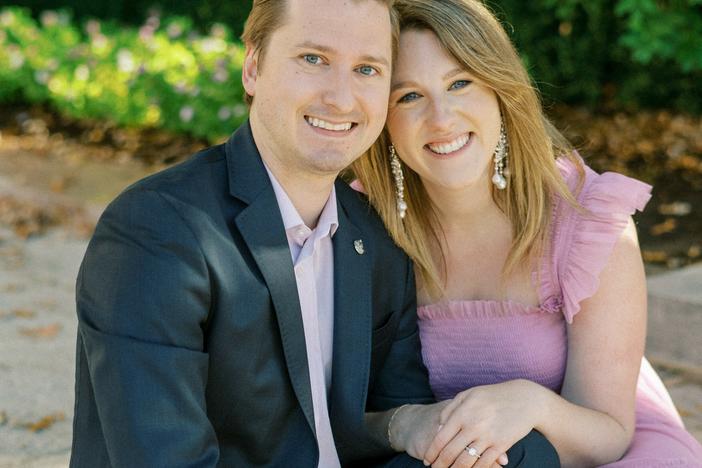
Christina Lamoureux planned a perfect wedding. Now she is among the unlucky set of soon-to-be married couples frantically making contingency plans as clouds of polluted air linger over their nuptials.
The natural climate pattern known as El Niño has officially begun. It exacerbates human-caused climate change, driving even hotter temperatures and other dangerous weather.
Millions of Americans are under air quality alerts as wildfires burn in Canada. Experts say the weather pattern could change by early next week, and stress the need to take precautions until then.
In Southern California, pollutants from wildfire smoke caused up to a 10% increase in hospital admissions. Researchers say there's a need for better air monitoring and public health programs.
Scientists know that tiny particles from smoke can be inhaled deep into a person's lungs and even enter the bloodstream. But the long-term health effects of this are not fully understood.