The presidents of the National Education Association and American Federation of Teachers say the political climate has added to age-old money problems for teachers, such as underfunded schools.
As a generation of teachers retire and their burned-out younger colleagues quit sooner, complaining about the workload and the pay, public schools have struggled to keep their classrooms staffed.
Georgia public schools were short 5,300 teachers as of December, an ongoing problem state lawmakers have been unable to fix. They have a new proposed solution, but it would take awhile to put in place: let more retired teachers return to the classroom with both pay and pensions.
While lawmakers and public school leaders in the Peach State are working to resolve teacher shortages, recent data from the Georgia Professional Standards Commission suggests unethical behavior among educators is an issue on the rise.
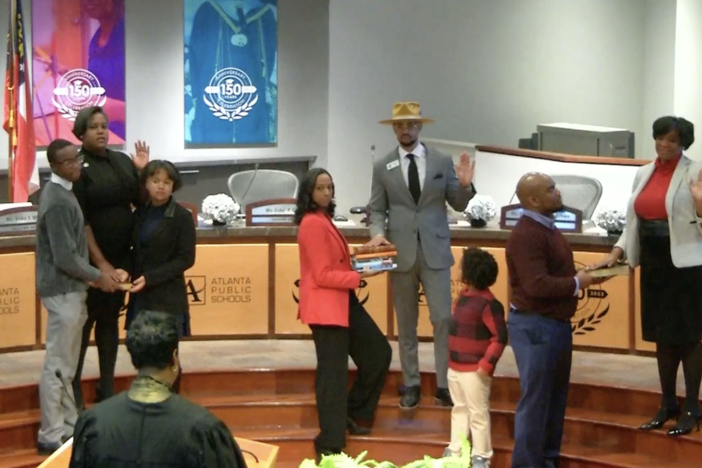
On Jan. 8, 2024, Alfred “Shivy” Brooks was sworn in as the first active teacher elected to the Atlanta Board of Education (ABOE) in Atlanta Public Schools’ 150-year history. Before 2023, a teacher couldn’t serve on the board regardless of where they taught. But now, Brooks, an economics teacher at Charles Drew High School in Clayton County with 13 years of teaching experience, is the District 7 At-Large member.
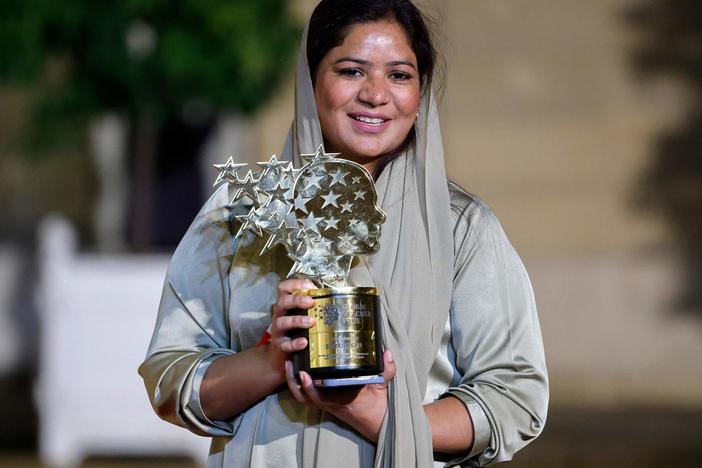
The Pakistani educator has won the largest annual prize for teachers from the Varkey Foundation. She says her teaching reflects her belief that "Love is the language that everybody can understand."
Republican Lt. Gov. Burt Jones says he wants the state to spend more money on school safety, including paying for teachers to take firearms training, and paying teachers who hold a firearms training certificate an annual stipend.
Three school years after classrooms shut their doors in March 2020 following the initial outbreak of COVID-19, Georgia students remain behind in phonics compared to kids in other states. But the data also shows some good news.
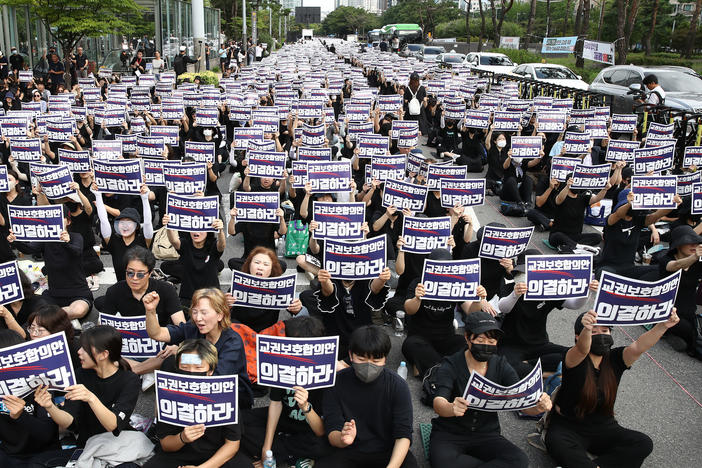
Many South Korean teachers say they have suffered from parents' harassment and excessive demands. This summer, they came out to the streets voicing anger and demanding protection for their rights.
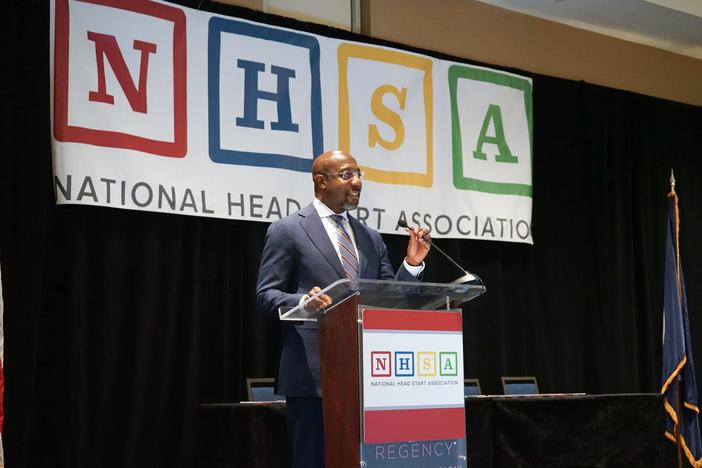
Georgia's U.S. Sen. Raphael Warnock introduced new legislation on Monday to boost the child care workforce by increasing access to early Head Start programs nationwide.
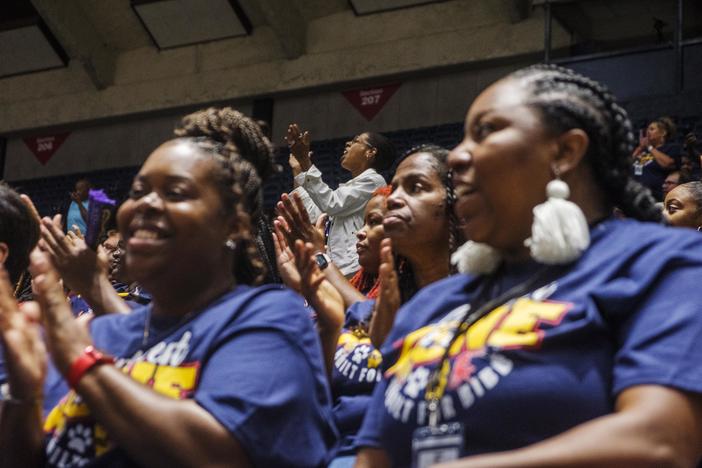
Educators in Bibb County got a professional jolt during the system's convocation ceremony Tuesday, a mashup of a pep rally and a church style call to action.
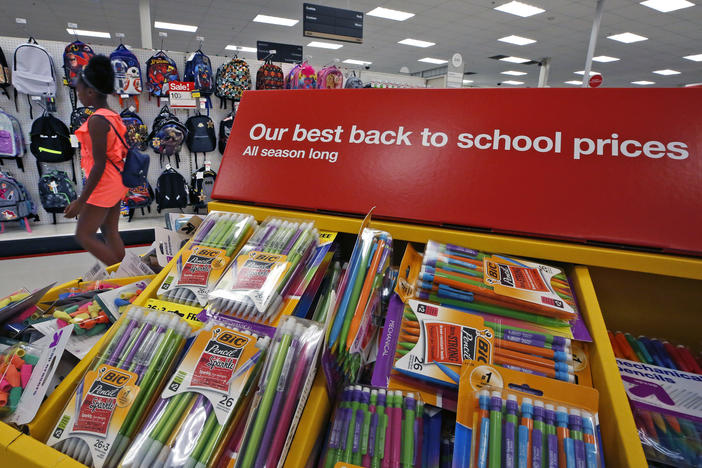
Spending on back-to-school supplies is predicted to decline this year, for the first time since 2014. With inflation top of mind, parents and teachers are looking for ways to save money.