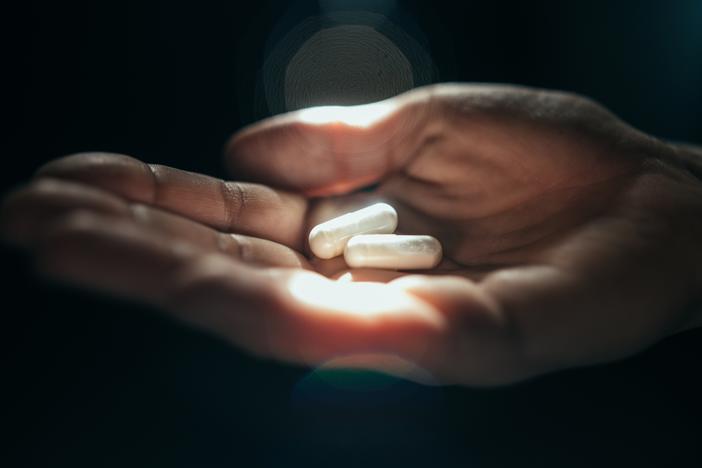
Longevity researchers are taking a generic drug they think may help extend people's lives. Now a dentist is testing if rapamycin stops gum disease — a canary in the coal mine for age-related diseases.
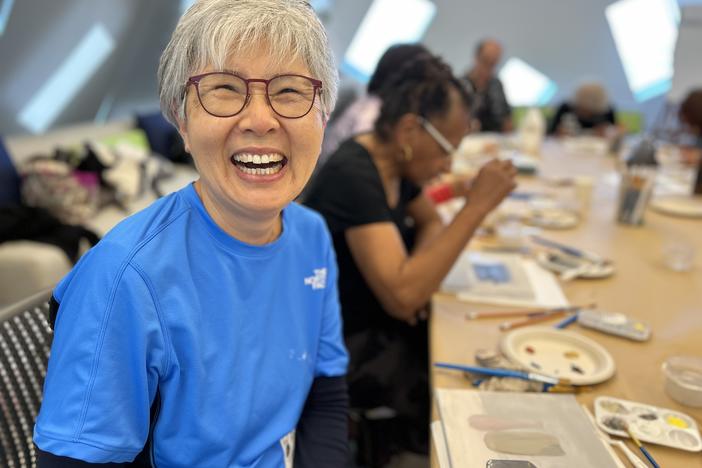
A center started by Wallis Annenberg in the Koreatown neighborhood of Los Angeles is creating a sense of community for older people who aim to keep learning and growing as they age.
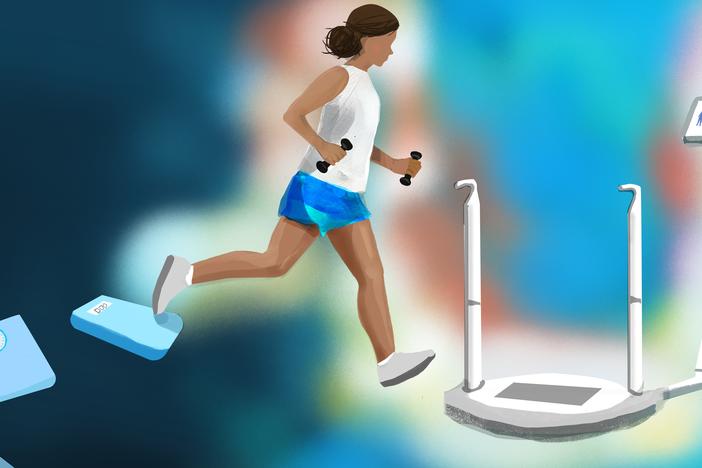
If you dread getting on a scale to calculate your body mass index, there’s a good reason to ignore the measure. Body composition tests are an increasingly popular way to gauge health. Here’s why they're better than BMI.
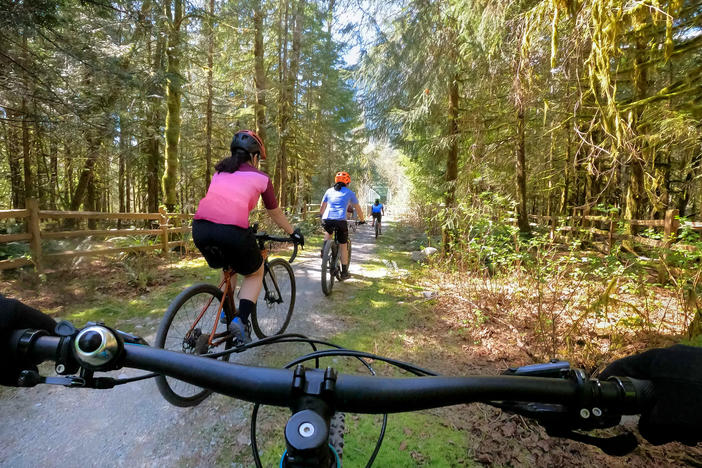
New research shows lifelong bikers have healthier knees, less pain and a longer lifespan, compared to people who've never biked. This adds to the evidence that cycling promotes healthy aging.
A new study shows people who are in the habit of climbing stairs are less likely to die from heart disease compared to those who don't. Stair climbers also had a slight boost in longevity.
Researchers have found that a warm, close bond with a sibling in early adult life is predictive of good emotional health later in life, with less loneliness, anxiety and depression.
Thousands of years ago, there was a ceremony to bind close friends together as sworn siblings. Could the practice be resurrected today to strengthen modern friendships? Two women did just that.
Studies suggest people who take metformin for diabetes may be at lower risk for cancer, heart disease and dementia. Now researchers aim to test if it prevents age-related diseases in healthy people.
Our sun was born in a cosmic cradle with thousands of other stars. Astrophysicists say they want to find these siblings in order to help answer the question: Are we alone out there?
More than 25 million adults in the U.S. have tinnitus, a condition that causes ringing or buzzing in the ears. An FDA approved device that stimulates the tongue, helped 84% of people who tried it.
A new happiness report finds sharp declines in well-being among adolescents and young adults in the U.S. But the picture is better for people aged 60 and older, marking a striking generational divide.
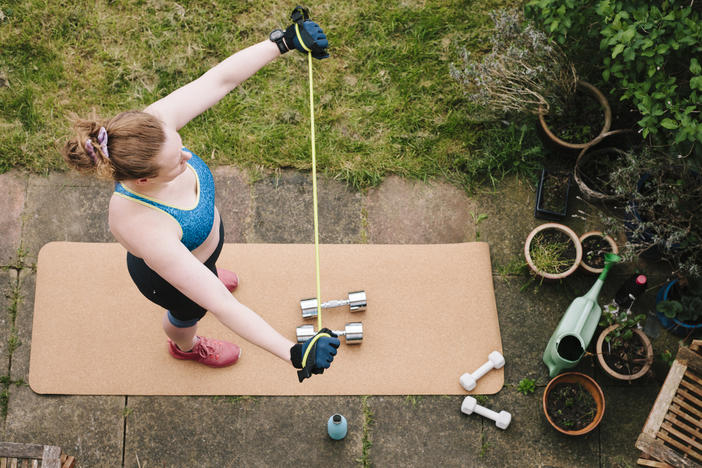
Strength training is good for everyone. But women who train regularly, reduce their risk of death from heart disease significantly. And here are 5 other hidden benefits of building muscle.
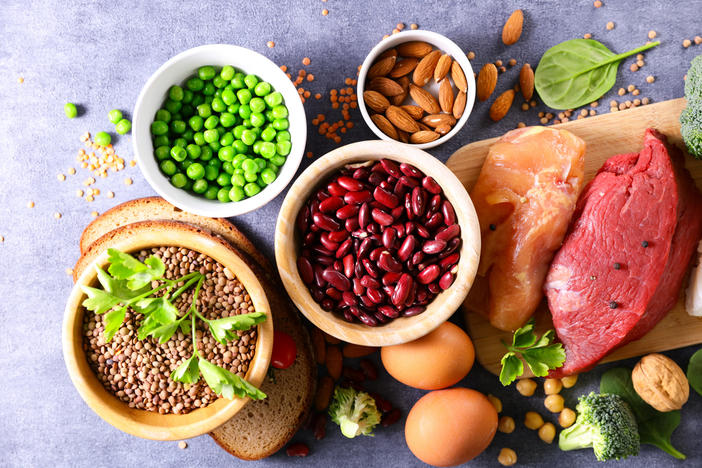
A new study finds swapping half of your typical red meat intake for plant protein, reduces your diet-related carbon footprint by 25% and may also your boost lifespan.
What do you eat to support muscle strength? NPR is reporting on diet and strength-building and we'd love to hear your suggestions for protein-rich snacks and meals.