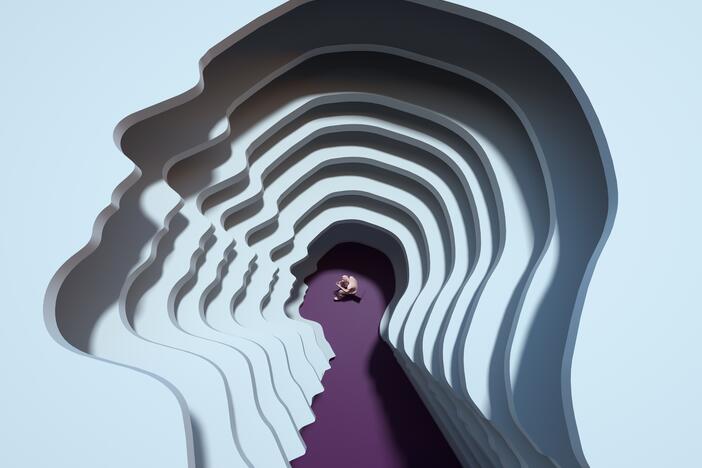
After a bad breakup, writer Melissa Febos decided to abstain from sex and dating for a year. She didn't realize how much it would change her life. She tells her story in a new book, The Dry Season.
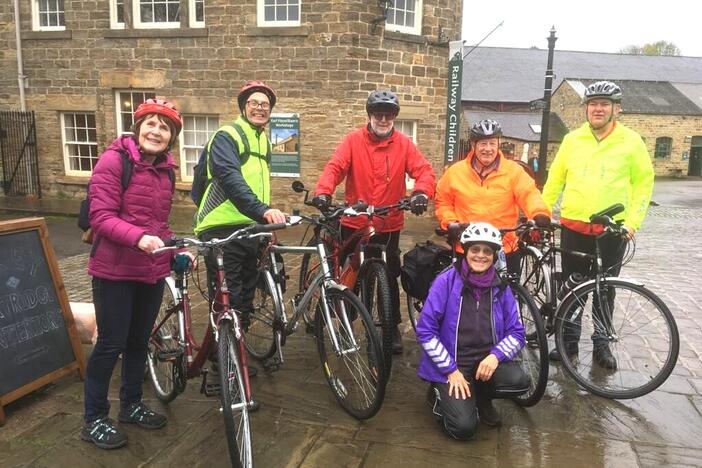
Doctors are writing "social prescriptions" to get people engaged with nature, art, movement and volunteering. Research shows it can help with mental health, chronic disease and dementia.
The symptoms can include nerve pain, emotional numbness and sexual dysfunction and can last for years after stopping the drugs. Patients are pushing for recognition and more research.
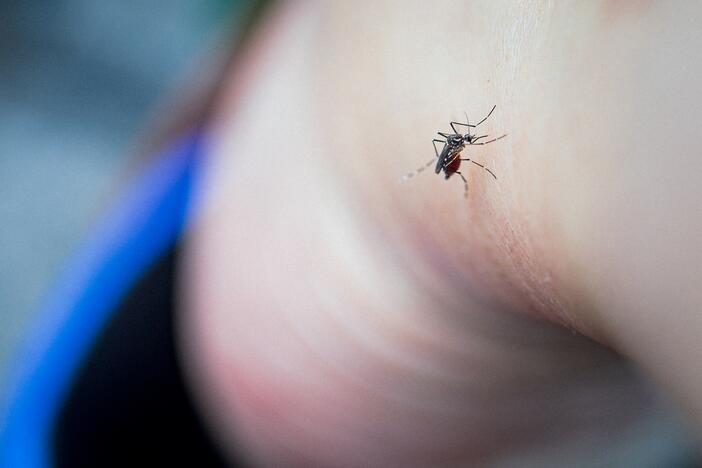
Level up your knowledge of mosquito bite prevention with our quiz. It's full of surprising, science-backed tactics that may save you from getting eaten alive this summer.
Health Secretary RFK Jr. has said vegetable oils, like canola and soybean, are "poisoning Americans." But many researchers say the evidence isn't there. So, what does the science say about seed oils?
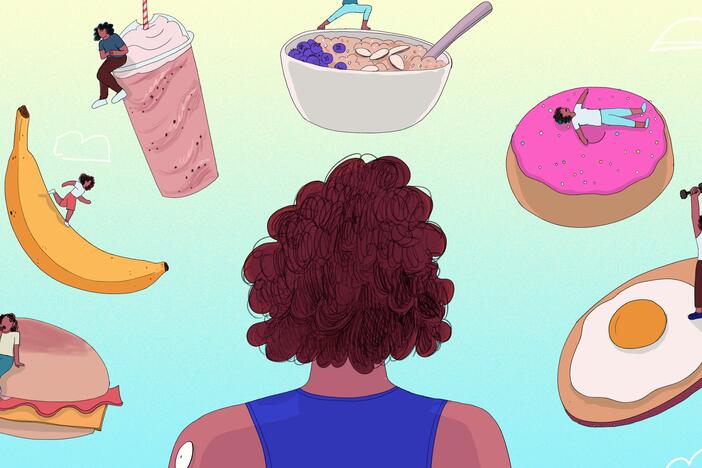
After a meal, some people experience high spikes in blood sugar followed by crashing lows. This can cause fatigue, anxiety and trigger overeating. Learning how to manage your blood sugar can help.
After years of litigation following the Dobbs decision, the Wisconsin Supreme Court justices, with their liberal majority, ruled that the state's 176-year-old law does not ban abortion in the state.
People who get cancer say their friends often disappear when they hear the bad news. Don't be that person! Here's advice for what to do and say — and what not to say — when a loved one faces cancer.
Your pelvic floor supports organs like your bladder, bowels and reproductive system. Strengthen it with exercises and mantras (like "squeeze before you sneeze") from physical therapist Sara Reardon.
Journalist Carter Sherman says that members of Gen Z are having less sex than previous generations — due in part to the political and social climate. Her new book is The Second Coming.
While some compounding pharmacies have stopped making alternatives to Wegovy and Zepbound since shortages were declared over, others are continuing and pushing regulatory boundaries.
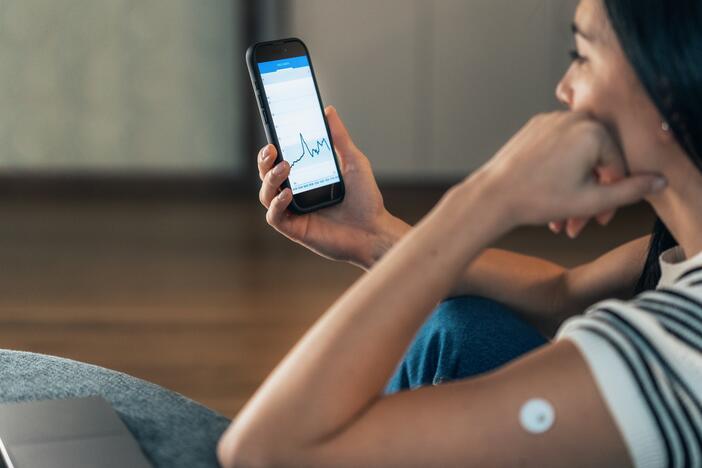
A continuous glucose monitor is a small device that sticks to your arm. Every few minutes it sends a signal to your phone estimating your blood sugar levels. But can it improve your health?