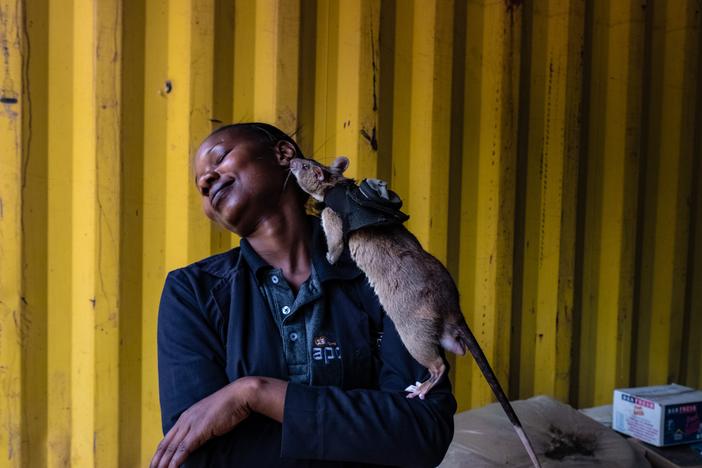
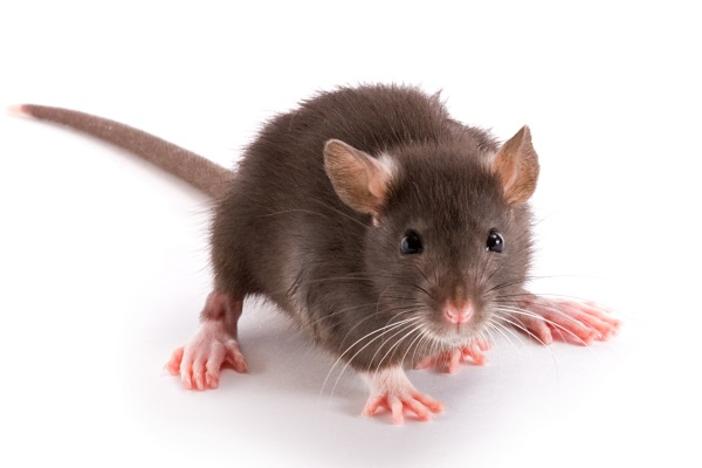
African giant pouched rats use their acute sense of smell to sniff out landmines and detect TB in sputum samples. Now, they are set to become search-and-rescue specialists too.
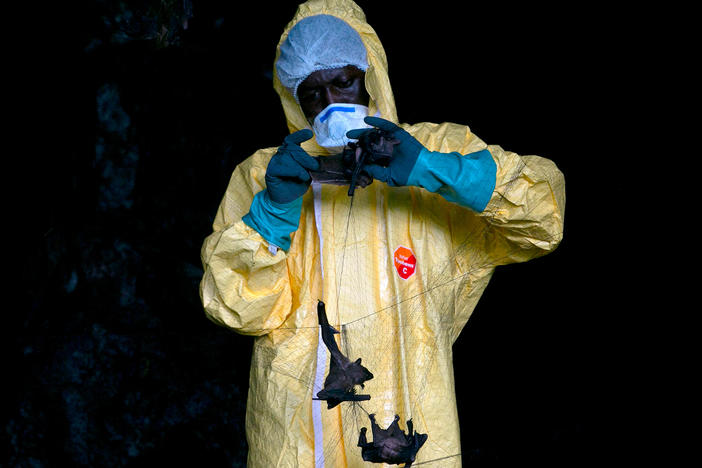
Researchers worry another coronavirus will spill over from a bat or some other creature. They're hunting for sources — and finding evidence that a new pandemic could be around the corner.
The African crested rat's fuzzy fur has hairs loaded with a poison that can purportedly fell an elephant. But these rats turn out to be social, affectionate creatures.
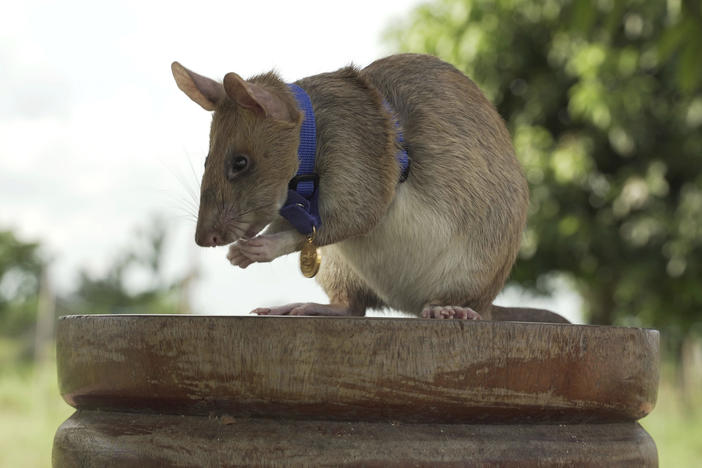
In the last four years, the rat named Magawa has helped to clear over 1.5 million square feet of land. The animal has detected dozens of land mines in Cambodia and is believed to have saved lives.
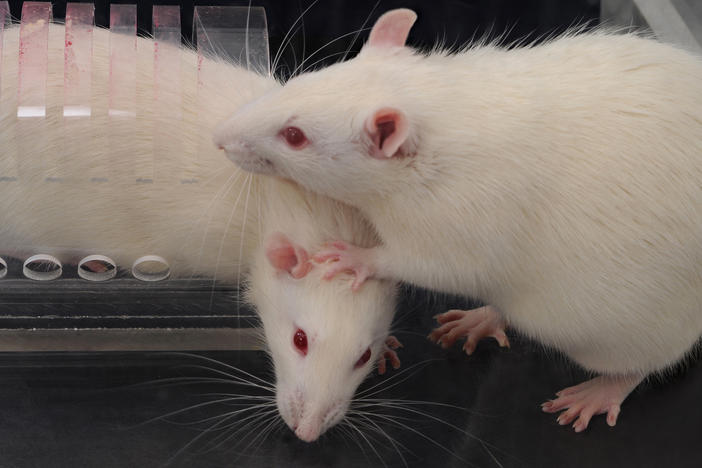
Experiments in people have long shown that the presence of indifferent bystanders hurts the chances that someone will help a stranger in an emergency. Rats, it turns out, behave the same way.
Good news: breast cancer death rates dropped by nearly 40 percent in the last three decades. Breast cancer is the second most common cancer diagnosis...