The USDA has set a deadline of July 30 for states to hand over the sensitive data of tens of millions of people who applied for federal food assistance, while a lawsuit is trying to stop the collection.
The DNA data of millions of people who used 23andMe's services won't be sold to a pharmaceutical company. A bankruptcy judge greenlighted the sale of the remnants of the firm, including its wealth of genetic data, to a nonprofit led by co-founder Anne Wojcicki.
The Department of Homeland Security, with help from DOGE, has rolled out a tool that purports to be able to check the citizenship status of almost all Americans.
States hold troves of sensitive personal data that were previously never shared with the federal government or across federal agencies. The Trump administration is trying to change that.
One payment processor has so far signaled to states that it intends to turn over data about millions of Americans to the federal government even as privacy groups warn that the request is illegal.
Agencies from Social Security to the IRS store sensitive data on millions of Americans. Here's what the government knows about us – and what's at risk as DOGE seeks access to the data.
Apple isn't acknowledging wrongdoing in the settlement, which still must be approved by a U.S. District judge. Lawyers in the case have proposed scheduling a Feb. 14 court hearing to review the terms.
Industry Minister François-Philippe Champagne said the decision to dissolve TikTok of its Canadian business is meant to address risks perceived to be related to TikTok's Chinese parent company.
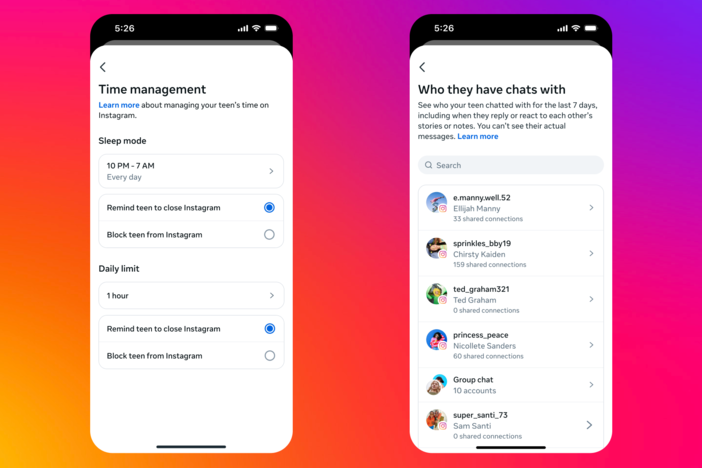
The social media app unveiled a new product for young users of the app that is intended to make the service safer for teenagers. The tools include making all teen accounts private and allowing parents to supervise activity.
Two years ago, the U.S. Supreme Court overturned Roe v. Wade, ending nearly 50 years of federally guaranteed abortion rights. This decision has led to a complex landscape of bans and restrictions across the United States, including in Georgia.
Abortion has become a central issue in the 2024 election, influencing voters from all sides. While the debate often centers on women's rights, Second gentleman Doug Emhoff believes it is also a crucial issue for men. In a recent interview with GPB’s Pamela Kirkland, Emhoff discussed the broader implications of this ruling and the importance of male advocacy for reproductive rights.
Starting April 30, Airbnb is prohibiting all indoor security cameras in its listings. Previously, it allowed indoor cameras in common areas that were disclosed prior to booking and visible to guests.
The update is the latest restriction Ring has made to police activity on its Neighbors app following concerns raised by privacy watchdogs about the company's relationship with police departments.
Monday on Political Rewind:A challenge to the state’s abortion law heads to court today. The trial starts as more than 800,000 Georgians have already cast ballots. Meanwhile, Sen. Lindsey Graham appeals to the Supreme Court to avoid testifying in the special grand jury investigating the 2020 election.