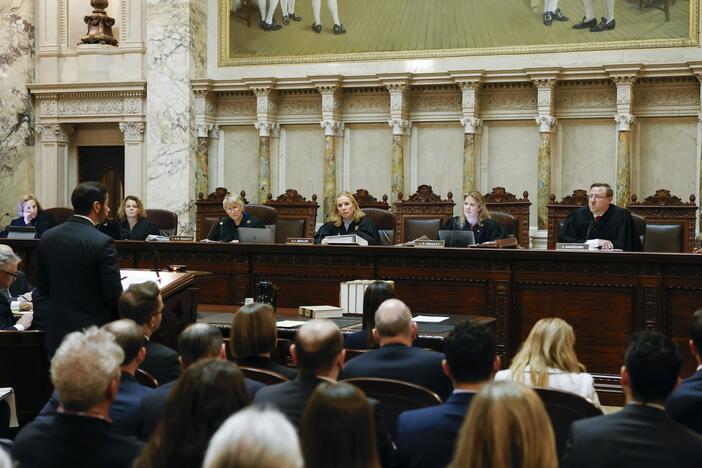
After years of litigation following the Dobbs decision, the Wisconsin Supreme Court justices, with their liberal majority, ruled that the state's 176-year-old law does not ban abortion in the state.
After expanding state Medicaid programs to cover people in the country without legal status, Democrats are considering changes that would reduce immigrant access.
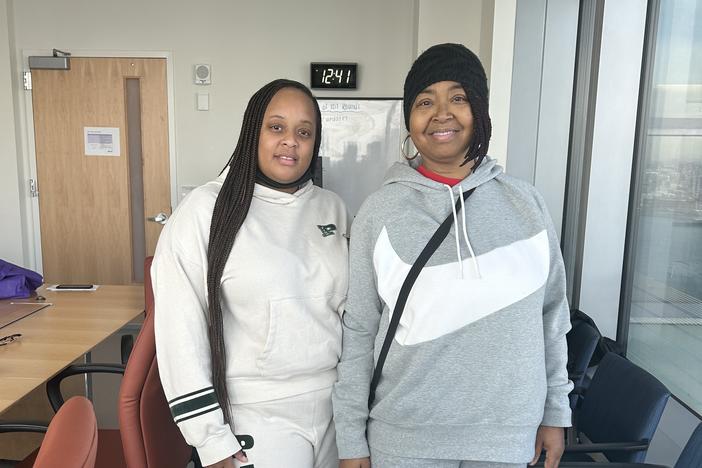
An Alabama grandmother who was the first patient to receive a new kind of genetically modified pig kidney more than two months ago is now the longest surviving recipient of a pig organ.
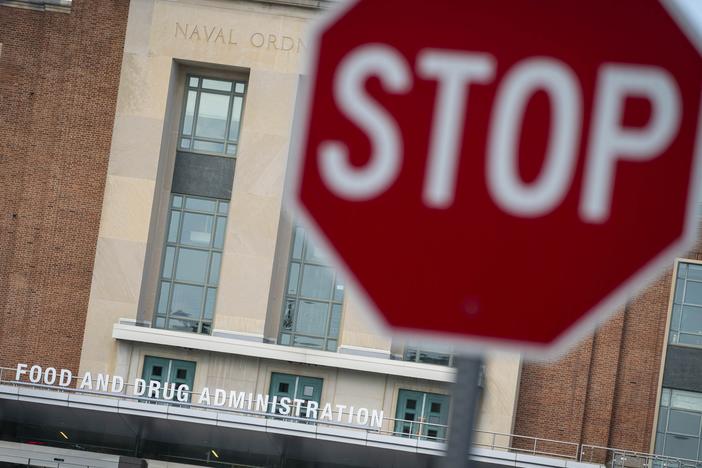
A Food and Drug Administration project to promote diversity in clinical studies of cancer treatments was removed from the agency's website, as the Trump administration halts DEI initiatives.
A team of Georgia Tech engineers developed a custom 3-D printed splint to support a newborn's airway, like an internal cast that dissolves as the trachea strengthens. Children’s Healthcare of Atlanta is one of only five hospitals in the nation offering this surgery.
Once called Nantucket fever, the tick-borne illness babesios is spreading from the Northeast into the Midwest. A clinical trial starts this month to see if an anti- malaria drug can treat the disease.
People with post-traumatic stress disorder (PTSD) may soon have a new treatment option: MDMA, the chemical found in ecstasy. In August, the Food and Drug Administration plans to decide whether MDMA-assisted therapy for PTSD will be approved for market based on years of research. But serious allegations of research misconduct may derail the approval timeline.
NPR science reporter Will Stone talks to host Emily Kwong about the clinical trials on MDMA-assisted therapy research and a recent report questioning the validity of the results.
With IT systems down, staff at Ascension have to use manual processes they left behind some 20 years ago. It's the latest in a string of attacks on health care systems that house private patient data.
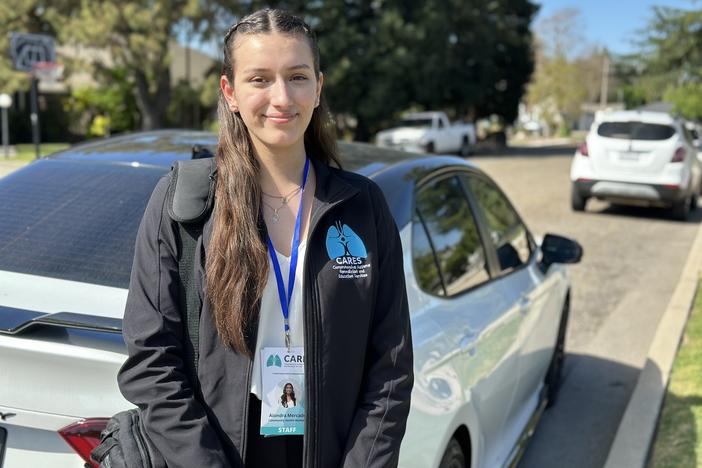
The state covers basic services for vulnerable residents, including things like air purifiers for kids with asthma. But nonprofits offering the services struggle to work within the health care system.