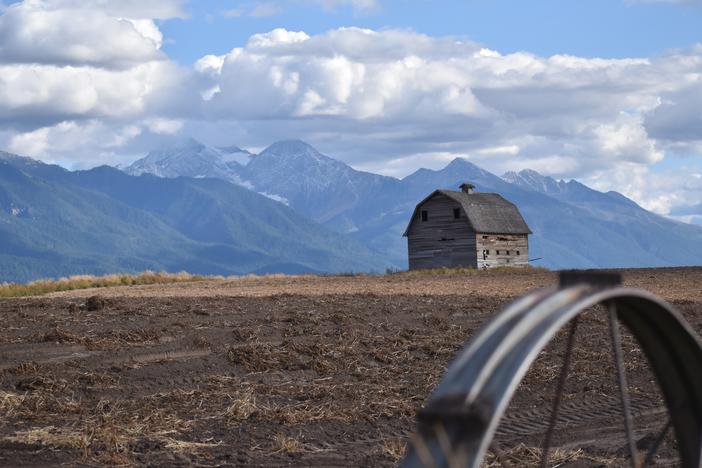
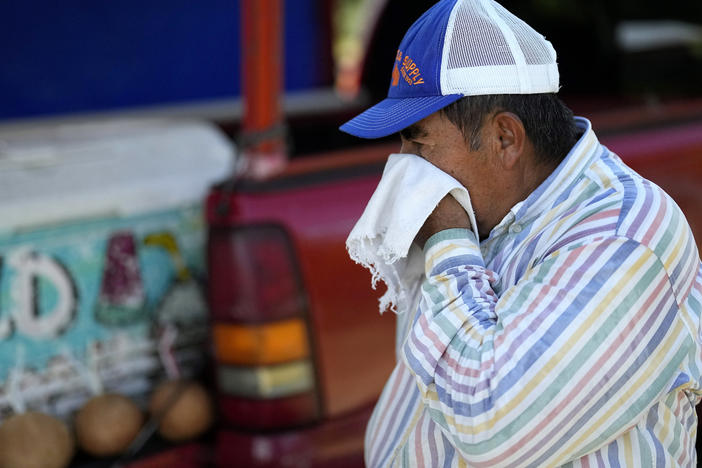
Researchers are helping Missoula county officials learn who’s calling 911 during heat waves. Rural callers are disproportionately affected, prompting emergency planners to rethink their approach.
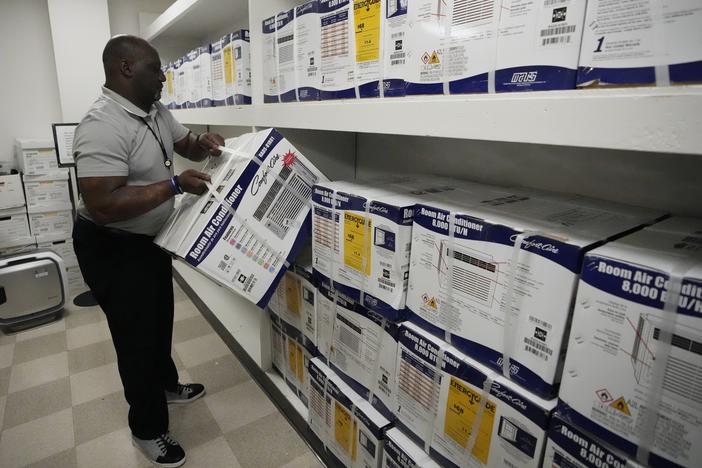
For decades, public housing providers could subsidize heating bills but not air-conditioning. New Biden administration guidance changes that, but critics say it doesn’t go far enough.
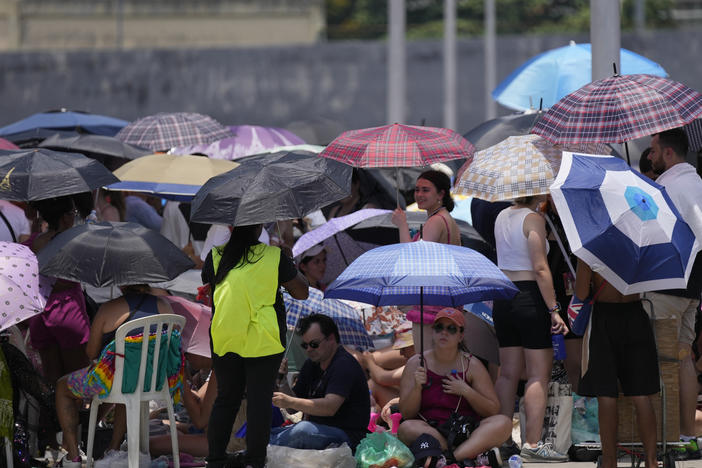
The concert in Rio de Janeiro took place during one of the worst heat waves ever in Brazil. The country is in the middle of a record-breaking six months of extreme weather.
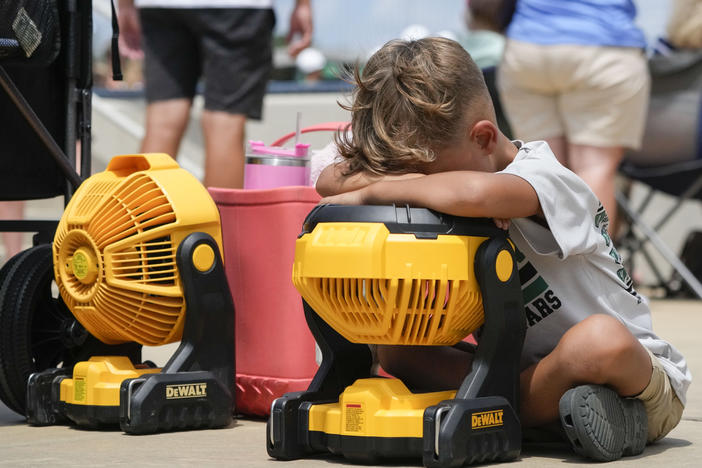
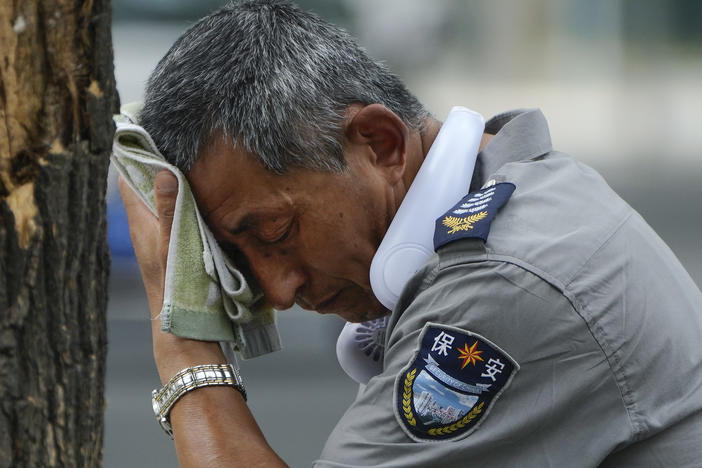
This summer has already been awfully hot in the southern Plains and the Gulf Coast. Now, a large portion of the U.S. will face a prolonged period of dangerous heat.
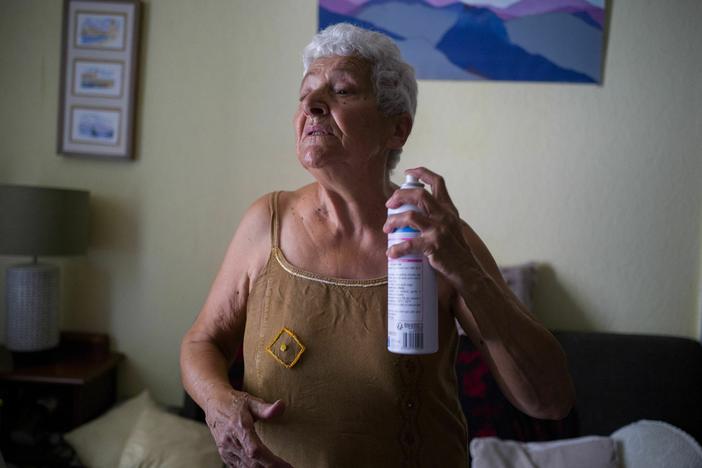
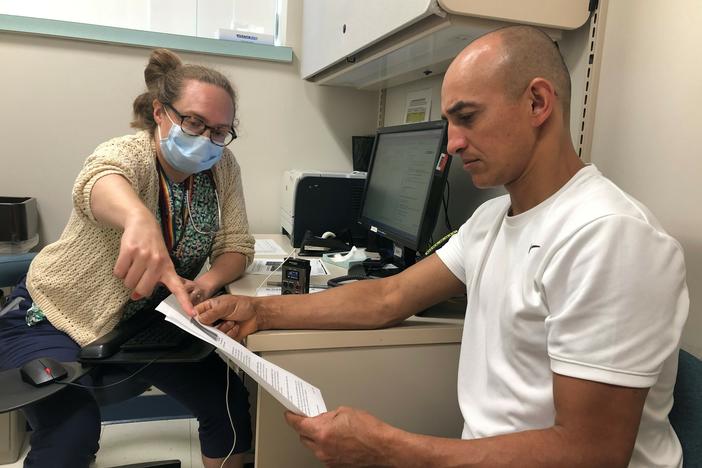
The medical dangers of heat are real. But people often ignore public heat alerts, or don't know how vulnerable they are. A new alert system prompts clinicians to talk about heat with patients.
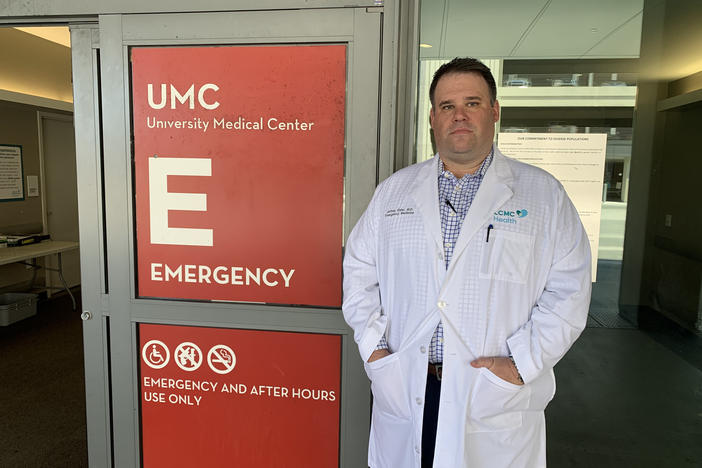
Like other places, New Orleans has seen record numbers of people falling ill with heat-related conditions. First responders and hospitals race to respond with ice, fluids, and air conditioning.
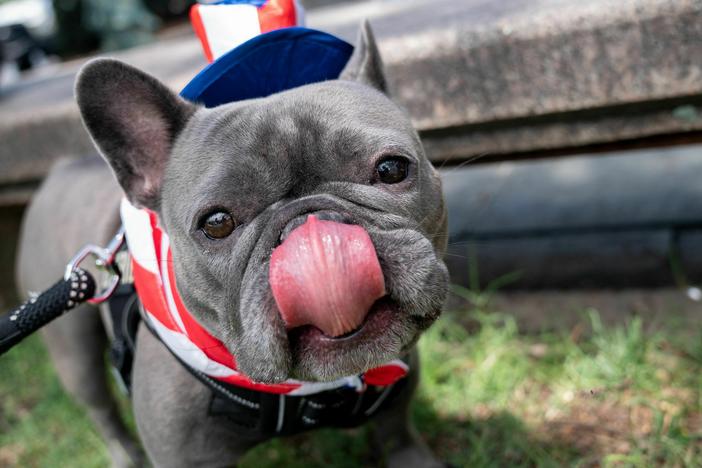
"If it's hot outside for you, it's most likely even hotter for your pet," one expert tells NPR. Here's how to protect your pet outdoors, keep them engaged inside and respond to signs of heat stroke.
Researchers estimate that 61,672 Europeans died from heat-related illness between late May and early September 2022. They're urging countries to step up their heat prevention and adaptation efforts.
The connection between weather and climate change has never been clearer. And simultaneous extremes, such as hot and dry weather together, are particularly dangerous.
Scientists and forecasters are trying to figure out how to talk about the connection between climate change and severe weather. It could have big impacts on how people think about global warming.