The break in the shutdown stalemate comes without the one thing most Democrats in Congress had been insisting on: protecting tax subsidies for health insurance under the Affordable Care Act.
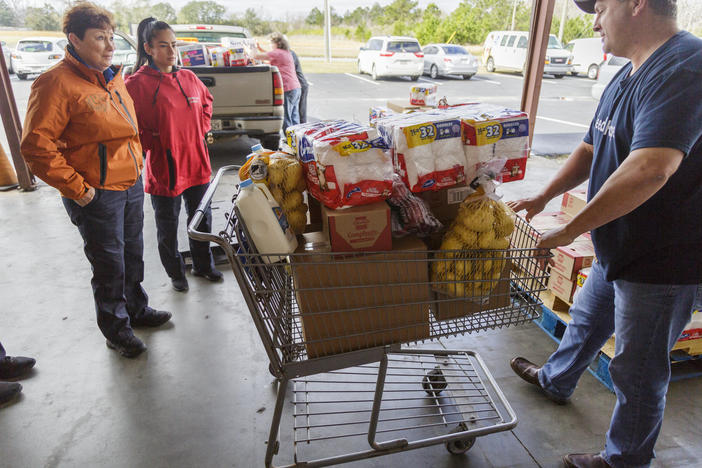
The food pantry at Brashear High School is open once a week, and each student gets about five minutes to shop. Any snacks they don't take often go to teachers, to offer to hungry pupils.
Catrina Bingham has worked with the Never Alone pantry for almost a decade. She says the loss of benefits through the Supplemental Nutrition Assistance Program (SNAP) is only worsening food insecurity.
At the heart of the impasse is a debate about expiring subsidies for health insurance. It's the latest chapter in a fight over Obamacare that has dominated Congress since the law was signed in 2010.
Signs of a potential end to the government shutdown are intensifying with behind-the-scenes talks. Meanwhile, President Donald Trump threatened Tuesday no more SNAP food aid unless the government reopens, but his spokeswoman said the administration is releasing the funds in line with court orders.
Some 42 million people in the U.S. who rely on SNAP benefits could soon join the already long lines at the nation's food banks and pantries that are also serving struggling federal workers.
On Friday was the day expected to be the last day of Supplemental Nutrition Assistance Program benefits for 42 million Americans for who knows how long, due to the federal shutdown. Helpers scrambled to try to fill the gap, even partially.
Most of the federal money that normally reaches the state’s Community Action Agencies is tied up in Congress. Some are looking to other funding sources.
If the government shutdown extends beyond Nov. 1, more than 65,000 children could be at risk of losing access to Head Start, the federal early-learning program for low-income families.
Unions have been providing food and supplies to federal workers without pay. Now they're donating costumes to help workers save money on seasonal shopping.
Cuts to the USDA in March may have left food banks in a tough spot if the federal government shutdown means 42 million people don't get their food aid in November — including more than a million in Georgia.
Air traffic controllers in Atlanta handed out leaflets to passengers at Hartsfield-Jackson Atlanta International Airport on Tuesday explaining the effects the government shutdown has on them.
Democratic U.S. Reps. Lucy McBath and Hank Johnson joined the Georgia Legislative Black Caucus to sound the alarm about the effects Georgians are feeling from the government shutdown as it nears its fifth week.