Georgia will not join the 24 states and Washington, D.C., that are suing the Trump administration to release $6 billion in promised federal education grants, Attorney General Chris Carr said.
By using AI-powered bots and better supporting caseworkers, social service providers in Georgia are still trying to catch up on a backlogs of applications to the programs.
A group that represents teachers and school staff across Georgia is asking Gov. Brian Kemp to call a special session to address federal cuts to education funding.
No state may have more to lose than Georgia as Republicans in Congress look to gut federal subsidies that aid both the solar and electric vehicle industries. And few towns have more to lose than Cartersville. Some local Republicans oppose the cuts, but high-ranking Georgia Republicans have been publicly silent.
Medicaid helps pay for the services seniors can no longer do for themselves. Proposed cuts target federal spending for the program, worrying providers of caregiving services.
Among recent targets for federal spending cuts is a sixty year old Department of Labor program called the Job Corps. NOW thousands are wondering where they'll go next.
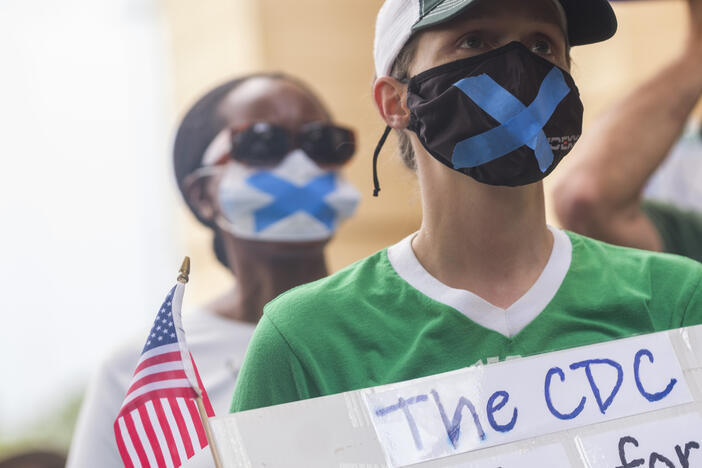
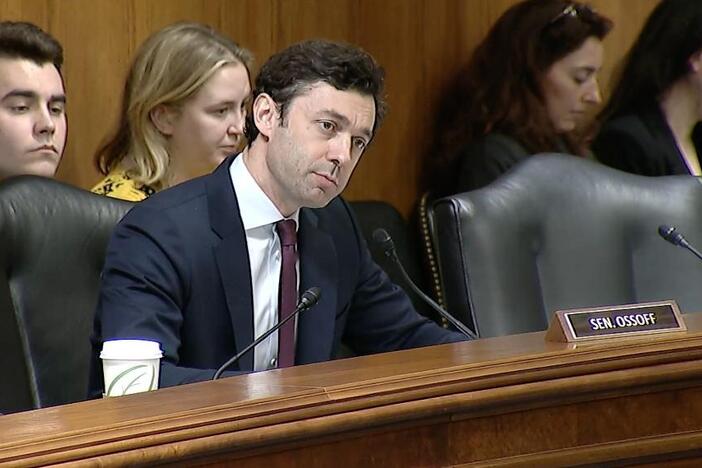
Georgia's U.S. senators worked on protecting the Okefenokee, urged Senate leadership to fund the CDC, pressing USDA about Georgia family farms, and upgrading Georgia airports.