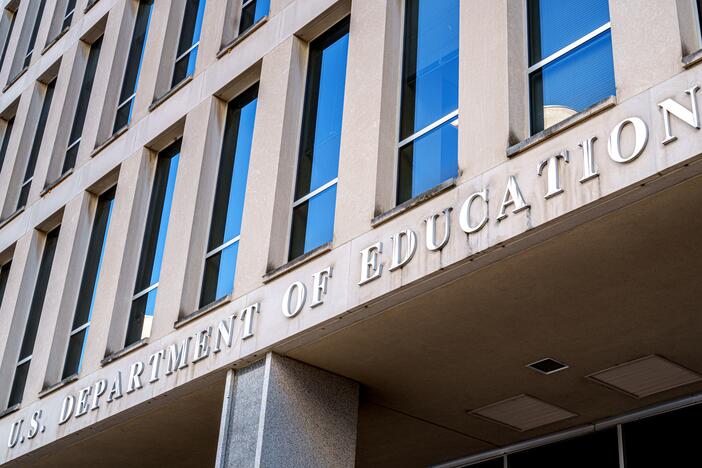
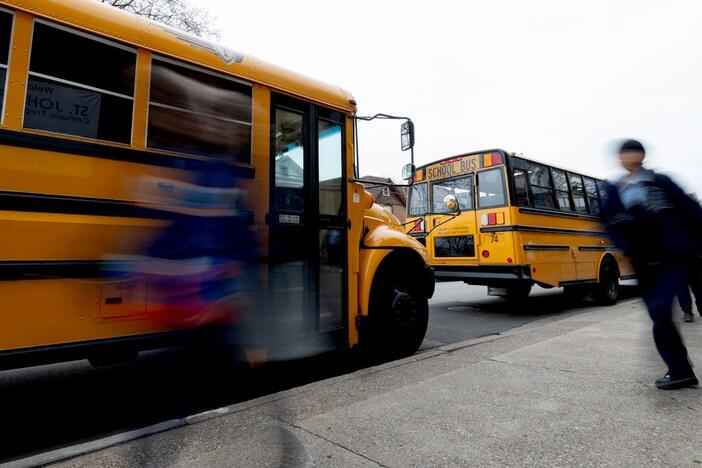
The federal grant funding traditionally goes out by July 1. It includes support for migrant education, after-school programs and English language learners.
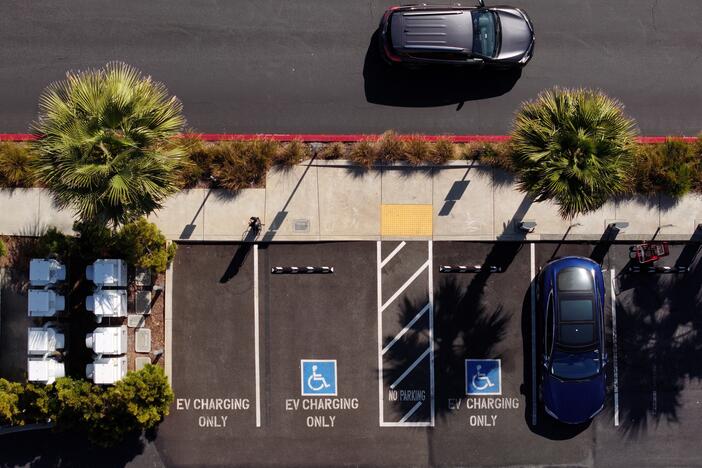
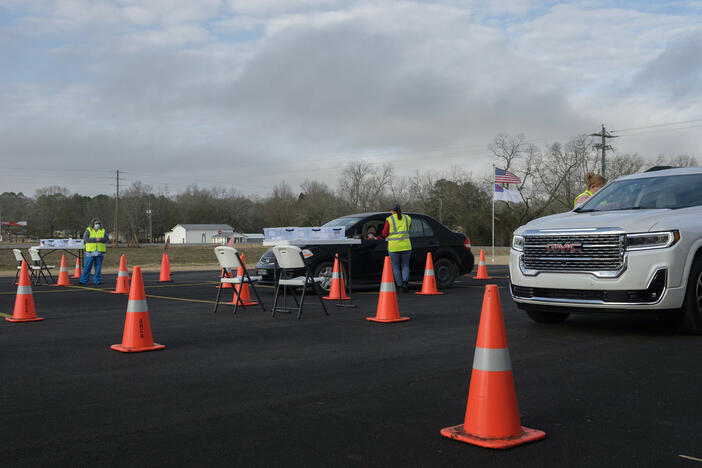
Congress designated money for building new EV chargers, but the Trump administration put a freeze on those funds. A federal judge issued a preliminary injunction ordering the program to resume.
New details of the administration's budget proposal for fiscal year 2026 came after a federal judge blocked the president's efforts to close the U.S. Education Department.
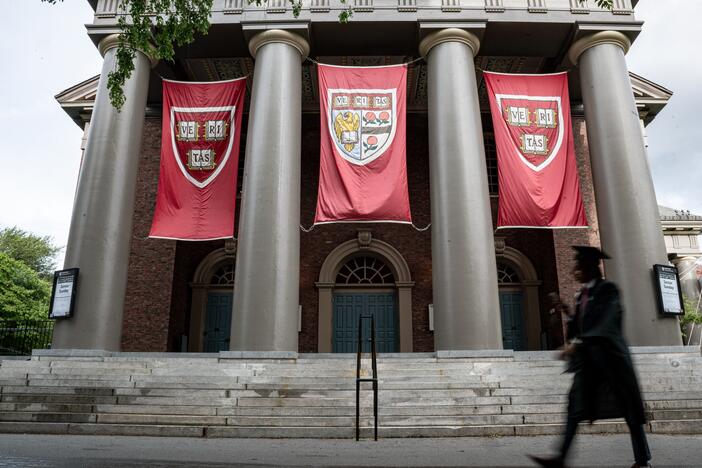
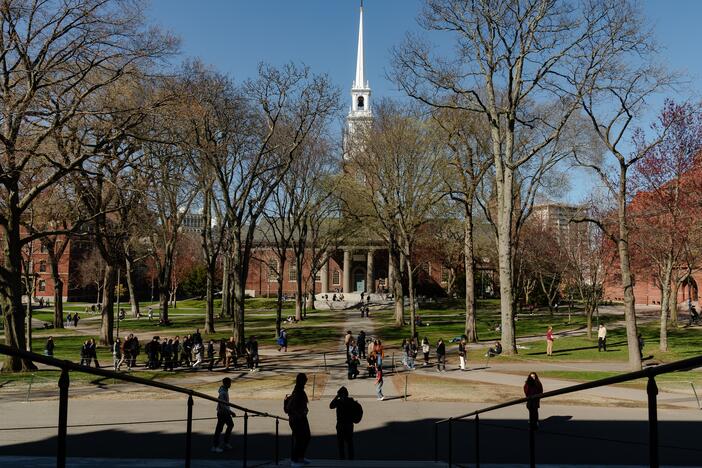
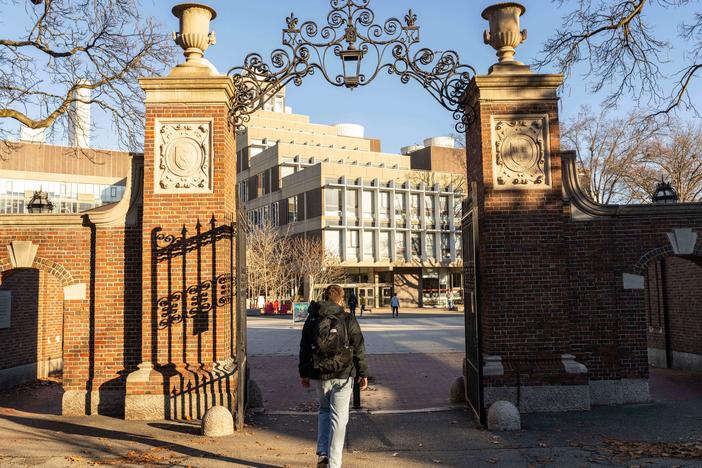
A letter from the U.S. General Services Administration, which is dated Tuesday, tells agencies to submit a list of contracts they have terminated with the university by June 6.
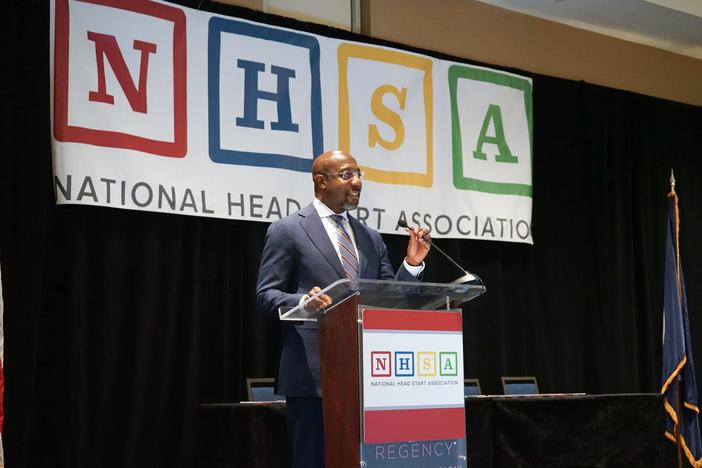
Early childhood development program Head Start is the latest group facing federal funding cuts — and it could affect rural areas and working families most.
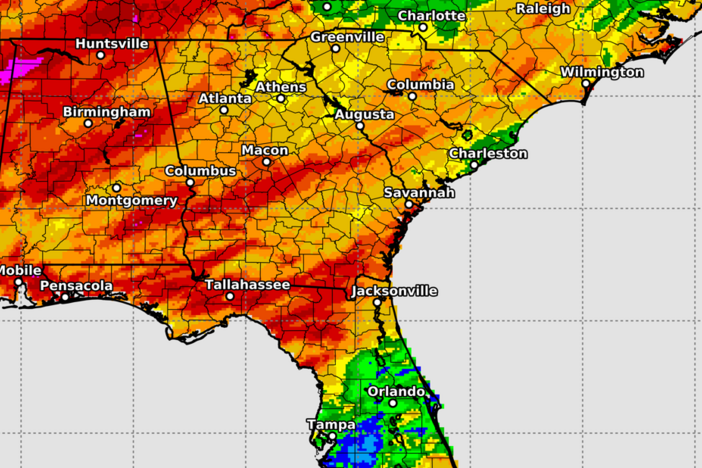
Data housed by the Regional Climate Centers includes drought maps, air quality visualization and precipitation and temperature averages by state going back more than 100 years.
Over $300 million in grants from the federal government to the Georgia Department of Public Health have been terminated, resulting in a reduction of staff and some services related to infectious disease surveillance.
Leaders from rural communities in eight states travelled to Washington, D.C., last week to urge lawmakers to preserve federal funding that's threatened by the Trump administration.
With uncertainties around federal funding for higher education, some schools are cutting back. Experts say that could hurt not only students and faculty, but ultimately make the U.S. less competitive.
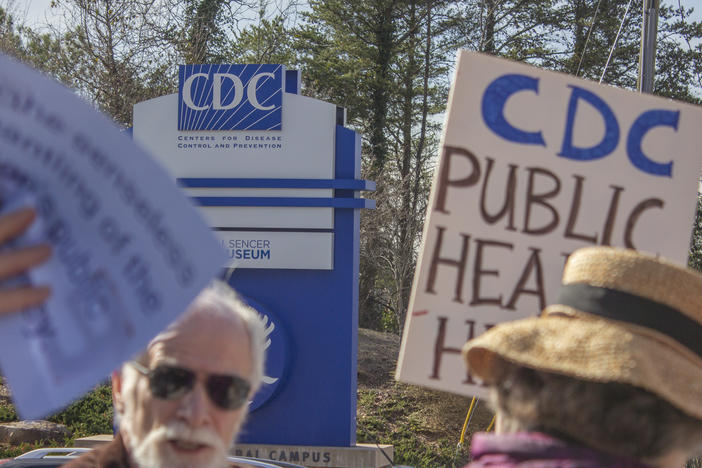
In recent days, more than a thousand employees at the Atlanta-based CDC and more at other agencies under the Department of Health and Human Services have been let go.
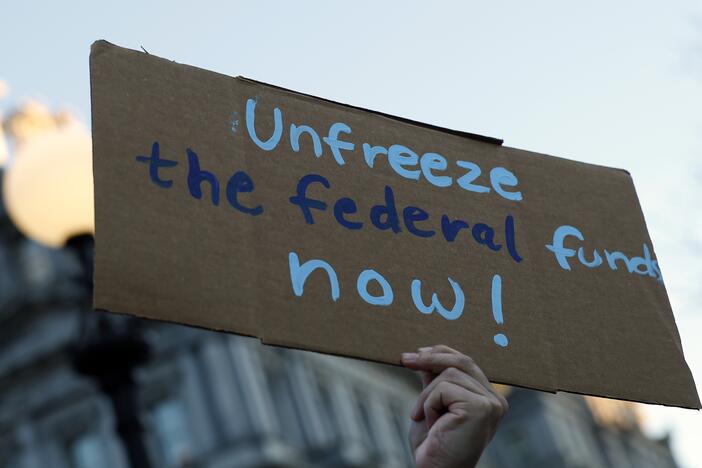
The judge had issued a temporary restraining order against an administration plan to freeze payments for grants and other federal programs, but says the administration has not been fully complying.