One explanation for the rise in obesity in industrialized countries is that people burn fewer calories than people in countries where obesity is rare. A major study finds that's not the case.
Colon cancer is on the rise in younger people in the U.S. New research shows regular exercise can help survivors live longer — in some cases even longer than people who didn't have cancer.
Here's another good reason to keep exercising. A study finds people with obesity who exercise can store more fatunder the skin instead of around their organs, which is much better for their health.
Going to the gym is a great way to get exercise — once you get into your gym duds and motivate yourself to start working out. But in other parts of the world, there's a different way to stay fit.
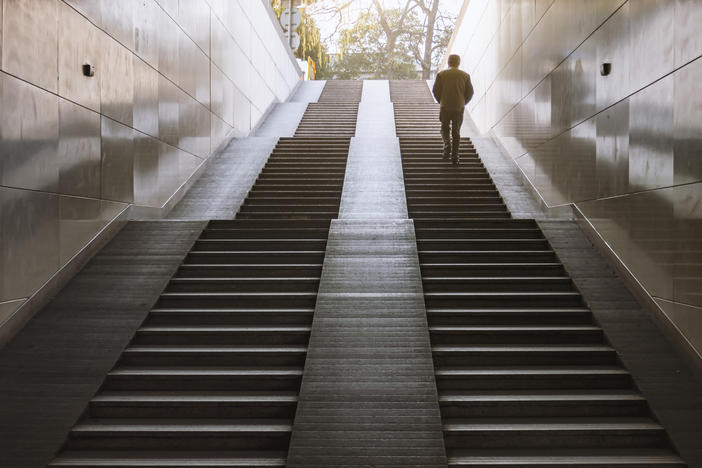
A new study shows people who are in the habit of climbing stairs are less likely to die from heart disease compared to those who don't. Stair climbers also had a slight boost in longevity.
The slow-moving Chinese martial art tai chi is known to increase flexibility and balance. Now, research suggests it's more effective at reducing blood pressure than more vigorous forms of exercise.
Last year, NPR's health reporters dug into the science of healthy living. Here are nine things they learned that can help you embrace small shifts with big payoffs in the year ahead.
Research shows that a daily dose of tai chi, the slow-moving meditative, martial art can boost our body and brain. A new study finds adding word games to tai chi doubles the increase in memory.
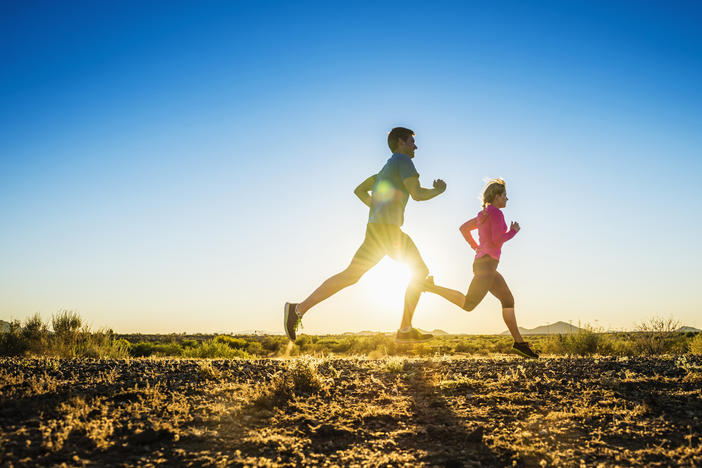
More than a 100 years ago, doctors thought that too much running or other vigorous activity could harm us. Marathoner Clarence DeMar proved them wrong.
People who get regular short bouts of exercise are less likely to develop diabetes, dementia and heart disease, a new study finds. And an added benefit - regular movement puts people in a better mood.
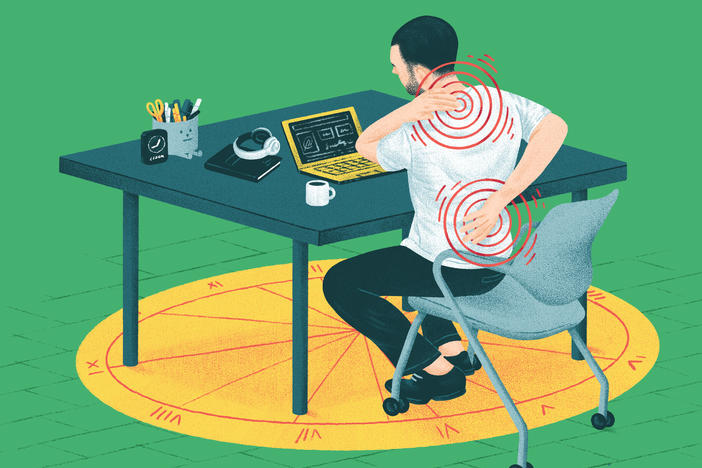
Hunching over screens takes a toll. Movement researchers say you can prevent pain from accumulating by taking quick breaks for movement. Here are 5 exercises to try that take a minute or less.
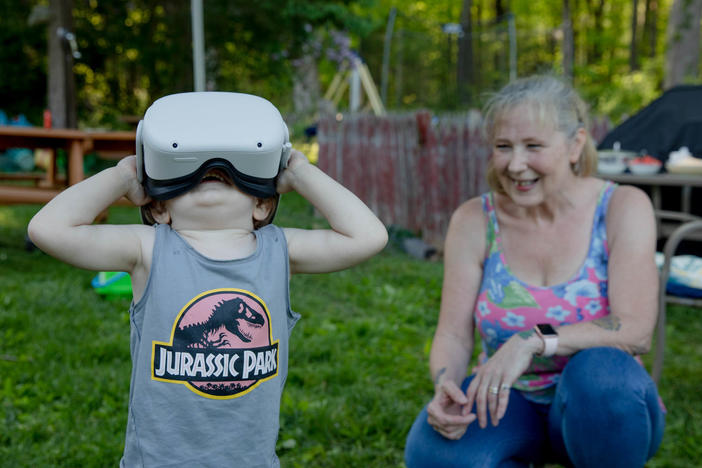
During lockdown, gyms were out of the question. But some people felt more comfortable exercising at home, and companies hope to keep attracting new users by making VR apps more addictive and fun.