HHS Secretary Robert F. Kennedy Jr. has blamed the addition of fluoride — a common, naturally occurring mineral — for a host of health issues. The CDC says the policy has reduced cavities by some 25%.
A new study suggests a link between high levels of fluoride and lowered IQ. It's heating up arguments over fluoridating drinking water, which dentists say is critical for protecting teeth.
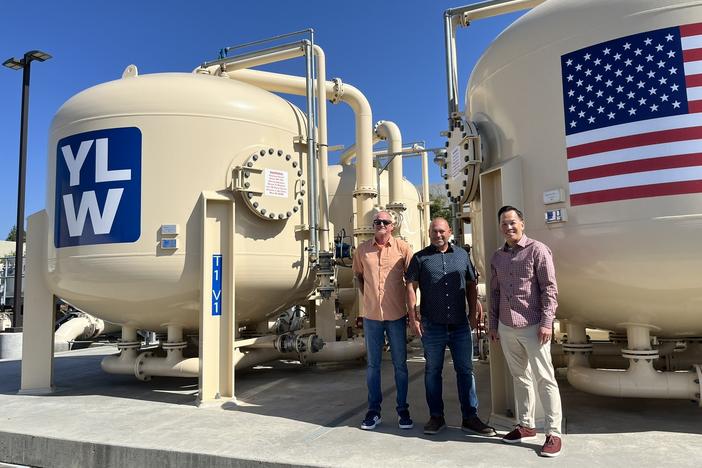
Water utilities across the country will have to comply with EPA limits on "forever chemicals" in drinking water by 2029. Orange County, Calif., got a head start.
Wednesday the Environmental Protection Agency announced new drinking water standards to limit people's exposure to some PFAS chemicals. For decades, PFAS have been used to waterproof and stain-proof a variety of consumer products. These "forever chemicals" in a host of products — everything from raincoats and the Teflon of nonstick pans to makeup to furniture and firefighting foam. Because PFAS take a very long time to break down, they can accumulate in humans and the environment. Now, a growing body of research is linking them to human health problems like serious illness, some cancers, lower fertility and liver damage. Science correspondent Pien Huang joins the show today to talk through this new EPA rule — what the threshold for safe levels of PFAS in tap water is, why the rule is happening now and how the federal standards will be implemented.
Read more of Pien's reporting on the EPA's first ever rule on PFAS in drinking water.
Want to hear more about health and human safety? Email us at shortwave@npr.org — we might cover your question on a future episode!
The Windy City has the most lead pipes of any U.S. city. A study estimates that more than two-thirds of children there are exposed to lead in their home tap water.
Most cities would have to replace lead water pipes within 10 years under new rules proposed by the Environmental Protection Agency aimed to prevent like the ones in Flint, Mich. and Washington, D.C.
Drinking water in Columbus contains traces of toxic chemical compounds, commonly referred to as ‘forever chemicals’, slightly above proposed federal standards.
A new government study estimates that at least 45% of the nation's tap water could be contaminated with one or more forms of PFAS. Here's what to do if you're worried about what's in your faucet.
The EPA proposed limiting the amount of harmful "forever chemicals" in drinking water to the lowest detectable levels, a move it said will save thousands of lives and prevent serious illnesses.
A Georgia House bill would align state law with the current federal rule around the storage of the toxic material left over from burning coal to make electricity, also known as coal ash.
Local nonprofits have been delivering water directly to some residents, but the groups are still working on scaling up to dealing with a problem that stretches across the city.