Georgia Senate Bill 79 or the Fentanyl Reduction and Eradication Act, takes Austin's Law to the next step, establishing mandatory minimum sentences for drug crime.
The FDA says esketamine, an antidepressant derived from the anesthetic and party drug ketamine, can now be prescribed on its own. It was approved in 2019 to treat severe depression.
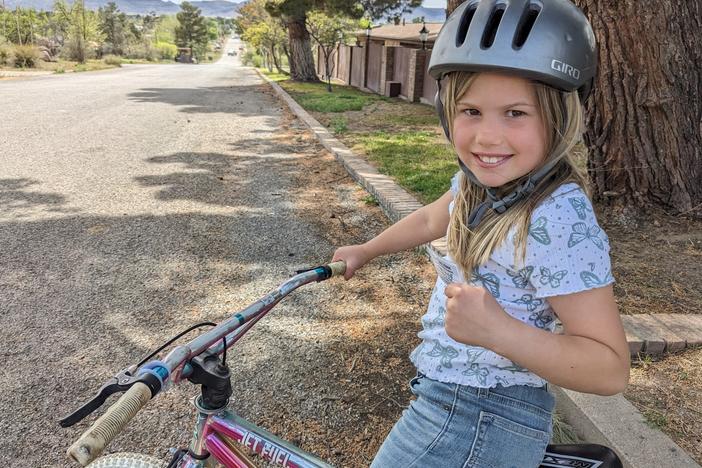
Research shows that a toxic mix of past traumas and the stresses of resettlement puts refugee kids at significantly higher risk of long term mental health challenges. A new effort aims to mitigate those risks by supporting parents and children in refugee families.
Researchers have found that a warm, close bond with a sibling in early adult life is predictive of good emotional health later in life, with less loneliness, anxiety and depression.
Kids have too much screen time and not enough autonomy, says author Jonathan Haidt. His book The Anxious Generation argues this has caused an epidemic of mental illness and suggests ways to fix it.
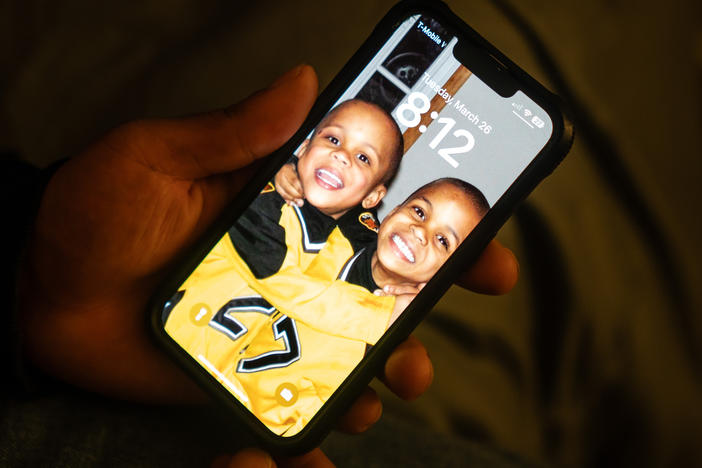
About 60,000 children a year in the U.S. lose a sibling. Zion Kelly joined that unlucky group in 2017 when his twin, Zaire, was killed. Zion has learned a lot about grief, and himself, since then.
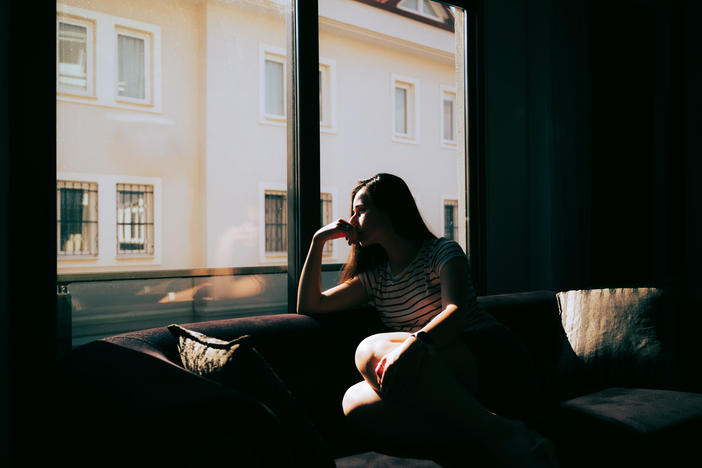
The number of people living alone in the U.S. jumped to nearly 38 million. A new study shows people who live alone are more likely to report depression if they didn't have other social supports.
Ketamine, approved as an anesthetic in 1970, is emerging as a major alternative mental health treatment. But more than 500 clinics have popped up with little regulation, and treatment varies widely.
It's not just for weight loss. Patients and doctors alike are having success using the diet for illnesses like bipolar disorder and schizophrenia. And research is taking off.
The suicide rate for Hispanics in the United States has increased significantly over the past decade. The reasons are varied, say community leaders and mental health experts, citing factors such as language barriers, poverty, and a lack of bilingual mental health professionals.
Many Americans experience some kind of winter blues. But in some cases, symptoms can rise to the level of clinical depression. Here's what to know about SAD and the natural therapy that can help.
New evidence shows that people who maintain a range of healthy habits, from good sleep to physical activity to strong social connections, are significantly less likely to experience depression.