Interior Department employees say they have been scrambling to keep the lights on and do their jobs as budget cuts driven by the Department of Government efficiency team start to bite.
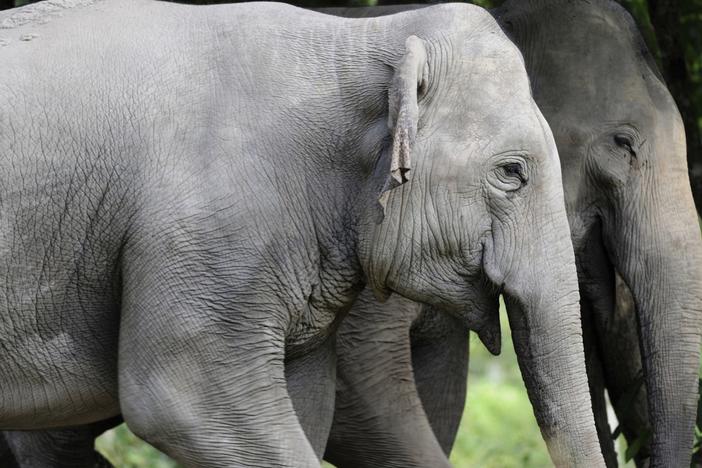
Some 400 to 600 Asian elephants are believed to remain living in the wild in Cambodia. Researchers said the study's findings underscore the potential of a "national stronghold" for the species.
Friday's debut of new pandas at the National Zoo in D.C. is the latest chapter in a long tale of "panda diplomacy" between China and the rest of the world.
Lebanese volunteers are anxious to get back to sea turtle conservation on southern beaches that were off-limits to civilians when fighting escalated between Israel and Hezbollah.
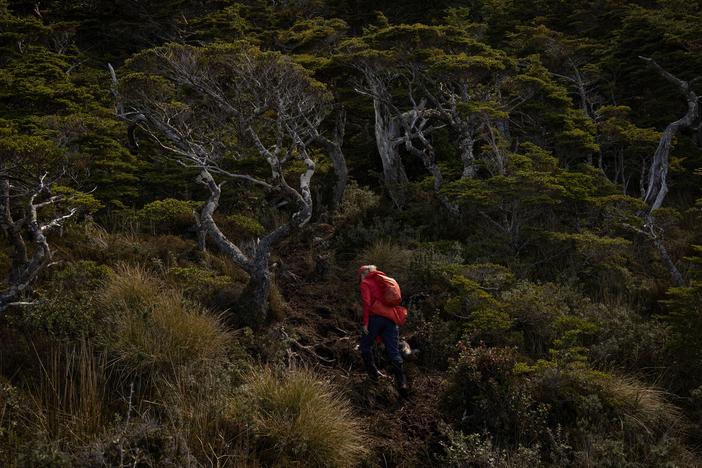
Chile is set to gain its 47th national park early this year — largely due to the efforts of U.S. conservationist Kristine Tompkins and her organization.
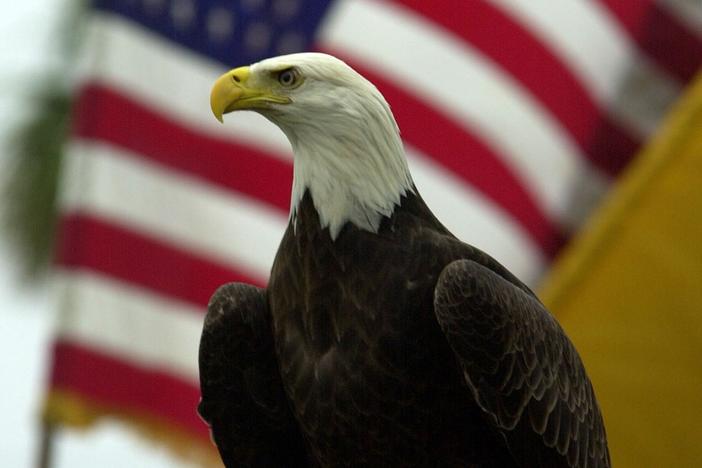
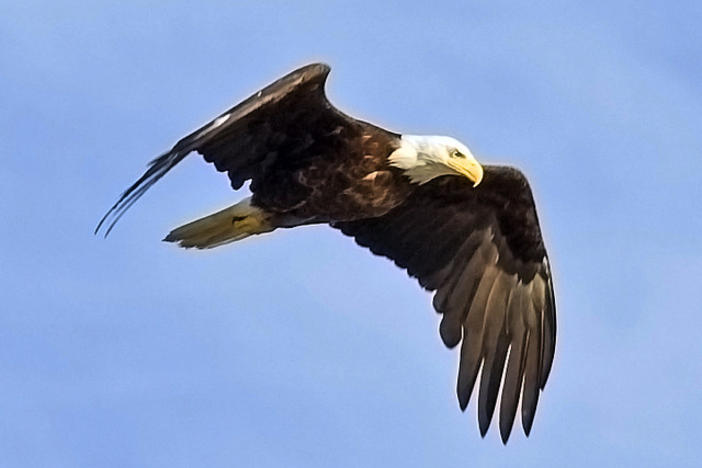
After learning the U.S. doesn't officially recognize the bald eagle as its national bird, a Minnesota man swooped in. This week the House passed his bill, which now heads to Biden's desk.
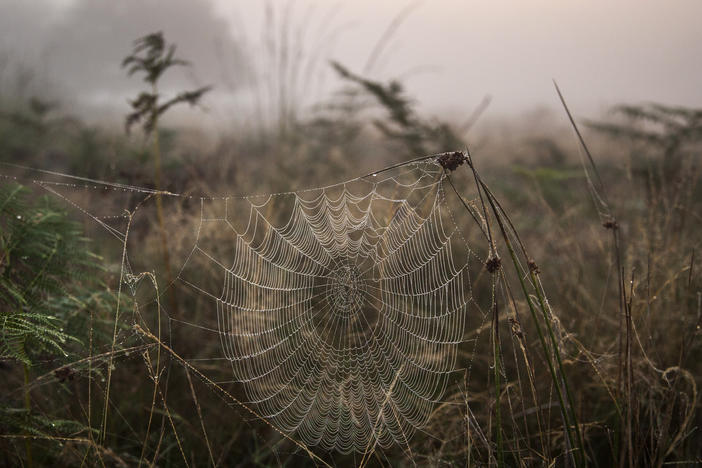
Spiderwebs can capture environmental DNA, or eDNA, from vertebrate animals in their area, potentially making them a useful tool in animal monitoring, tracking and conservation.
The competition withdrew its new category after pushback from animal rights groups. The controversy highlights a broader debate over how to manage the invasive species.
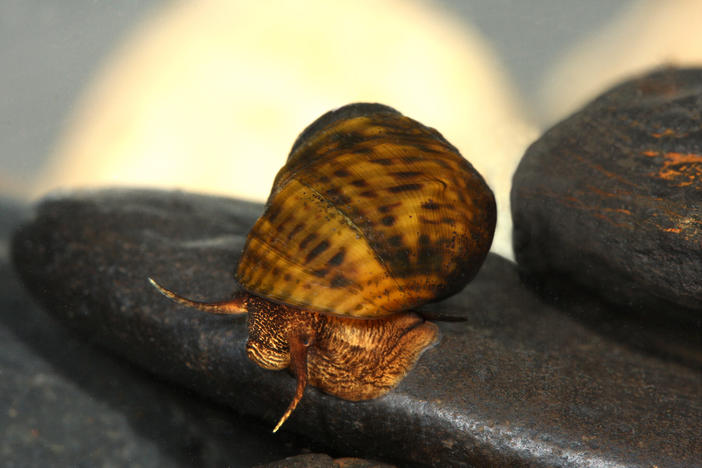
The interrupted rocksnail was once thought to be extinct, but in 1997, the United States Geological Survey found a single specimen. The researchers located enough snails to begin breeding them in captivity, and they’ve been releasing them in the thousands in an attempt to give them a second chance at life.
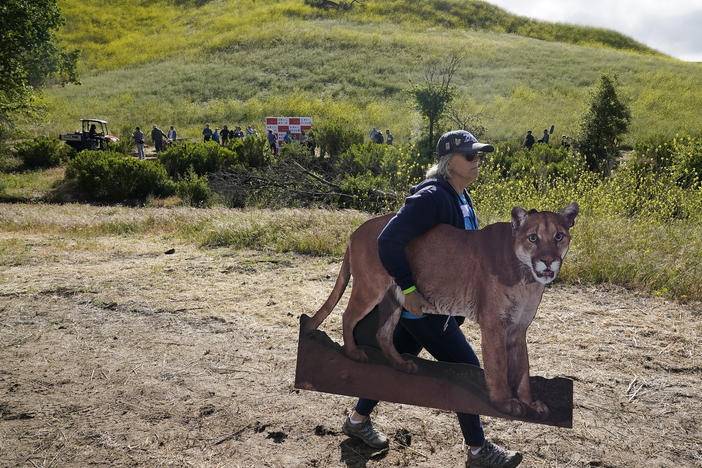
Beloved Hollywood mountain lion P-22 was euthanized over the weekend due to health issues. His story highlights both the plight of urban wildlife and groundbreaking efforts to protect it.
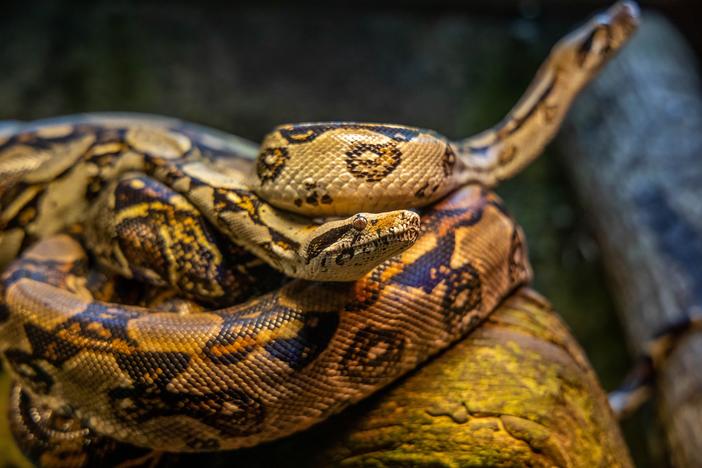
The Georgia Department of Natural Resources Board on Tuesday voted to limit future ownership of Burmese pythons, along with Indian rock pythons, Argentine black and white tegus, Nile monitor lizards, African helmeted turtles and Chinese softshell turtles.
The Recovering America's Wildlife Act would create a permanent fund of more than $1.3 billion, given to states, territories, and tribal nations for wildlife conservation on the ground.