From state and local food-safety response to the federal health agencies that fund that work, a record-breaking year for cyclosporiasis cases runs up against the Trump administration's cuts last year.
Cutting back on ready-to-eat meals won't be easy, and whole milk may make a comeback. One thing that's certain: It'll be a while before the new guidelines trickle down to schools.
At one food pantry in Boston, the spike in demand means there's now a two-week wait for some to receive food, stressing needy families as well as pantry staff.
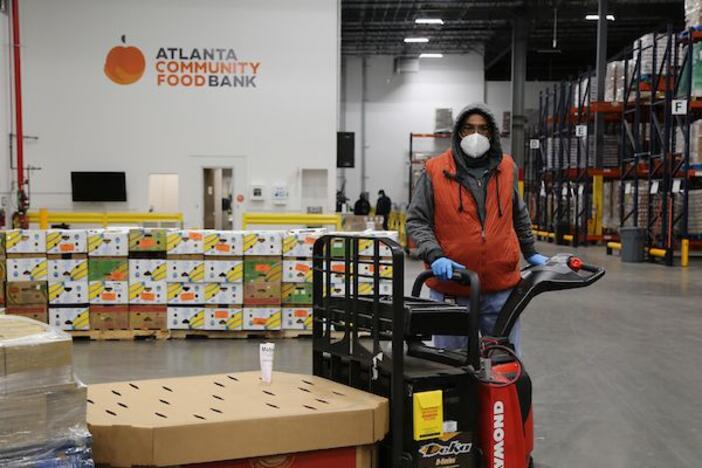
Cuts to the USDA in March may have left food banks in a tough spot if the federal government shutdown means 42 million people don't get their food aid in November — including more than a million in Georgia.
SNAP, the country's largest anti-hunger program, dates back to the Great Depression and has never been disrupted this way. Most recipients are seniors, families with kids, and those with disabilities.
Democratic-led states secured a legal victory to keep the personal data of food recipients out of the federal government's reach. But NPR's reporting shows that millions of records on Americans have already been shared.
Federal workers who took the Trump administration's buyout offer come off the payroll at the end of September. Now some are confronting fear, regret and uncertainty as they figure out what's next.
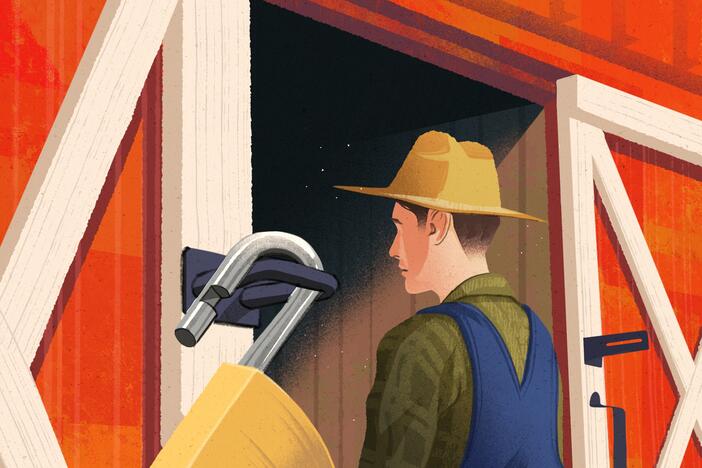
Sen. Tammy Baldwin, D-Wis., wants the USDA to revoke high-level access granted to the Department of Government Efficiency to a database that controls payments and loans to farmers and ranchers.
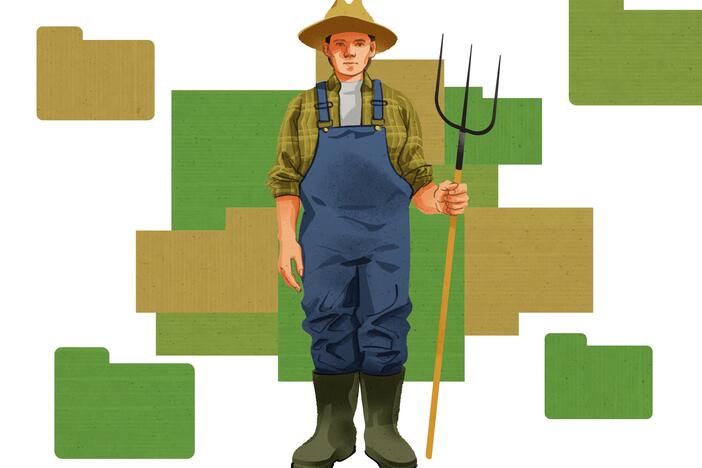
More than a thousand people who worked to keep American agriculture free of pests and disease have left the federal workforce in President Trump's massive government downsizing.
One payment processor has so far signaled to states that it intends to turn over data about millions of Americans to the federal government even as privacy groups warn that the request is illegal.