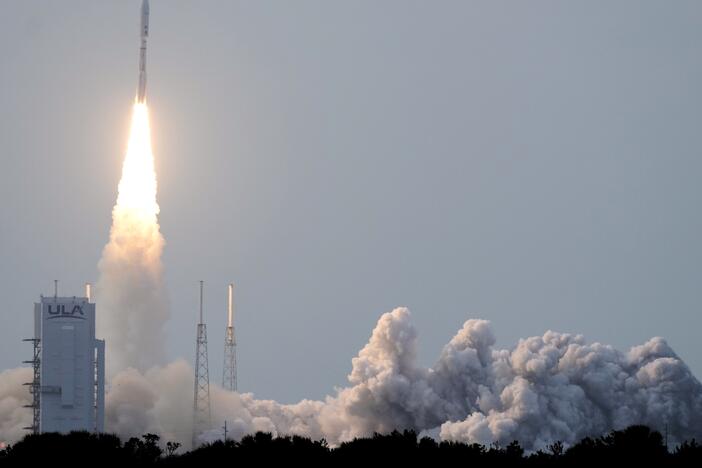
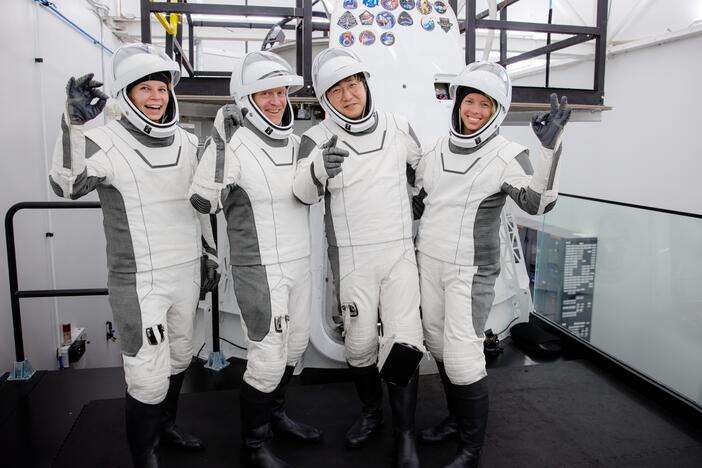
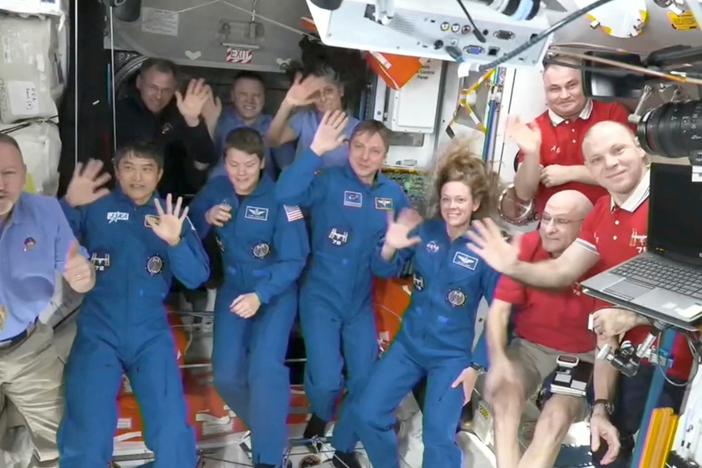
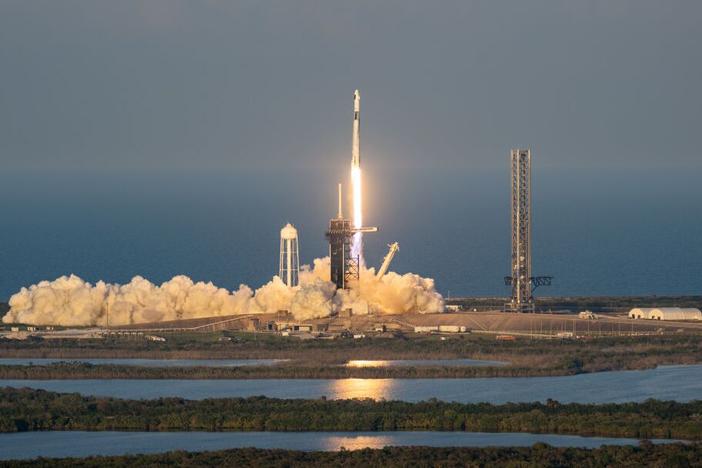
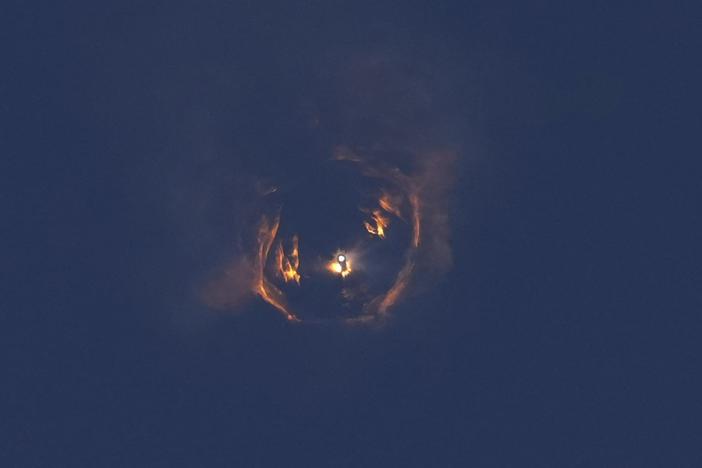
It's the fourth mission to the International Space Station for Axiom Space. The Houston company works with SpaceX for rides to the station and coordinates with NASA to use the ISS for its astronauts.
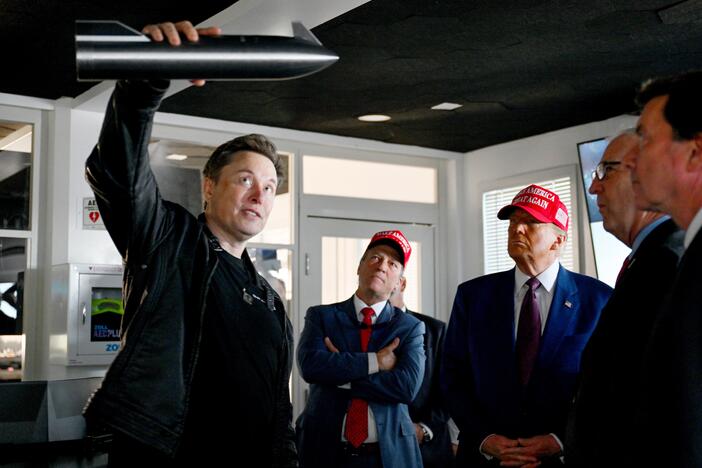
Besides its flights to the International Space Station and Starship program, SpaceX is deeply embedded in the Department of Defense. The feud between Elon Musk and President Trump could end all that.
From space travel to military operations to the future of green energy, the U.S. has become reliant on Elon Musk's business empire. But it won't be easy for the government to end its reliance on Musk.
Here's a summary of NPR's findings about the report that a whistleblower filed to Congress about how DOGE violated security protocols and could have removed sensitive labor data.
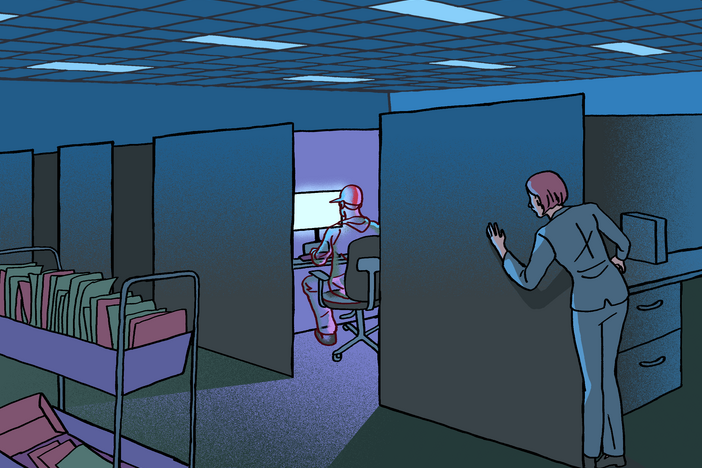
A whistleblower tells Congress and NPR that DOGE may have taken sensitive labor data and hid its tracks. "None of that ... information should ever leave the agency," said a former NLRB official.
SpaceX launched four people into space Monday evening on a first-ever human mission to orbit Earth's polar regions. If successful, the mission also will be the first to cultivate mushrooms as a crop.
The appointment of Catherine Eschbach could raise conflict-of-interest concerns. She will also lead the downsizing of an agency that holds contractors accountable to federal civil rights laws.
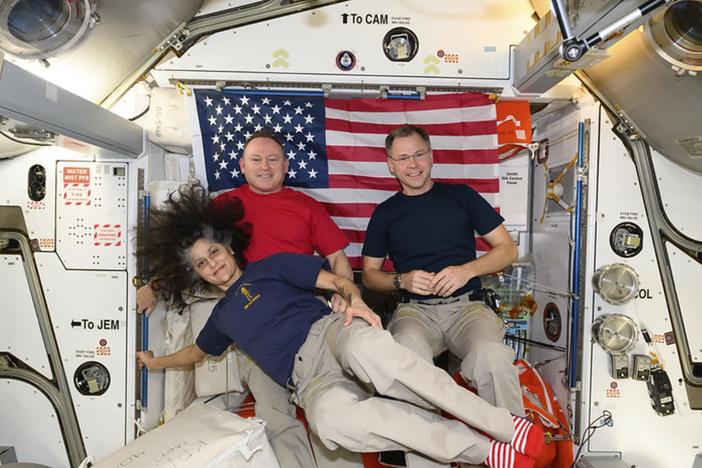
Suni Williams and Butch Wilmore were only supposed to be in space for about a week when they launched in June, but problems with their Boeing Starliner spacecraft extended their journey for months.
President Trump and Elon Musk claim the Biden administration abandoned two astronauts in space. But the publicly available evidence suggests a different story.
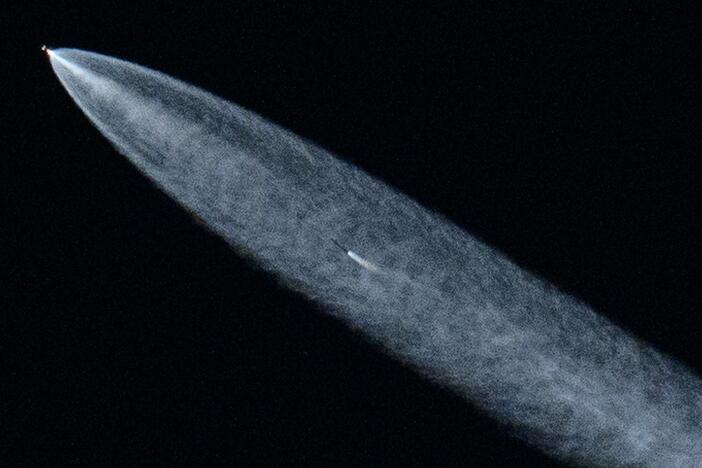
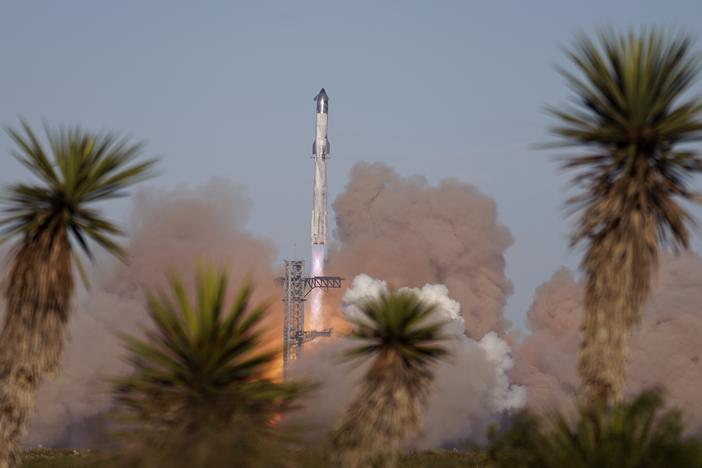
Nearly two months after an explosion sent flaming debris raining down on the Turks and Caicos, SpaceX launched another mammoth Starship rocket but lost contact minutes into the test flight.
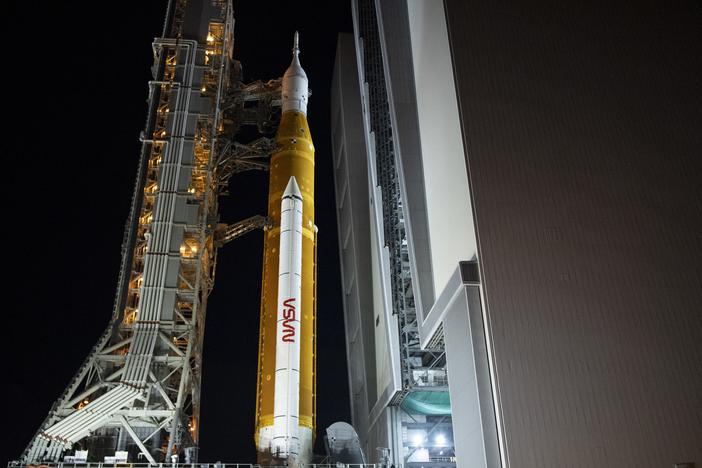
President Trump launched the Artemis program to return U.S. astronauts to the moon for the first time since Apollo. Now, the plan could be a casualty of the cost-cutting drive overseen by Elon Musk.
After launching on Thursday, the Starship rocket caught the booster back at the pad but lost contact with the ascending spacecraft as engines went out. Officials for Elon Musk's company confirmed that the spacecraft was destroyed.