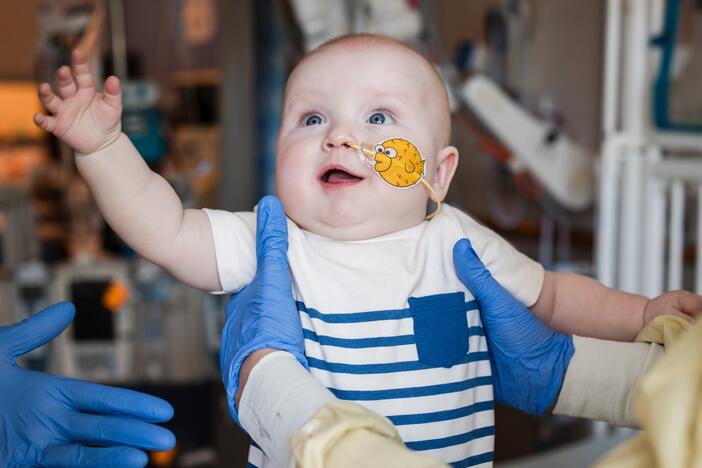
For the first time, doctors have created a customized treatment using the revolutionary gene-editing technique known as CRISPR to treat a baby with a rare, life-threatening genetic disorder.
The gene-editing technique is effective for treating some illnesses but it's been too expensive to consider it for rare conditions. A new approach in the works could make it more widely available.
An estimated 30 million Americans are diagnosed with a rare disease. Before whole genome sequencing, it sometimes took more than a decade to find the specific genetic mutation.
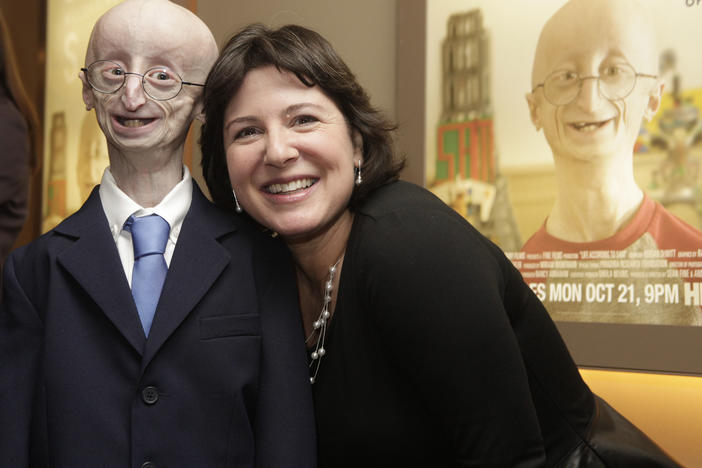
A newly approved drug can extend the lives of children with progeria, a rare disorder that causes rapid aging. The drug is the result of one family's effort to help a child with the fatal condition.