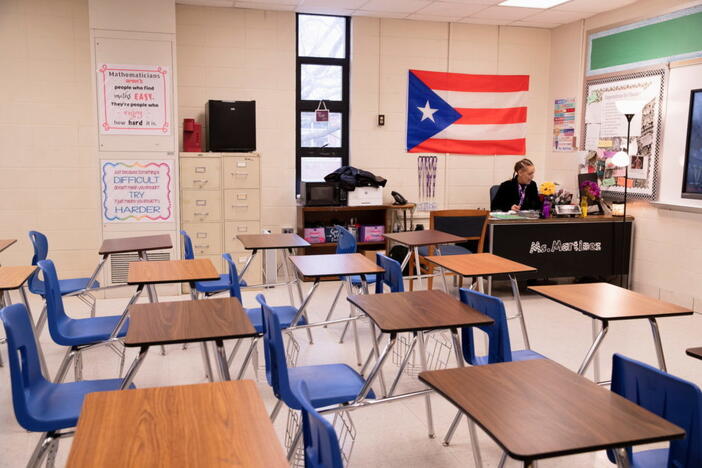
As a generation of teachers retire and their burned-out younger colleagues quit sooner, complaining about the workload and the pay, public schools have struggled to keep their classrooms staffed.
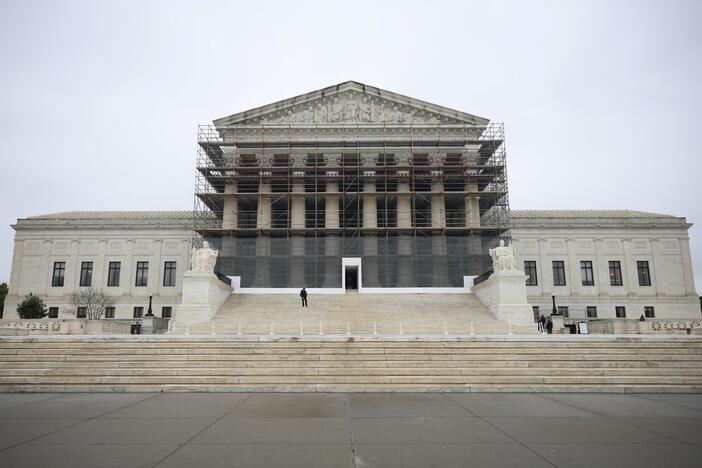
At issue is a case testing the reach of federal laws that promise special help for children with disabilities in public schools. Specifically: What do parents have to prove in order to get that specialized help?
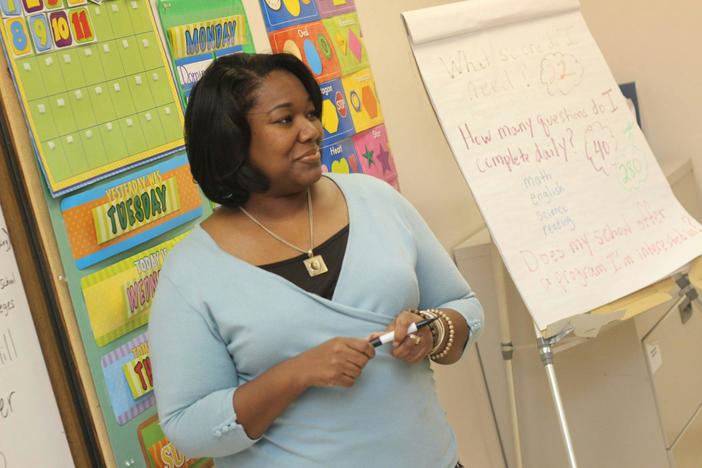
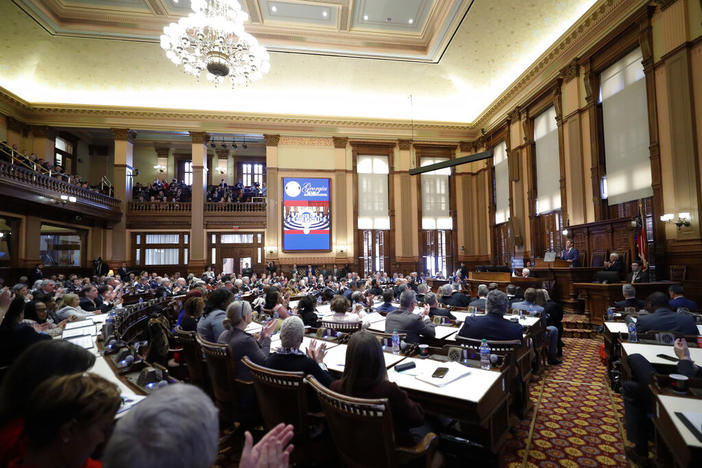
Georgia public schools were short 5,300 teachers as of December, an ongoing problem state lawmakers have been unable to fix. They have a new proposed solution, but it would take awhile to put in place: let more retired teachers return to the classroom with both pay and pensions.
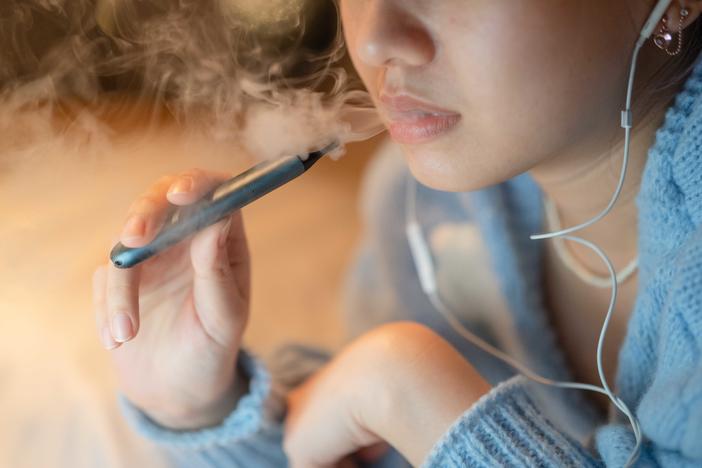
Some districts are using money from a $1.7 billion legal settlement against e-cigarette manufacturer Juul Labs to pay for the high-tech devices. But there are critics and also privacy concerns.
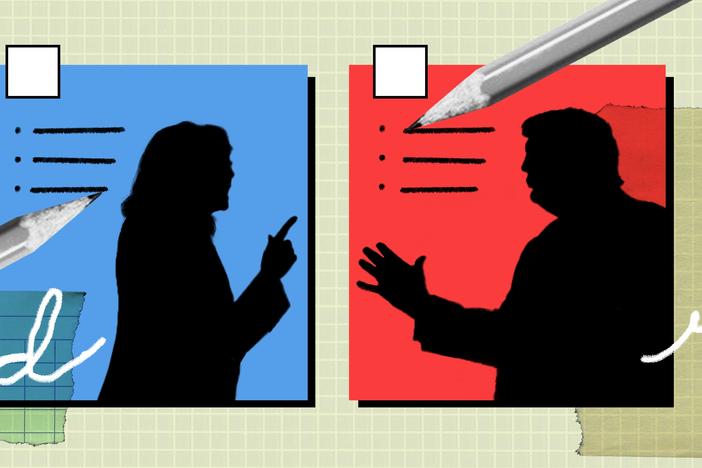
From school choice to college affordability, Trump and Harris don't have a lot in common. Ahead of the candidates’ only scheduled debate, we’ve put together a handy primer of their education views.
An expansion to Georgia’s school voucher program is getting another shot this year after passing the House Education Committee on party lines Wednesday.
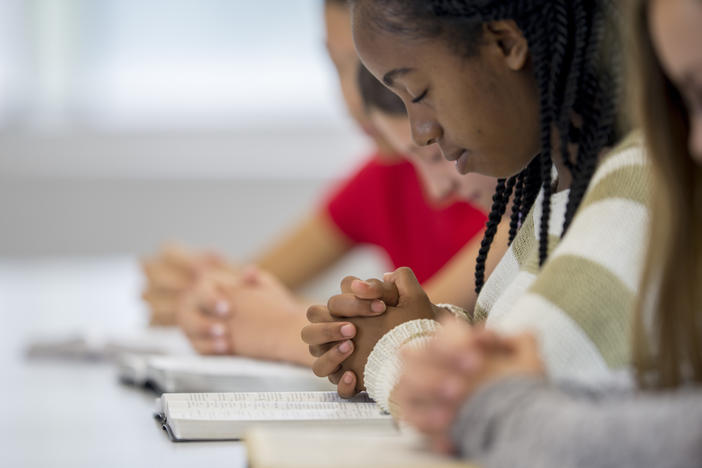
Chris Line, an attorney with the Freedom From Religion Foundation, calls the baptism of Tattnall County High School football players “religious coercion.”
In 1954, the U.S. Supreme Court declared racial segregation in schools unconstitutional. A new documentary explores what happened when one Mississippi community finally integrated its public schools in 1969.
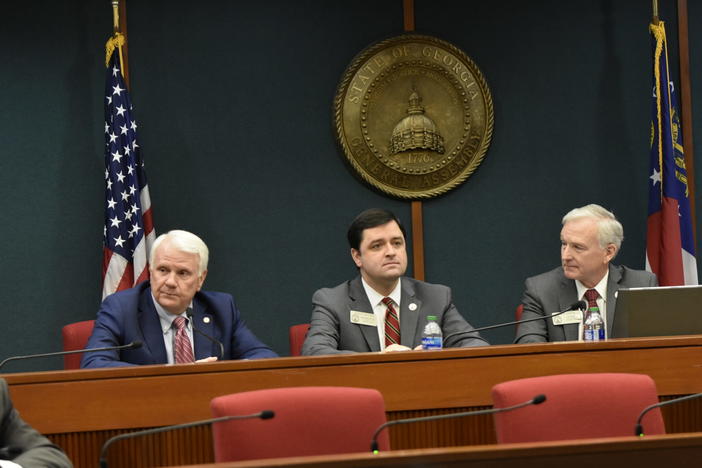
House budget writers in Georgia want to shift $100 million into the state employee health plan to reduce the sting of health insurance premium increases for public school districts. That's among changes that the House Appropriations Committee made Wednesday in Republican Gov. Brian Kemp's proposal for the 2023 budget year.
The public school district in Seattle has filed a novel lawsuit against TikTok, Instagram, Facebook, YouTube and Snapchat, seeking to hold them accountable for a mental health crisis among youth.