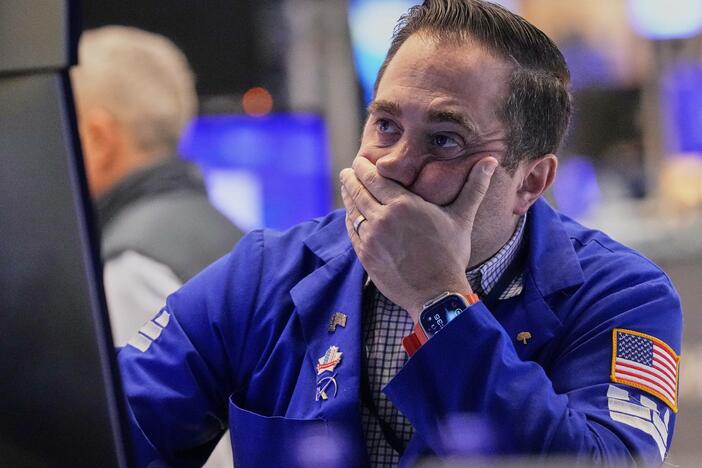
The S&P 500 sank 2.2% after falling as much as 3.3% earlier. Such an amount would have vied for one of its worst losses in years before the historic swings that have upended Wall Street in recent weeks.
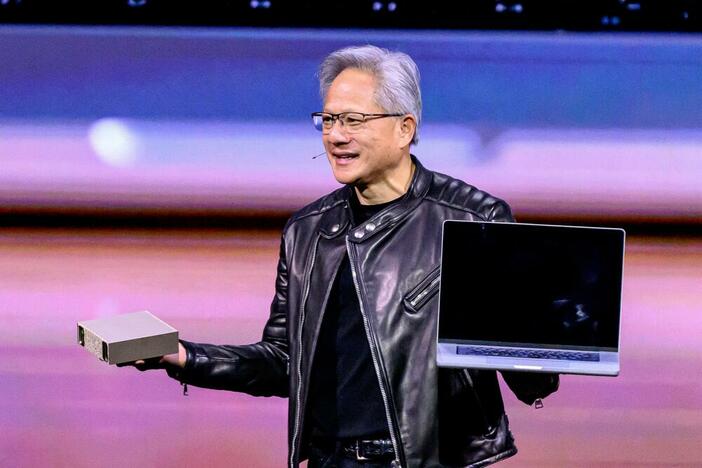
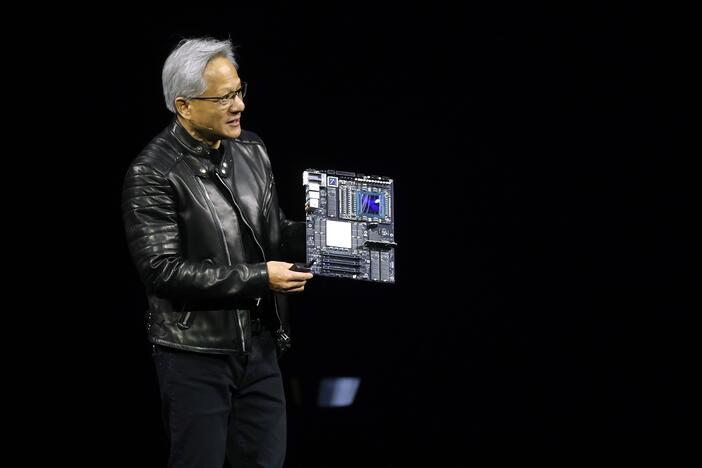
NPR reported that the company would be allowed to keep selling chips used for artificial intelligence tools to China. After NPR's reporting, the Trump administration reversed course.
The White House was expected to ban sales of the high-performance AI chip to China. Chinese companies had been stockpiling the chip but now the Trump administration is backing off.
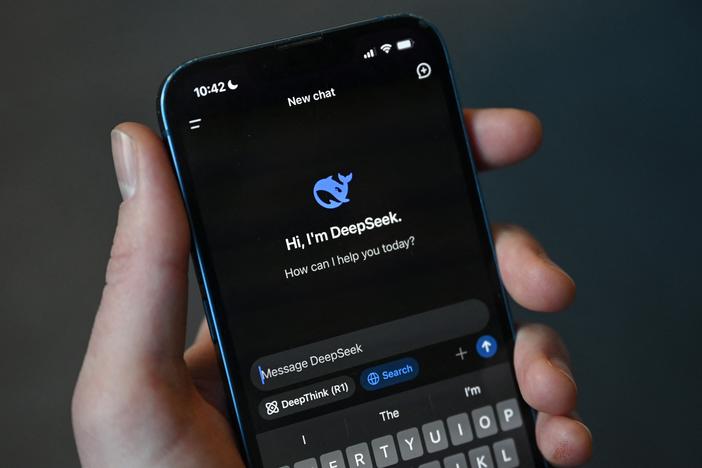
The White House is working with big tech companies to agree to testing and reporting measures to reduce AI risks. These voluntary measures are a precursor to regulation.
SoftBank has dropped its plans to sell the British semiconductor and software design company Arm to U.S. chipmaker Nvidia. The Federal Trade Commission had sued to block the $40 billion deal.
The regulator says the deal would give the combined company too much power, hurt competition and raise prices for consumers. It comes as a global shortage of chips wreaks havoc on the economy.