The Georgia Department of Public Health has confirmed its sixth measles case of 2025. The individual is an unvaccinated family member of a previous case.
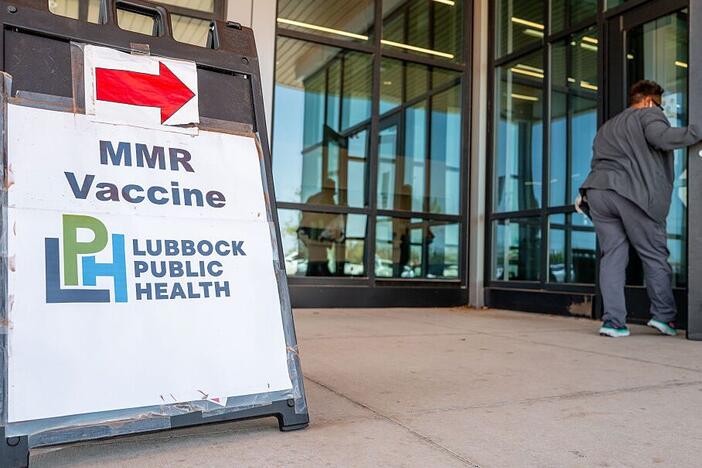
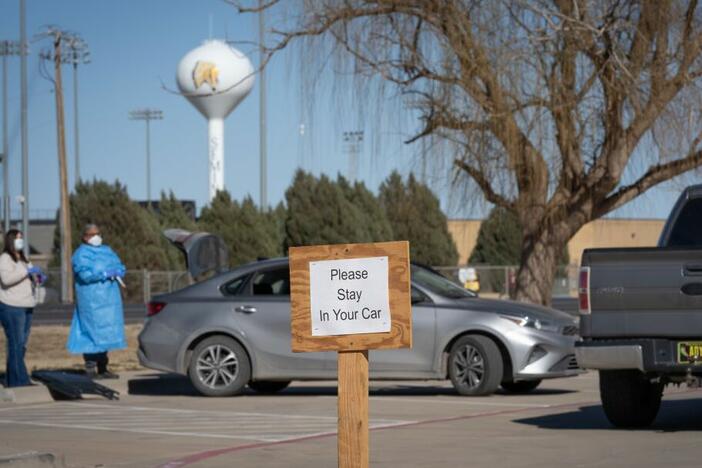
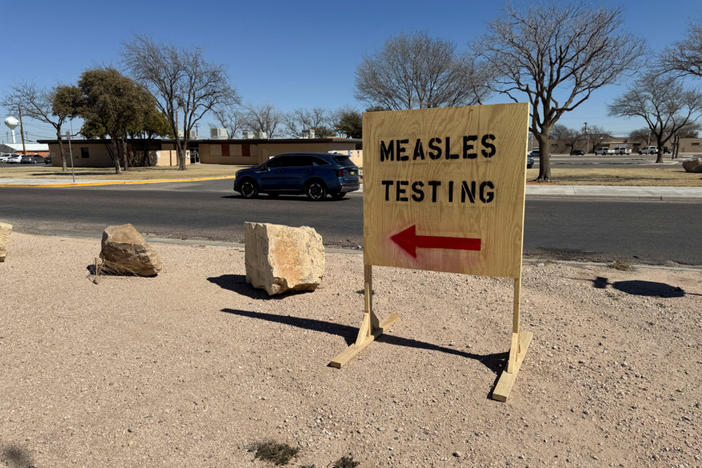
Katherine Wells, the public health director in Lubbock, Texas, describes her fight to stop the largest measles outbreak since 2000, despite a chaotic reorganization of federal health agencies.
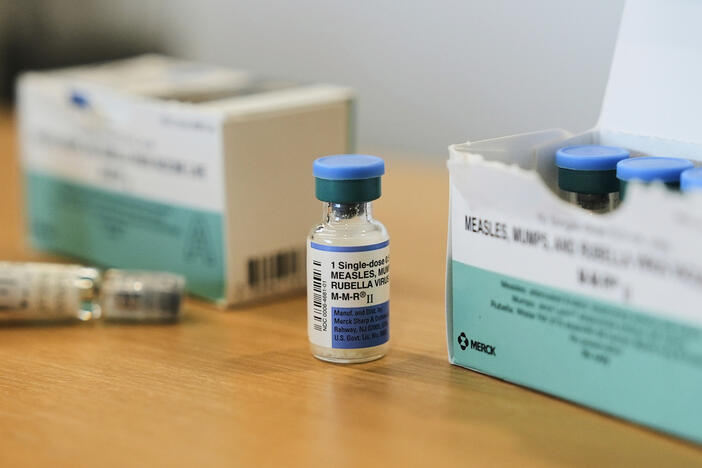
Against a backdrop of confusing messaging from the federal government, Georgia officials discussed who should consider getting a booster of the measles, mumps and rubella vaccine.
Vaccination eliminated measles from the U.S. 25 years ago. But it can still spread in pockets where vaccination rates are low, like the west Texas county with a current outbreak. Here's how fast.
As of Feb. 20, one school-aged child died of measles and a total of 93 measles cases were reported by eight jurisdictions: Alaska, California, Georgia, New Jersey, New Mexico, New York City, Rhode Island and Texas.
The Georgia Department of Public Health (DPH) has confirmed two additional measles cases in unvaccinated metro Atlanta residents. These two cases are family members of the case confirmed earlier this year in January.
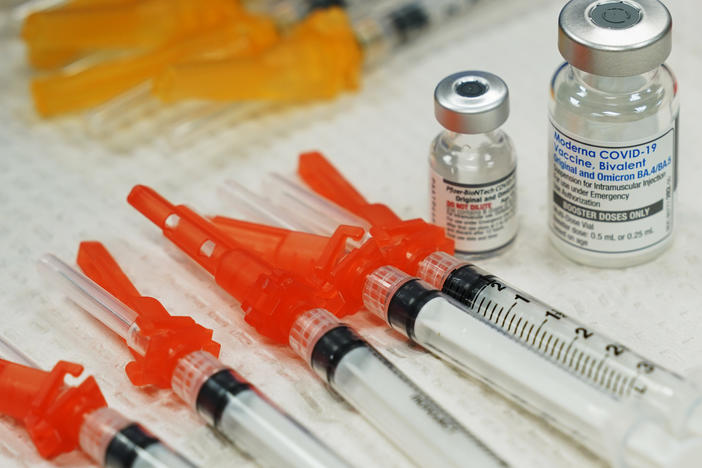
Public health officials want more Americans to get the latest COVID vaccine booster. Only 35% of people over 65 have gotten the shot, though 75% of COVID deaths are among people in this age group.