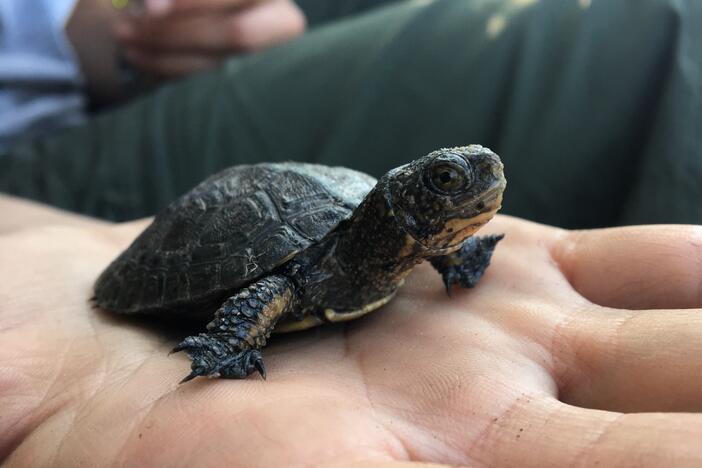
The huge amphibians "will literally just feed on anything that fits into their mouth" — including turtle hatchlings. Clearing thousands of frogs from ponds helped other species stage a comeback.
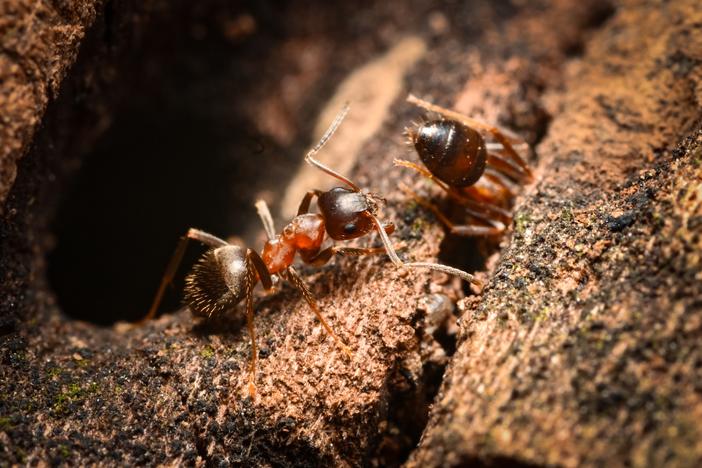
As the weather warms up and you spend more time outdoors, keep an eye out for the Asian needle ant, an invasive species of ant that can cause serious problems in your yard.
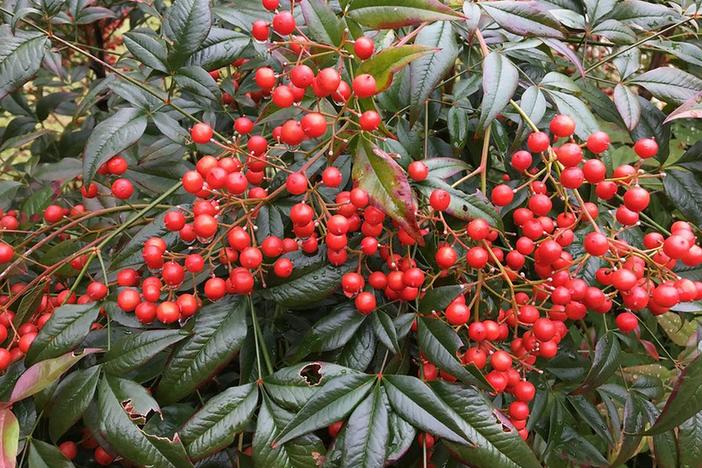
Winter is often full of muted, dull colors and frigid temperatures. But one common yard bush brings the color back into the dreary season — though it's also toxic to certain wildlife and humans.
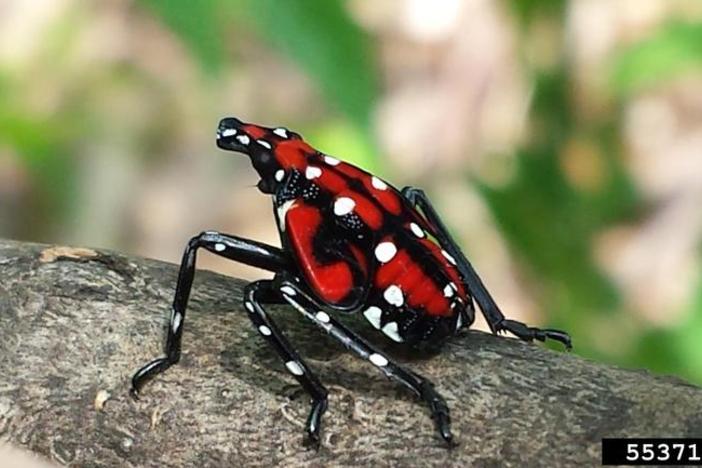
On Thursday, Nov. 14, the United States Department of Agriculture confirmed with the Georgia Department of Agriculture the first detection of an invasive plant hopper known to risk Georgia’s agriculture in Fulton County in October.
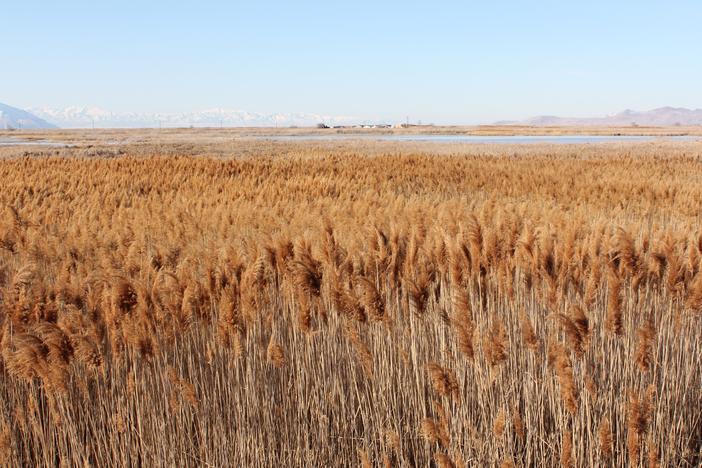
Wetlands managers have spent years using fire and chemicals to fight phragmites, an invasive reed that chokes everything else out. But coaxing beneficial native plants to move back in is difficult.
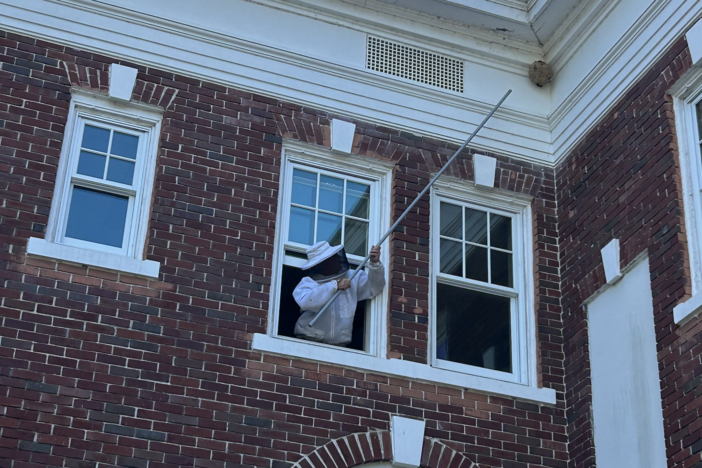
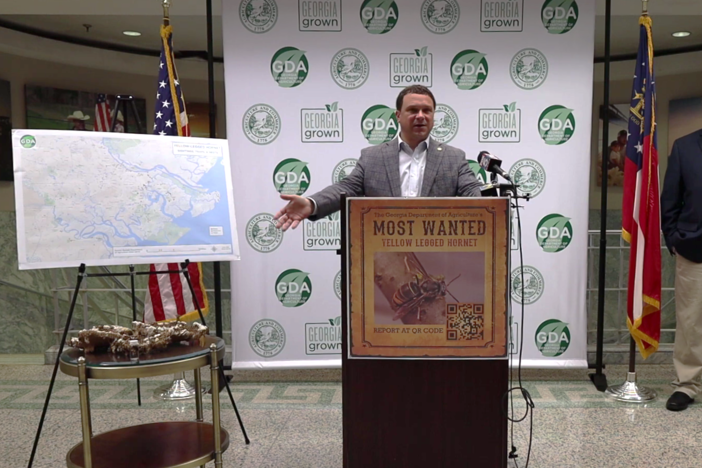
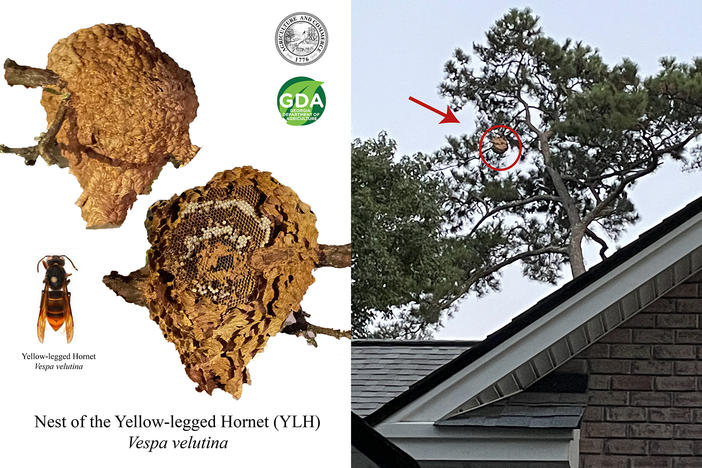
The Georgia Department of Agriculture has put up nearly 1,000 hornet traps on Georgia's coast, hoping to eradicate the invasive species that preys on bees.
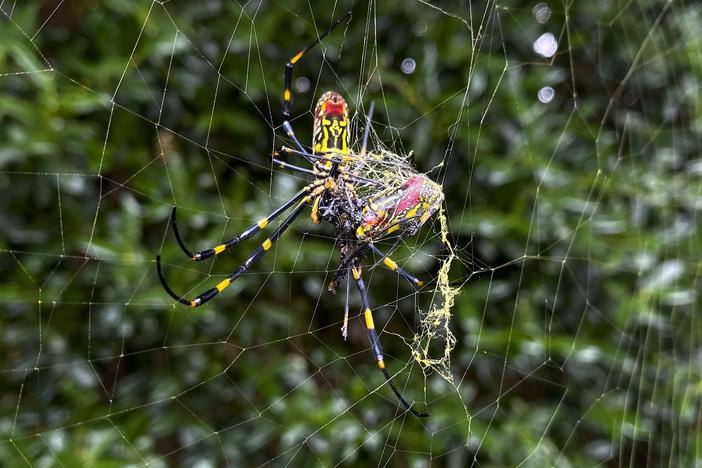
Researchers say the creatures pose little threat to humans but they are concerned about the growing prevalence of invasive species — a problem made worse by global trade and climate change.
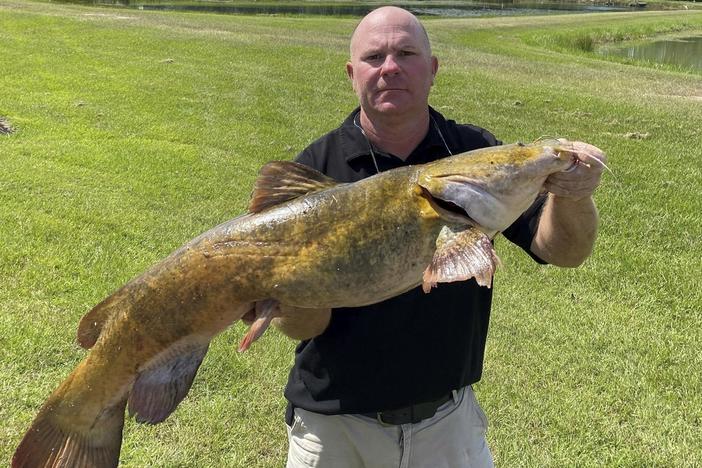
State officials warn that flathead catfish are invading another Georgia river, sparking fears that the predator will threaten native fish included the prized redbreast sunfish.
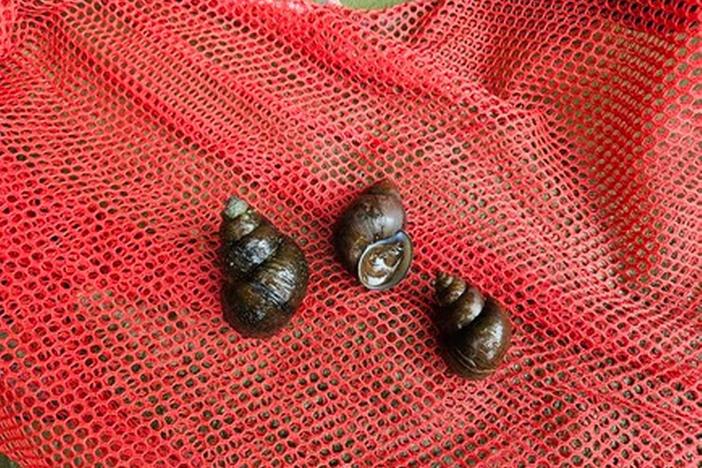
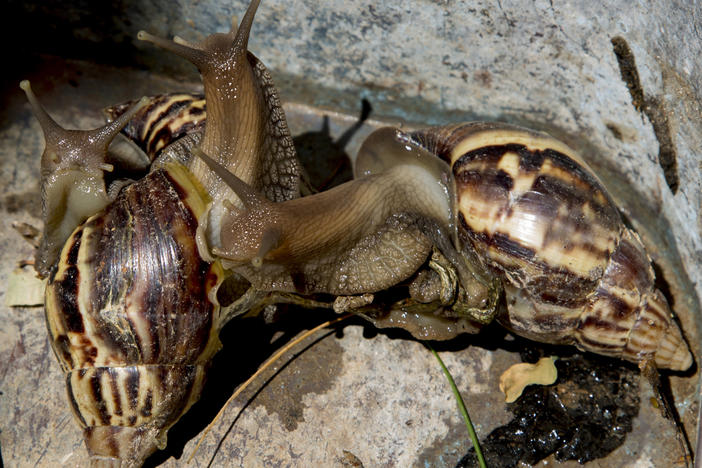
The state is moving quickly to destroy the snails before the snails destroy Florida's crops. The snails contain both male and female reproductive organs and lay up to 500 eggs at a time.
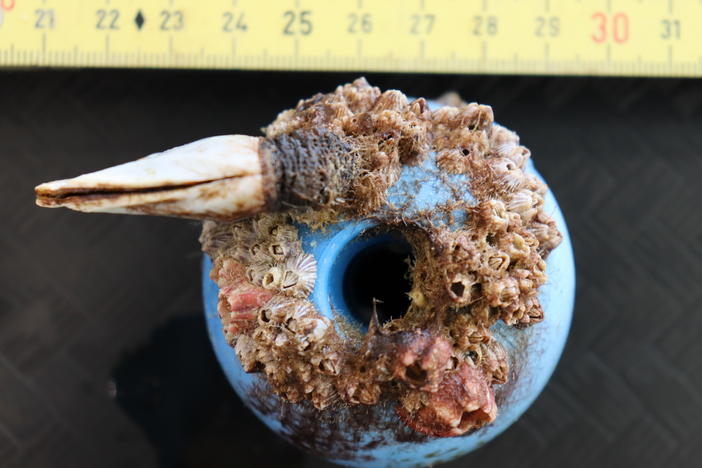
A study of plastic trash hauled out of the Pacific Ocean found that most of it had been colonized by coastal life that was thriving right next to species that normally live in the open sea.