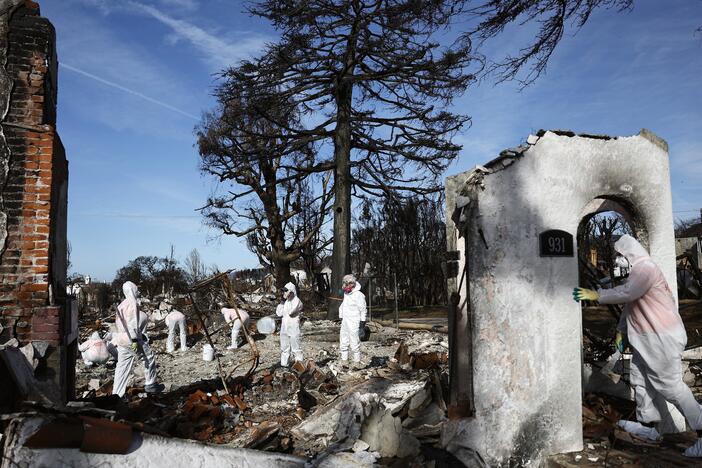
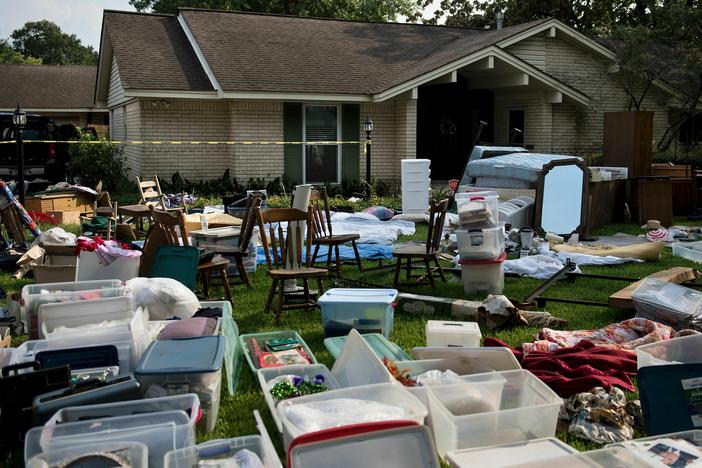
Insurance costs are soaring, and coverage is hard to find in some parts of the United States. Communities say insurers are ignoring their efforts to confront the problem.
We are back to answer your listener questions. On today's show, we explain reverse mortgages and their risks, why insurance has gotten so expensive, and whether there's a catch to charitable donations at the store.
If you have a question you'd like us to answer, email us at indicator@npr.org.
Related episodes: When insurers can't get insurance (Apple / Spotify)
Are we counting jobs right? We answer your listener questions (Apple / Spotify)
When mortgage rates are too low to give up (Apple / Spotify)
For sponsor-free episodes of The Indicator from Planet Money, subscribe to Planet Money+ via Apple Podcasts or at plus.npr.org.
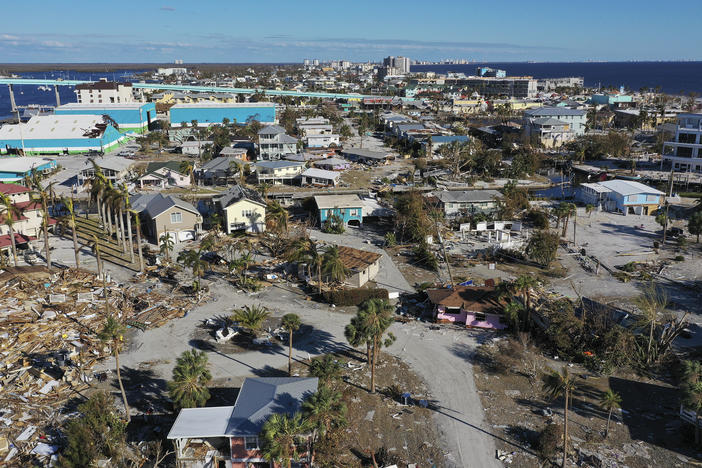
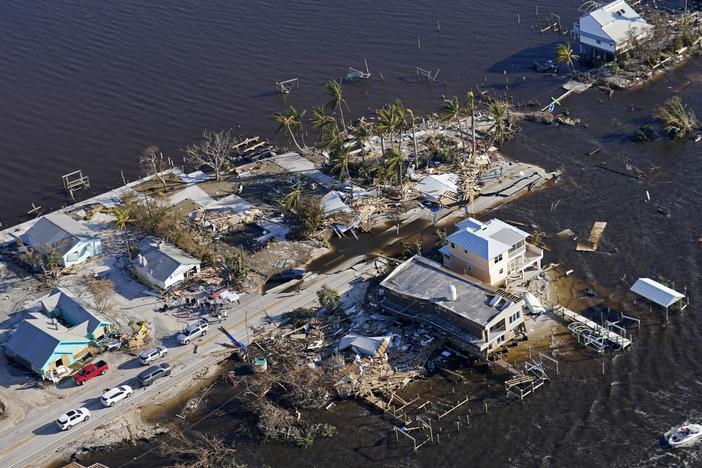
Homeowners in Florida, like other states, are seeing their home insurance rates soar. Multibillion-dollar disasters like hurricanes, tornadoes and wildfires have led insurers to hike premiums.
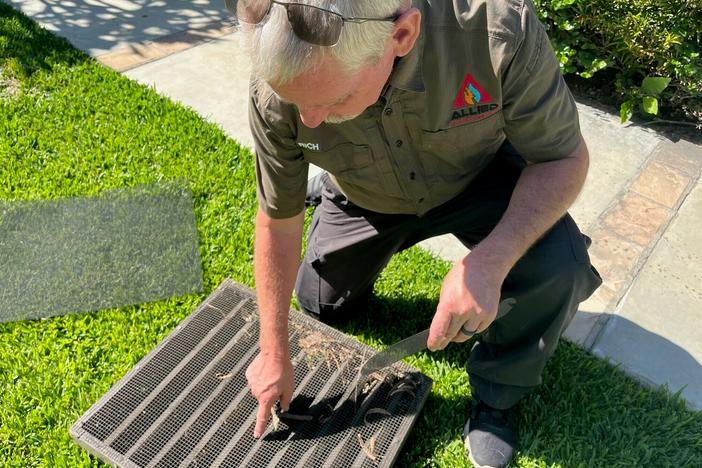
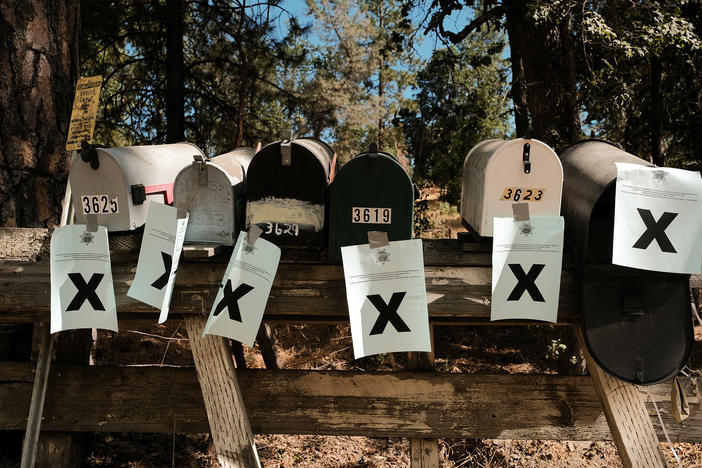
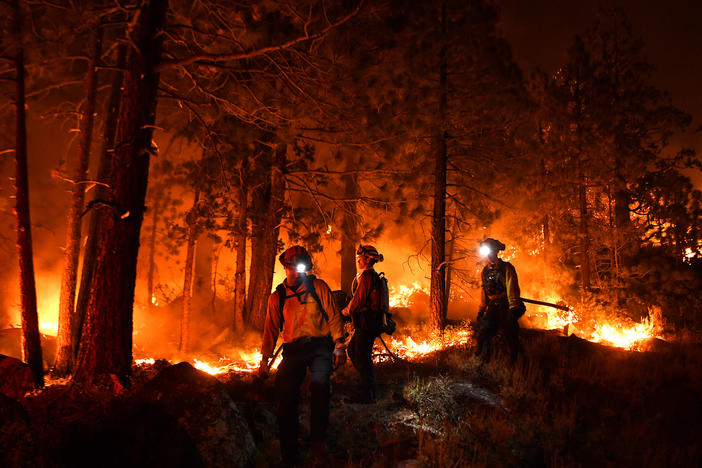
Climate change, technological leaps, panicked insurers, the shifting sense of responsibility: All are powering the still-nascent, but fast-growing industry of preparing homes for wildfires.
It's increasingly expensive and difficult to get home insurance, as losses rise from climate-driven disasters such as wildfires and hurricanes. And the solutions aren't always politically popular.
Floods, wildfires, heat waves and hurricanes cause billions of dollars of property damage each year. Can federal climate scientists help the insurance industry keep up?