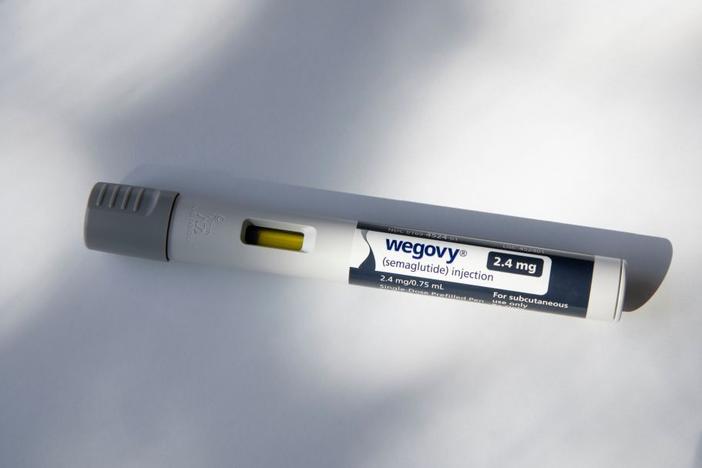
Drugs like Zepbound and Wegovy are intended for people who are overweight. Some patients are using them after bariatric surgery to keep pounds from creeping back. Others may just want to lose a few pounds.
As doctors learn why GLP-1s don't work for about 50% of people, they are also learning more about the complex drivers of obesity. They foresee a future of personalized obesity medicine similar to the way cancer is treated now.
A recent analysis of 19 million people who have used GLP-1 medications suggests the rise in these prescriptions between 2010 and 2024 aren’t solely driven by clinical need.
Instead of struggling with weekly injections, patients may soon be able to swallow a daily pill to lose weight. Both the makers of Wegovy and Mounjaro are seeking FDA approval for tablets.
The Gallup National Health and Well-Being Index shows that GLP-1 weight loss drugs are having an effect: The U.S. obesity rate is at 37%, down from 39.9%.
Former FDA chief Dr. David Kessler says the new weight-loss drugs are a powerful tool to fight obesity. But they come with pitfalls. Here's his tips for how to use them successfully.
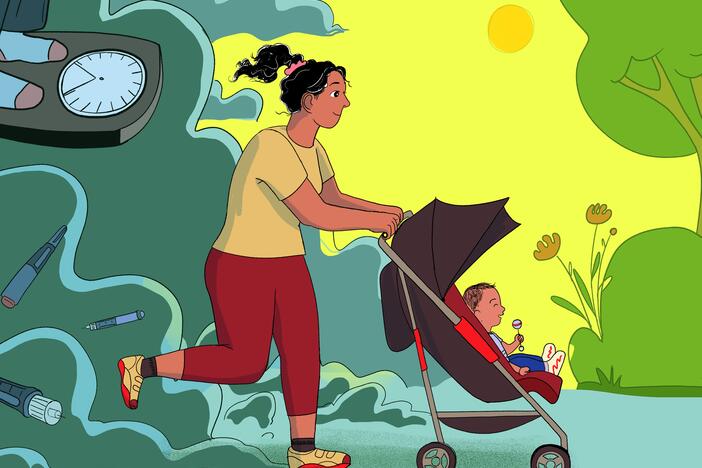
Taking the drug made one writer feel so sick she quit and focused on healthy habits instead of her body size. Turns out, 65% of people using GLP-1 drugs for weight loss quit within a year.
A telehealth company partnered with a pharmacy that lacked a required license, raising doubts about the safety and efficacy of the weight-loss medicines it mailed to patients.
Several new studies find promising evidence that the GLP-1 class of drugs may have a cancer-preventive effect, especially for cancers linked to obesity.
Popular weight-loss drugs mimic GLP-1, a hormone the body makes naturally after eating. Turns out some foods trigger GLP-1 better than others, making us feel full and eat less.