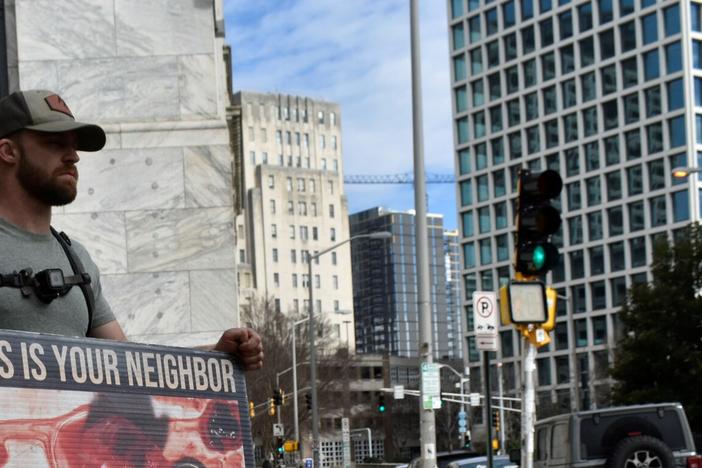
Many Americans worry freedom of speech is fading, while others feel empowered to say what they want. NPR's Morning Edition explores this dynamic in a new series, The State of the First Amendment.
NPR wants to know who is feeling more and less free to exercise their free speech rights in this moment. Have you found yourself letting loose more under President Trump or are you holding back?
Like it or not, free speech includes protection for most lies and false statements, and there is no broad exception for dishonesty. As the election mud-slinging grows increasingly vile the closer Nov. 5 draws, First Amendment issues arise, of which there are few exceptions.
The Justice Department is expected to argue that its clamp down on TikTok is about national security, but Constitutional lawyers say there is no way around grappling with the free speech implications.
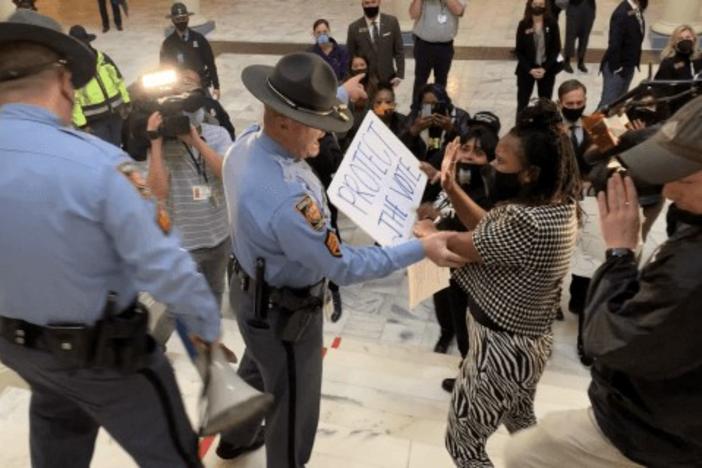
The Georgia Supreme Court heard arguments Wednesday in the case of two Democratic elected officials arrested while protesting at the state Capitol. Lawyers representing Congresswoman Nikema Williams and Atlanta state Rep. Park Cannon said the laws used to arrest them are vague, overbroad and violate their free speech rights under the state constitution.
Under a judge's new ruling, much of the federal government is now barred from working with social media companies to address removing any content that might contain "protected free speech."
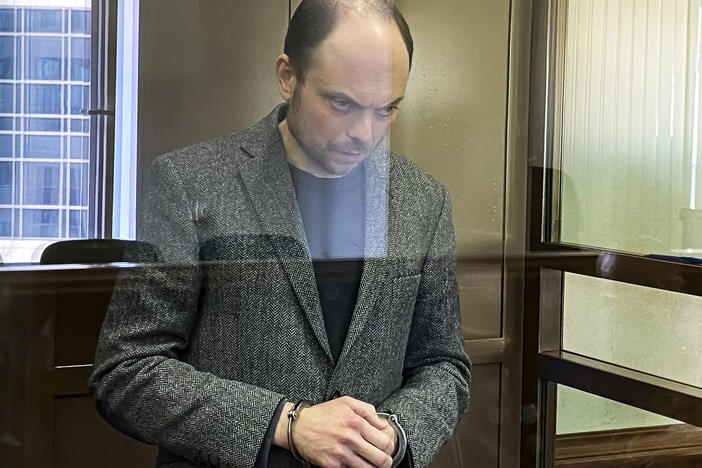
NPR's Scott Simon draws parallels between Vladimir Kara-Murza, a Russian dissident and journalist who was sentenced to 25 years in prison this week, and other courageous figures in history.
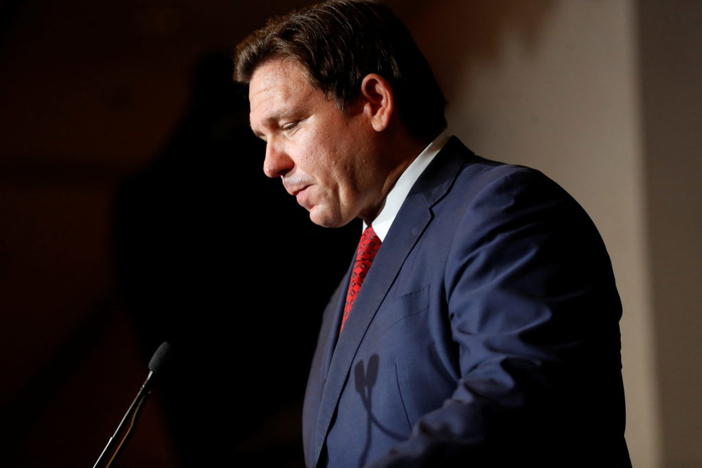
Thursday on Political Rewind: Fox News hosts spread election conspiracies they knew were false. Florida Gov. Ron DeSantis is trying to overturn laws that shield journalists from lawsuits. In Georgia, reporters battle the state's open record process. Our panel speaks on the problems facing the press.
NPR and The New York Times are seeking to convince a Delaware court to unseal documents to see whether Fox News defamed Dominion Voting Systems over claims of fraud in the 2020 presidential race.
Most new laws traditionally take effect in Georgia on July 1. But this year, many of the most important measures became law as soon as Republican Gov. Brian Kemp signed them. Top measures beginning Friday include a raft of conservative-inspired school legislation, and an increase in lawmaker pensions.
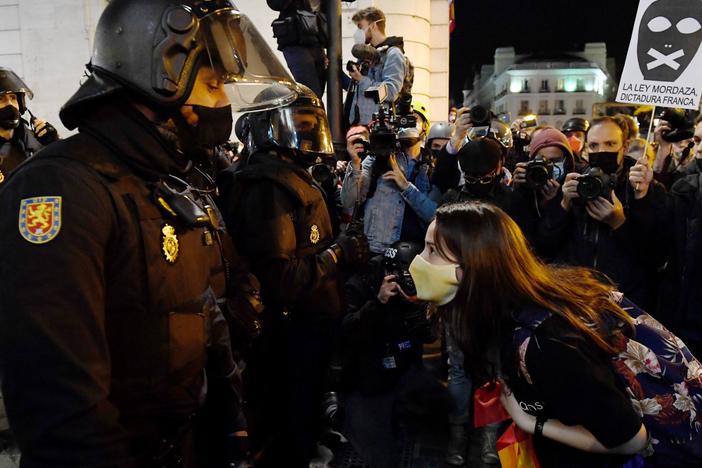
For the third day, protesters in Spain's major cities hit the streets calling for the release of Pablo Hasél, who was arrested for tweets critical of the monarchy and supporting Basque separatists.