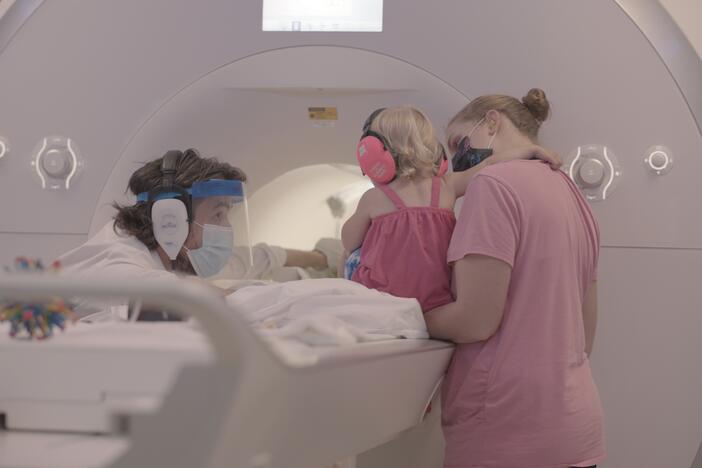
Why can't we remember when we were babies? Scientists who scanned infants' brains found that they do make memories. The findings suggest these memories may still exist, but are inaccessible to us.
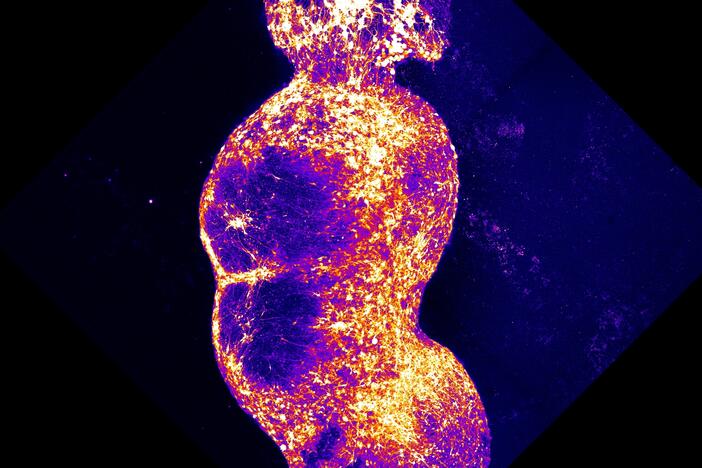
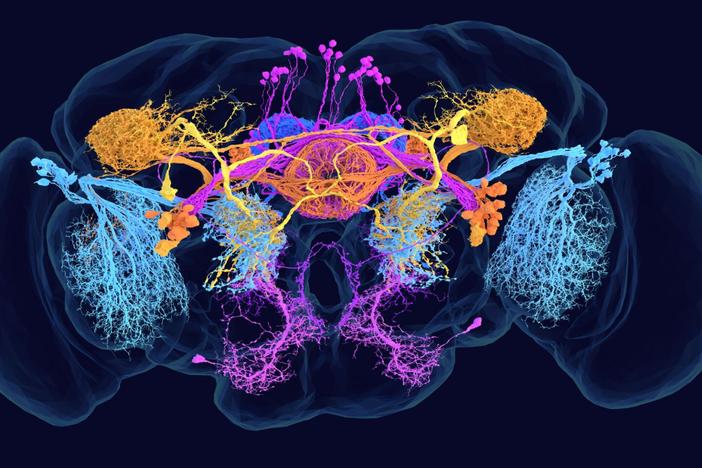
The first full map of an adult fruit fly’s brain shows 50 million connections between neurons. Researchers are using the map to learn how all brains work.
Presidential candidate Robert F. Kennedy Jr. spoke about a time when, as he put it, "A worm ... got into my brain and ate a portion of it and then died." Here's a global perspective on these worms.
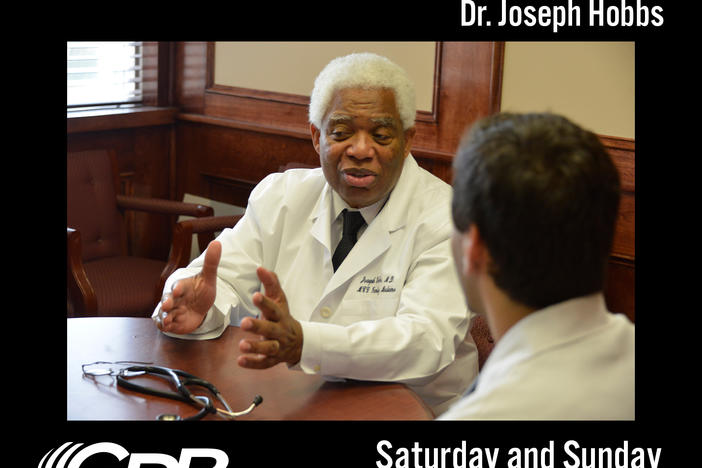
This week’s Medical Minute, discusses seizures experienced by Alzheimer’s patients and a novel peptide, which can be delivered via a nasal spray, that can tamp down this abnormal electrical activity and reduce resulting damage to brain cells.
This week’s Medical Minute, discusses a newly identified enzyme, called “HDAC9,” that helps the neurons in our brain communicate and allows us to learn and remember.
Scientists are trying to understand PTSD and other human disorders by studying emotion-related brain circuits in animals, which research suggests may have a lot in common with the human brain.
Grieving is a form of learning, says a scientist who studies the brain's response to loss. When someone you love dies, you have to learn new rules for navigating the world and your brain has to adapt.
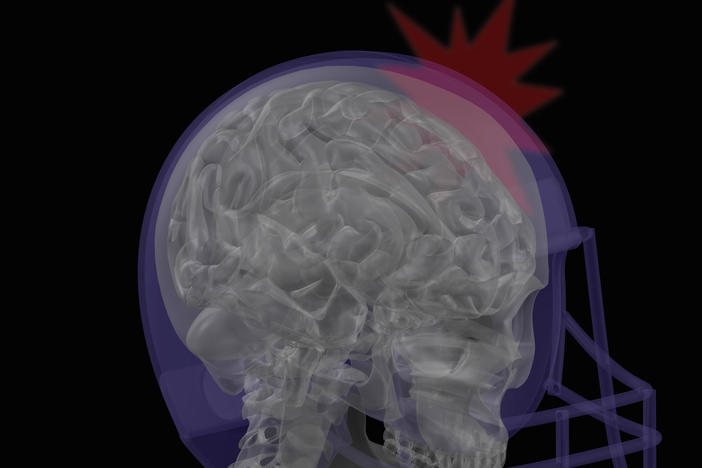
A concussion can make it difficult to converse in a noisy room. Scientists say that's because the injury has impaired the brain's ability to process sounds.