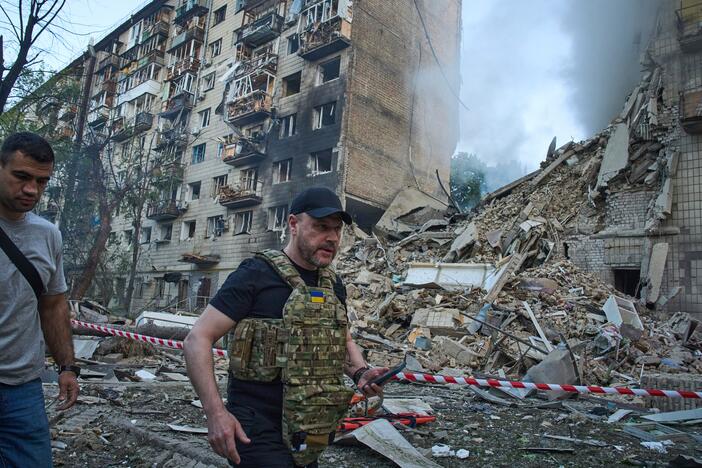
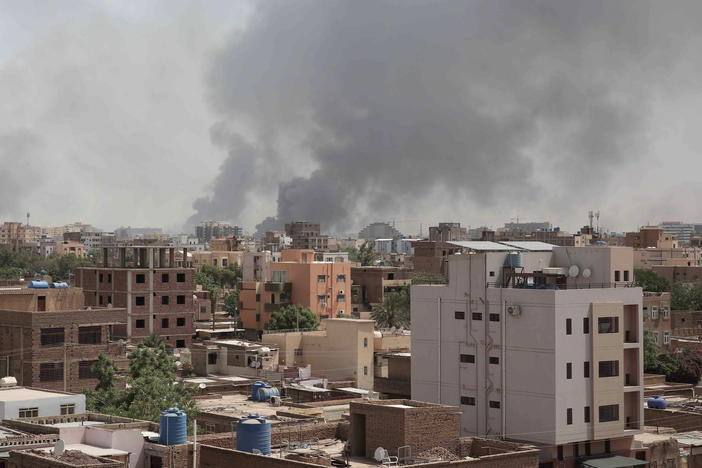
The attacks was one of the largest on Ukraine's capital in months. It came as President Volodymyr Zelenskyy prepared for the G7 summit in Canada, where he is pushing for stronger sanctions on Russia.
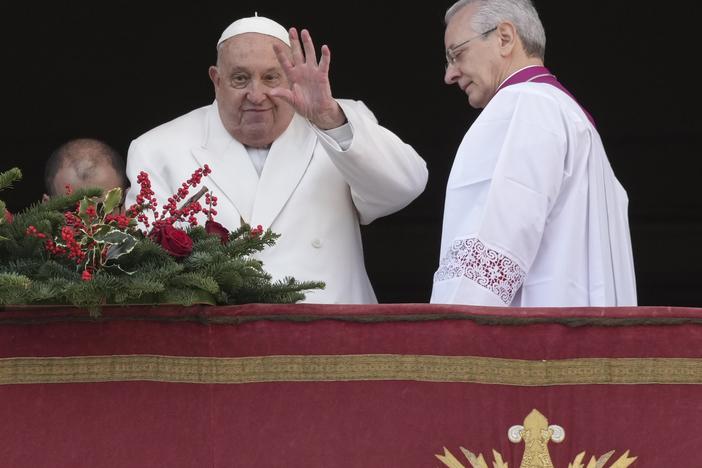
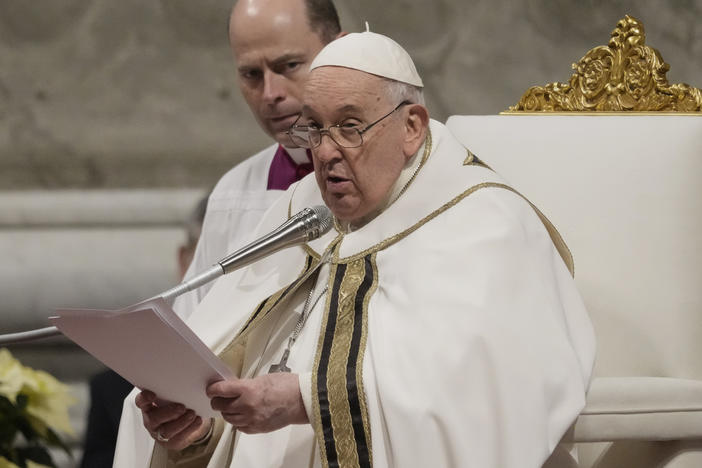
Pope Francis in his traditional Christmas message urged "all people of all nations" to find courage "to silence the sounds of arms and overcome divisions" plaguing the world, from the Middle East to Ukraine, Africa to Asia.
NPR steps back and takes a closer look at the days leading up to the killing of Hezbollah's leader. Experts say this development has transformed an already complex and deadly conflict.
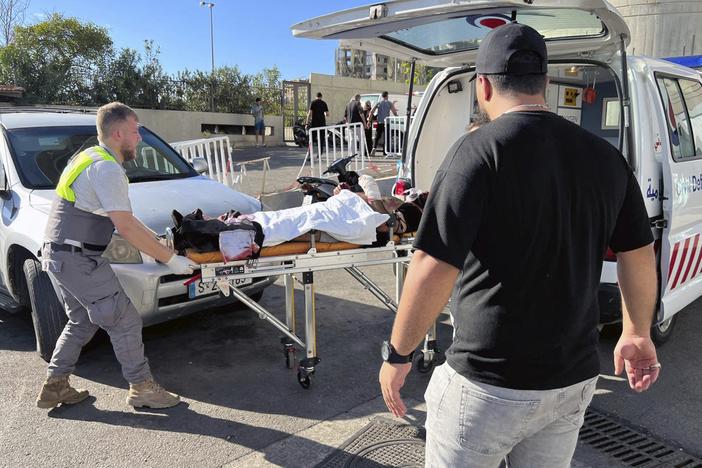
The attack raises fears of an escalation between Hezbollah and Israel, and comes following warnings from Israeli officials of possible military action against the Lebanese group.
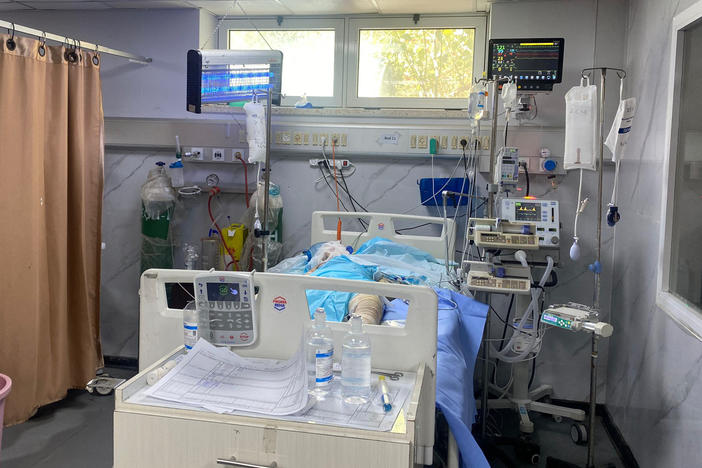
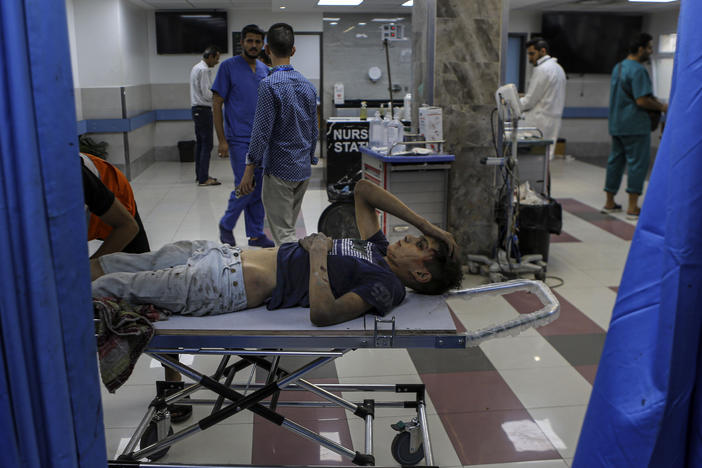
At the European Hospital in Rafah, there are shortages of pain medication, antibiotics, even bandages, American volunteers say they are unable to save lives — and unable to evacuate to safety.
Iran launched a barrage of more than 300 drones and missiles at Israel over the weekend, saying it was in response to an airstrike earlier this month that hit Iran's consulate in Syria and killed seven Iranian military officials, including two generals.
Israel neither confirmed nor denied responsibility for the Syria strike, though the Pentagon said Israel was responsible.
Sima Shine is a former senior Israeli intelligence official. She now runs the Iran desk at the Institute for National Security Studies in Tel Aviv. She says this attack is "crossing the Rubicon" from the point of view of Iran, and explains what Israel's retaliation could be.
For sponsor-free episodes of Consider This, sign up for Consider This+ via Apple Podcasts or at plus.npr.org.
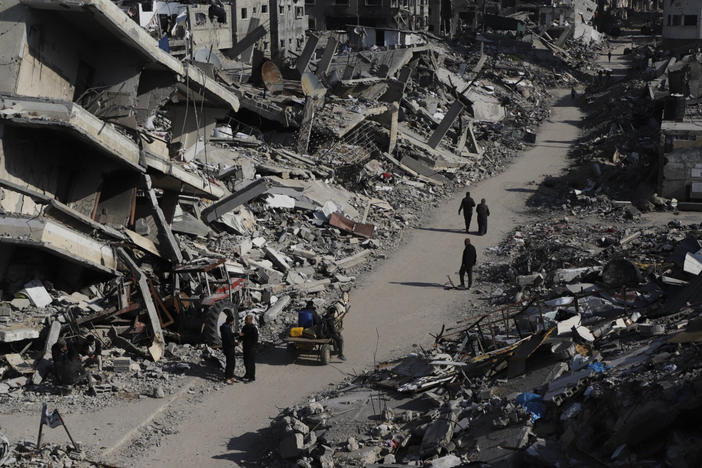
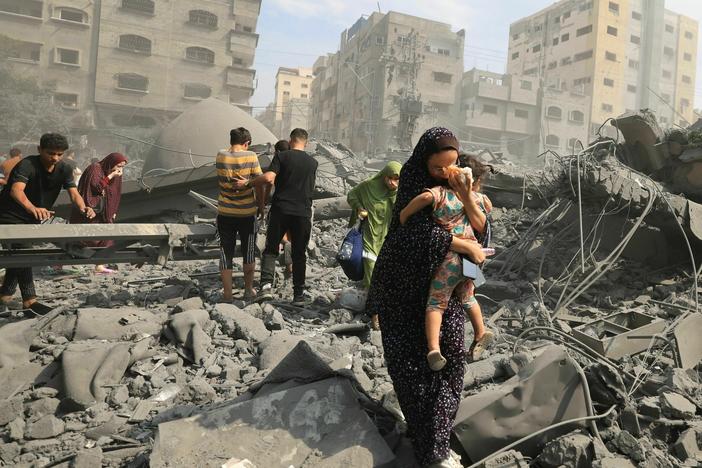
For months, Israeli Prime Minister Benjamin Netanyahu has been insisting that the goal of Israel's bombardment in Gaza is to "destroy Hamas."
But in the path of that destruction, more than 33,000 Palestinian civilians have been killed. Regular people, entire families, and more than 13,000 children.
Yet, it's not clear if Israel is any closer to its stated goal of destroying Hamas. In fact, is it possible that the horrors of this war could ignite a cycle of radicalization in the region?
For sponsor-free episodes of Consider This, sign up for Consider This+ via Apple Podcasts or at plus.npr.org.
"Conflict-related sexual violence" is as old as the Bible and as topical as current wars around the world. We talk to three experts about why it persists, why it's underreported and how to stop it.
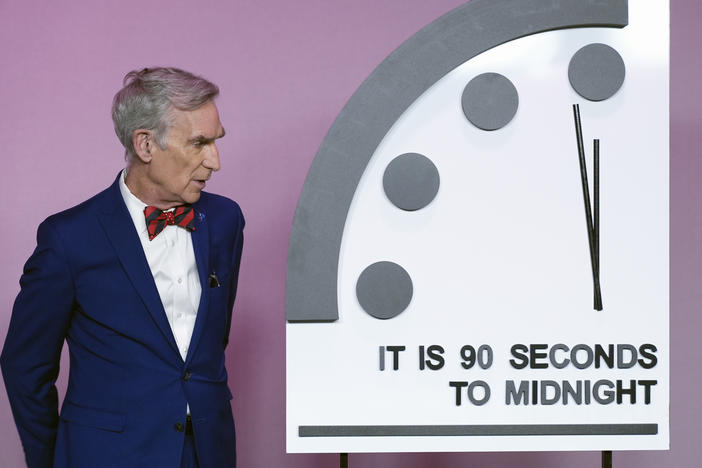
Earth, for the second year running, is nearing apocalypse, a science-oriented advocacy group said, pointing to its famous "Doomsday Clock" that shows 90 seconds till midnight.
In his Christmas Mass address Sunday, he said the word of God is being drowned out by the violence in Gaza. Pope Francis has called for a ceasefire multiple times since the war started on Oct. 7.
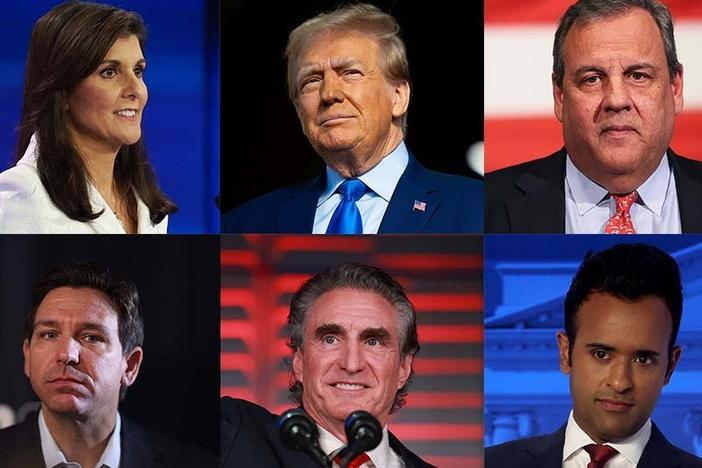
Foreign policy doesn't always make headlines in presidential campaigns, but with the U.S. involved in two foreign wars — and facing a rising adversary in China, voters are paying more attention.
Doomscrolling won't help the people who are suffering and it might put you into a state of chronic stress. A psychiatrist who works with trauma shares advice for how to process global tragedy.
More than 200 medical personnel have been killed since the war started. Their colleagues say there's been no time to mourn.In that spirit, doctors shared details about the lives that were lost.