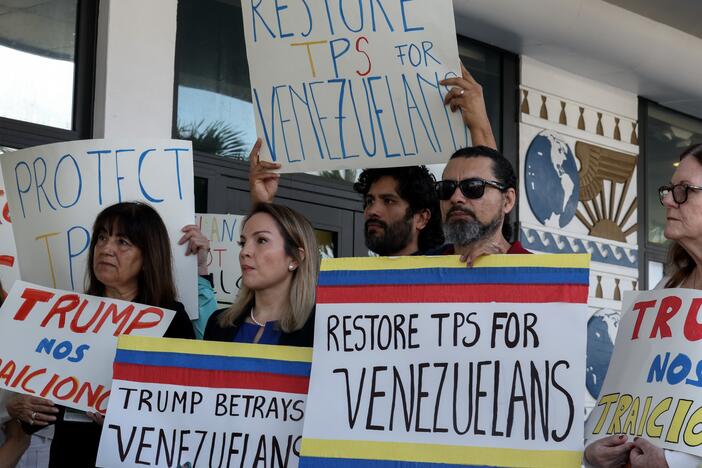
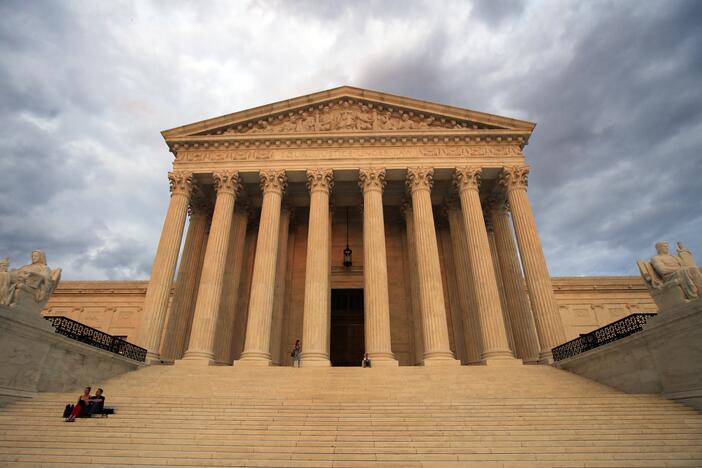
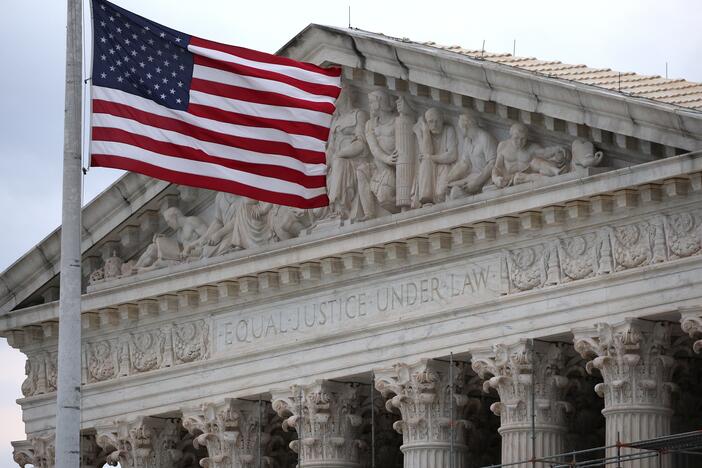
When the U.S. Supreme Court said Monday the Trump administration could strip legal protections from 350,000 Venezuelans while litigation continues in the lower courts, the move sent shockwaves.
The Trump administration, U.S. District Judge Fernando Rodriguez, Jr., ruled, does not "possess the lawful authority under the (Alien Enemies Act), and based on the Proclamation, to detain Venezuelan aliens, transfer them within the United States, or remove them from the country."
In a brief order, the court directed the Trump administration not to remove Venezuelans held in the Bluebonnet Detention Center in Texas "until further order of this court."
The order marks a win for the Trump administration, even if temporary, and it could well be a harbinger of things to come as the administration continues to clash with federal courts.
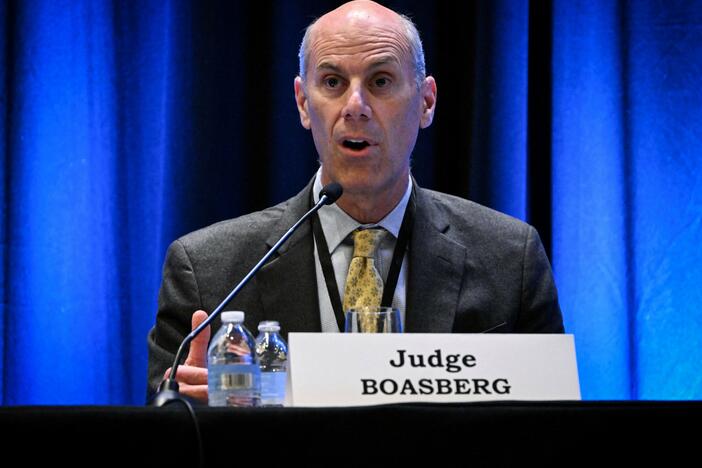
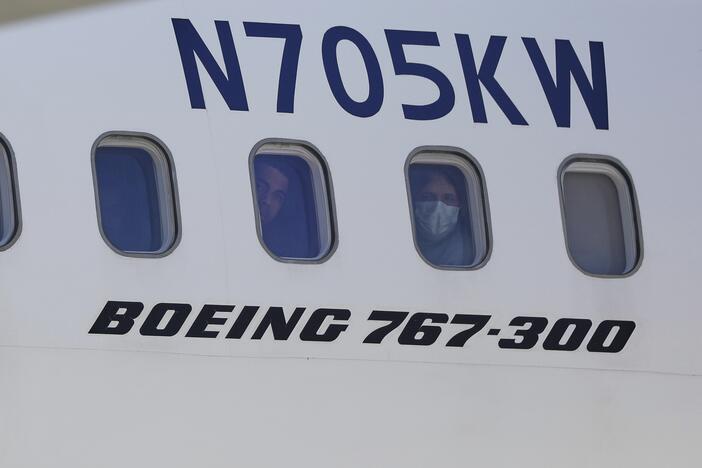
U.S. District Judge James Boasberg Thursday pushed, once again, the Justice Department to explain its use of the Alien Enemies Act and provide key details and the timeline of the flights.
A federal judge on Monday paused plans by the Trump administration to end temporary legal protections for hundreds of thousands of Venezuelans, a week before they were scheduled to expire.
Flawed deportation 'checklist' targets Venezuelans using tattoos as one gang identifier. But experts say Tren de Aragua doesn't use tattoos for member identification.
The American Civil Liberties Union and Democracy Forward sued the Trump administration over its use of the wartime law to quickly deport people, which they say violates due process.
The Department of Homeland Security's new policy, revoking legal protections for hundreds of thousands, impacts people who are already in the U.S. and who came under a humanitarian parole program.
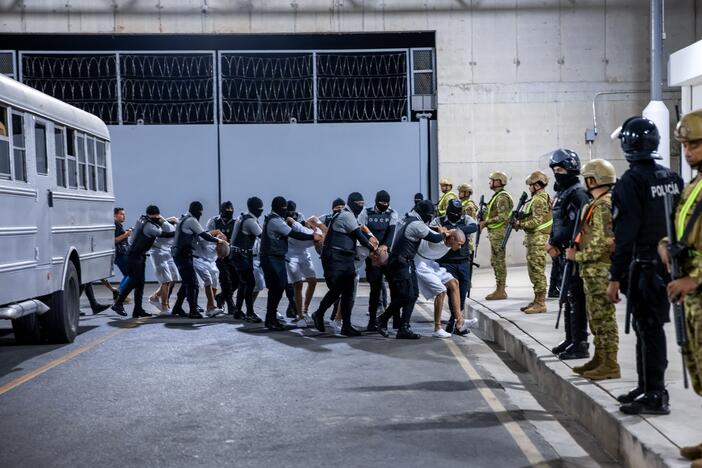
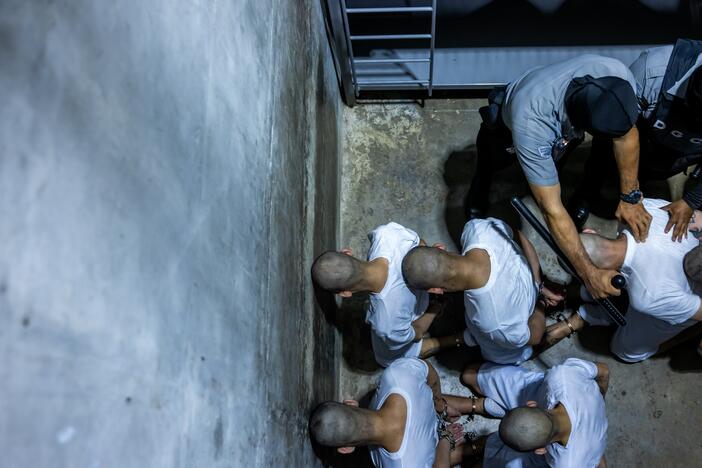
NPR talked to the families of four men believed to be in El Salvador. None of them had a serious criminal record in the U.S. Only some had been charged with illegal entry. Three had signed their voluntary departure.
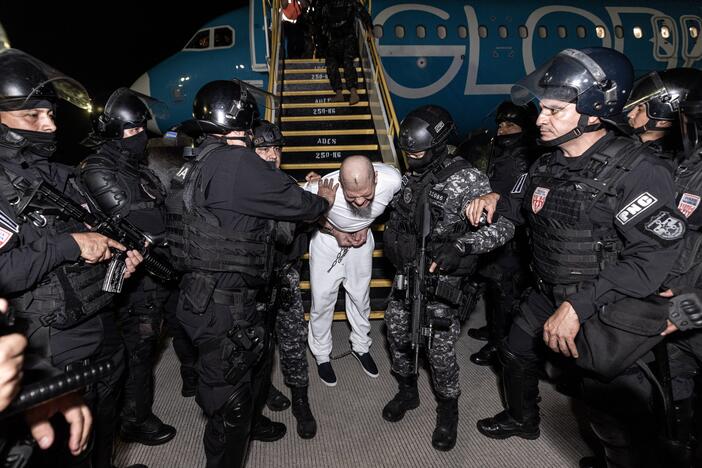
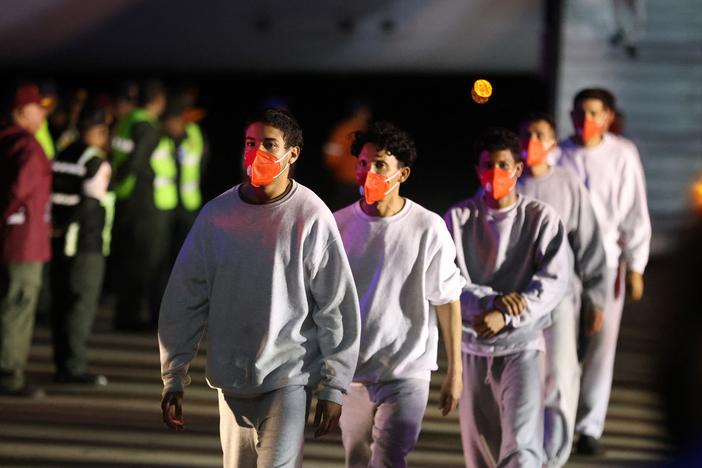
Trump administration lawyers defended the weekend flights that deported hundreds of alleged Venezuelan gang members despite a federal judge's order to turn the planes around.
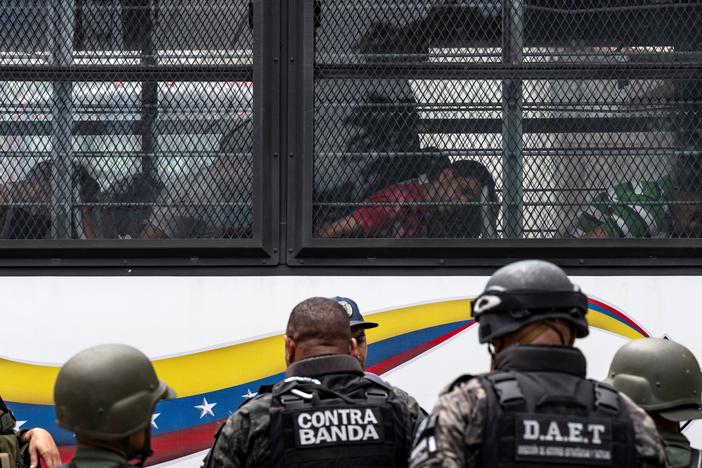
The Trump administration has invoked a 227-year-old law, the Alien Enemies Act, to target Tren de Aragua, a gang with its roots in the prisons of Venezuela. Who are they and how wide is their reach?
Trump's accused the government of Venezuelan President Nicolás Maduro of not meeting democratic conditions for last year's July presidential election as well as of not moving fast enough to transport back immigrants set for deportation.
The men told NPR they were kept in the dark about why they were in Guantánamo Bay, and were denied access to an attorney or a phone call with loved ones.