Some of China's America watchers see opportunities for their country in the United States' retreat from international institutions. Others see distractions and pitfalls.
Chinese business people may be able to find creative ways to avoid U.S. tariffs, but for Beijing, its concerns for the incoming Trump presidency go beyond trade.
The State Department said that 68-year-old David Lin is coming home after being arrested in China on vague contract charges that he and his family deny. He had been jailed there for 18 years.
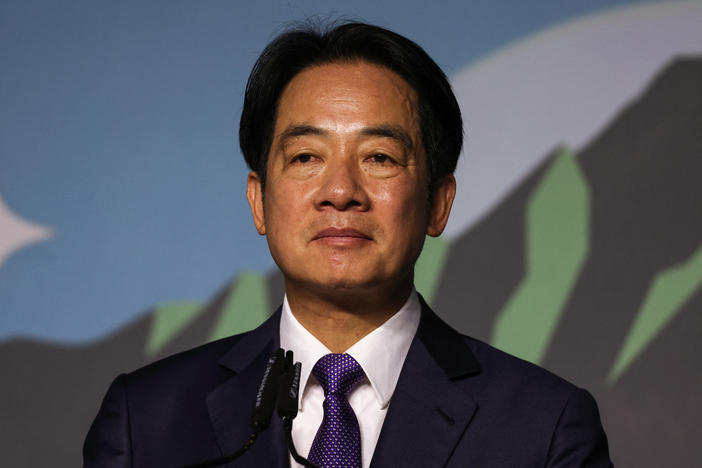
Taiwan's vice president and candidate of the ruling Democratic Progressive Party, Lai Ching-te, will be the island's next leader. Tensions with Beijing seem poised to rise.
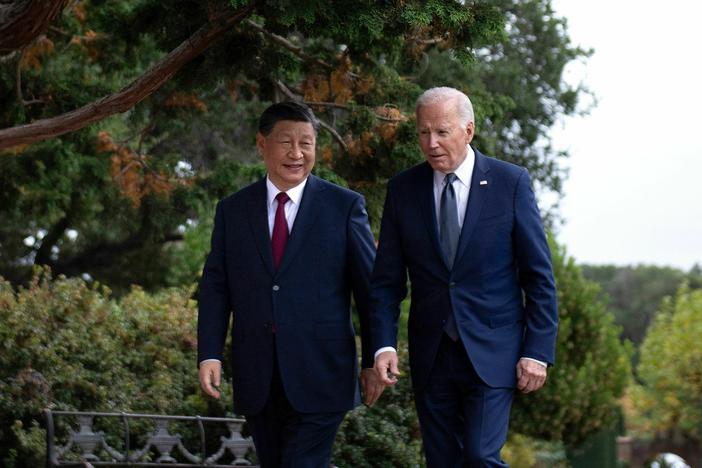
China's president says success for the U.S. and China can be mutually beneficial. U.S. Commerce Secretary Gina Raimondo says that the reality is a bit more complicated than that.
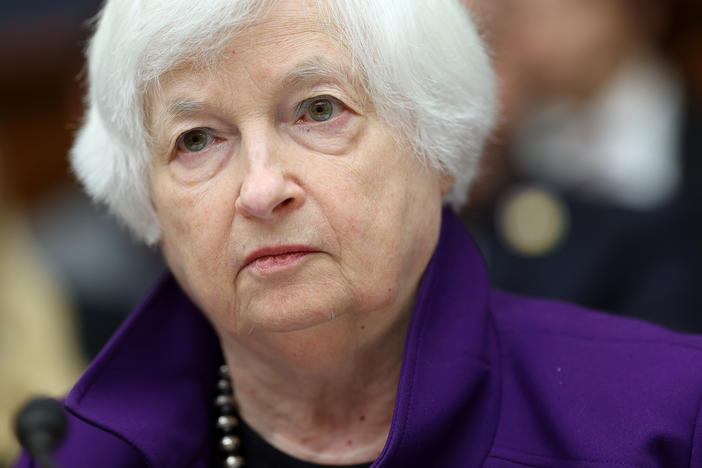
Treasury Secretary Janet Yellen is on her way to Beijing for talks with her Chinese counterparts. The meeting comes at a tense time, with tit-for-tat trade restrictions and rising strategic frictions.
Kim, who sits on the House China panel, disagrees with its chair's characterization of the rivalry. He hopes that Secretary of State Antony Blinken's visit will mean more regular talks with China.
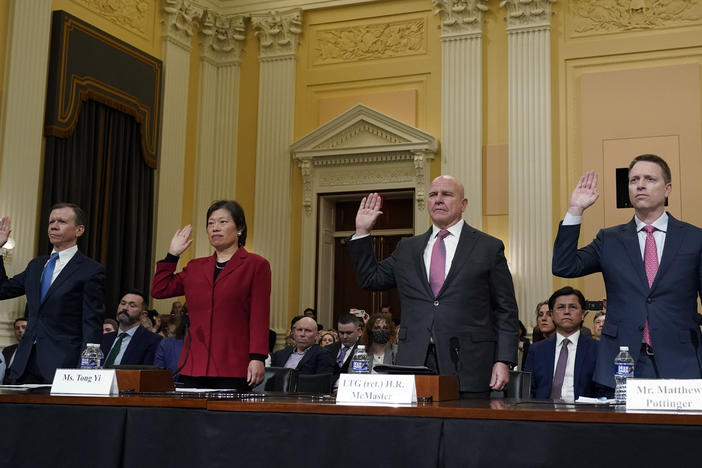
Lawmakers at Tuesday's hearing on U.S.-China competition discussed a range of threats, including China's foreign farmland holdings. A South Dakota congressman argues even a small amount is concerning.
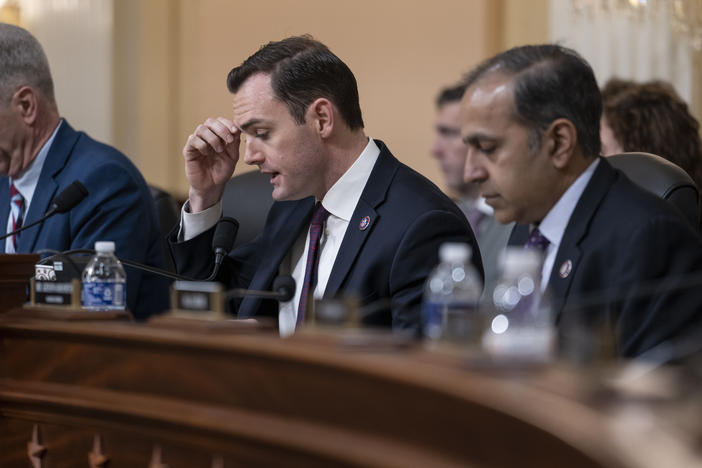
Reps. Mike Gallagher and Raja Krishnamoorthi, leaders of the House select committee focused on the threat of China, say raising awareness of human rights abuses is a crucial first step.
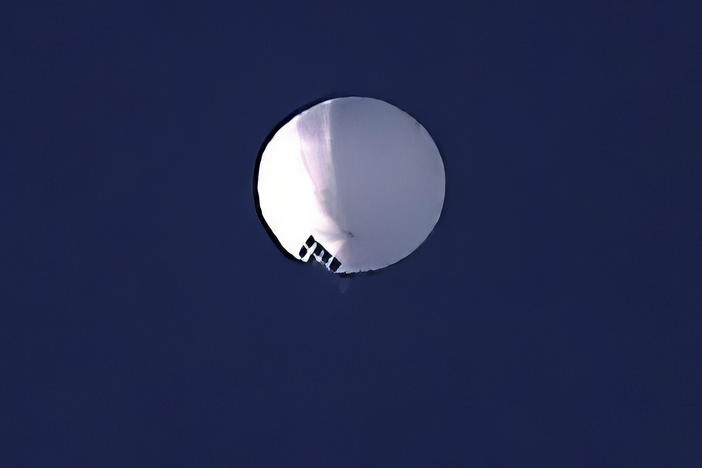
China's foreign ministry described the balloon as "a civilian airship" for meteorological research that had blown far off course by winds. The Pentagon suspects it's collecting sensitive information.