This week's discourse has revolved around the so-called "Gen Z stare" in professional and retail environments. But what are people really talking about?
TikTok researchers and users say there is yet another type of deception to look out for on the hit video app: deepfake videos that copy the exact words of a real creator but in a different voice.
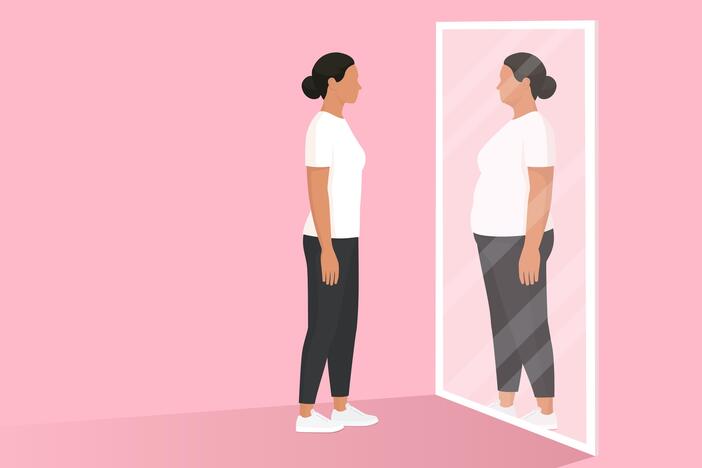
The social media platform TikTok recently banned a hashtag called #SkinnyTok after European regulators warned it was promoting extreme weight loss. But eliminating this kind of content is not easy.
Last year, Congress banned the app in the U.S., citing national security concerns and demanding it spin off from its Chinese owner, ByteDance. Trump has again paused enforcement of the ban.
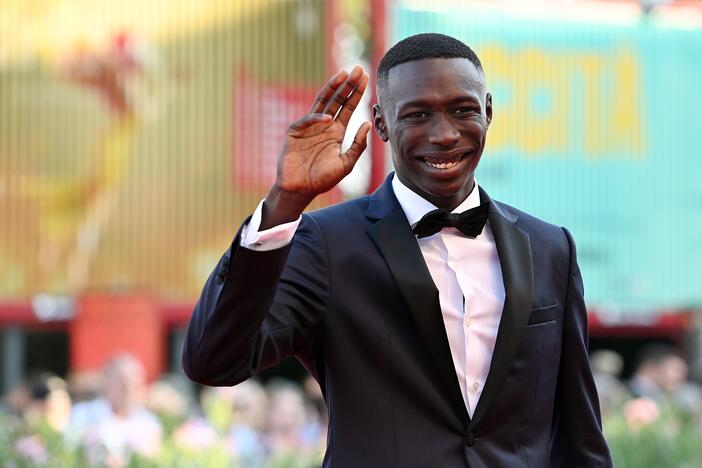
Lame, 25, produces nearly silent videos that have made him the most-followed personality on TikTok. But U.S. officials say Lame, an Italian citizen, overstayed his visa earlier this month.
It's a slow week on the Billboard charts, but Jack Black breaks a surprising record on the chart. Plus, rapper Doechii lands her first top 10 album and Alex Warren's "Ordinary" continues to move up the Hot 100.
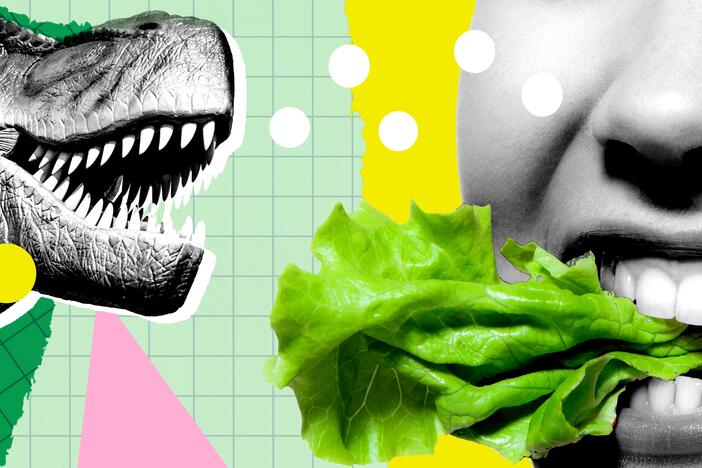
On social media, people are gobbling up greens like they are giant primeval beasts. Nutritionists say it's not a bad way to get more fiber and micronutrients in.