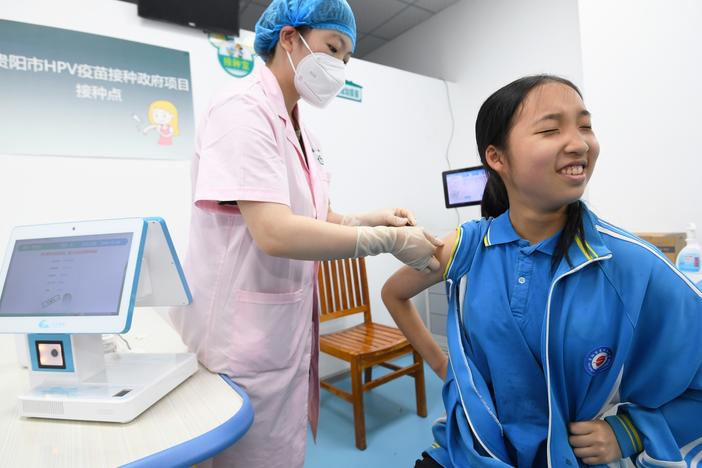
Now that the World Health Organization has endorsed a one-dose vaccine, global health groups are amping up their effort to inoculate the world's girls. How are they doing?
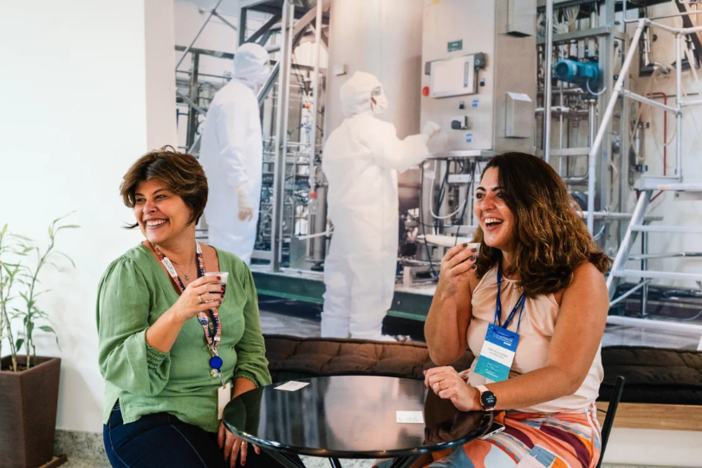
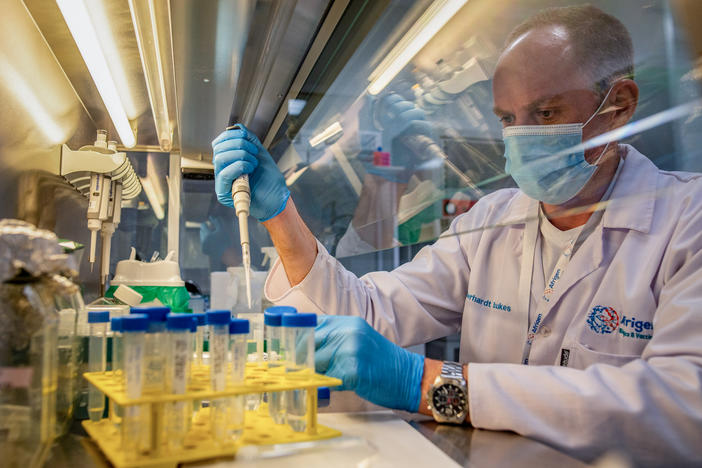
Frustrated when Brazil could not get COVID vaccines, two Brazilian doctors (who have been best friends since college) decided to invent their own version and offer up the patent essentially for free.
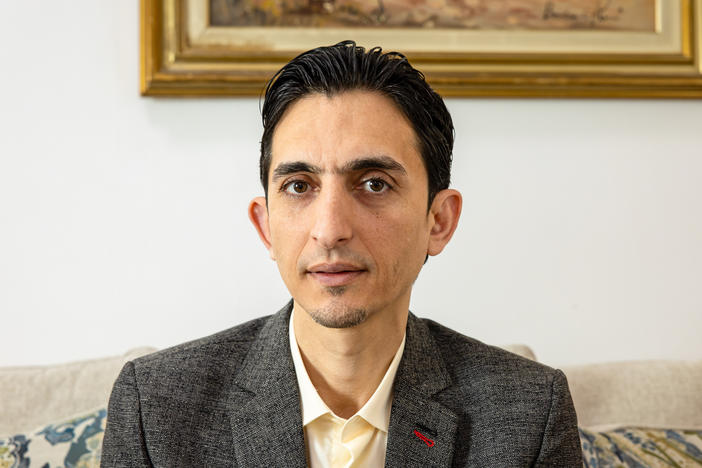
Husam Abukhedeir, the chief neurosurgeon at Al-Shifa Hospital, helped the injured, watched many died, including his sister, then knew what he had to do to protect his family. How is he faring today?
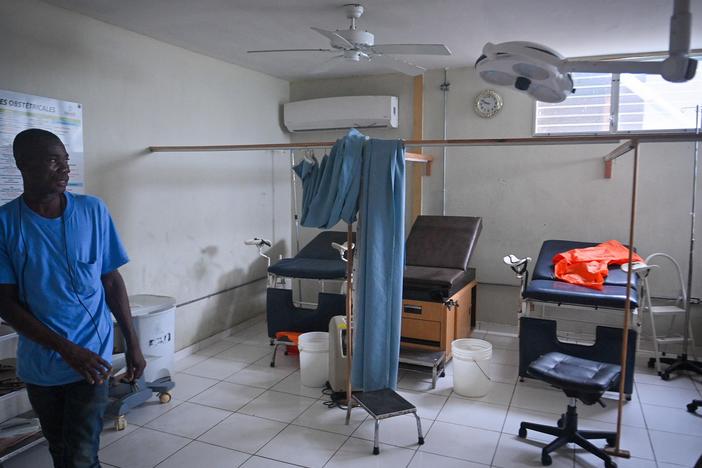
How do you get a cancer patient to a center that provides treatment when the roads are not safe? That's one of the challenges facing health-care providers in gang-eidden. Haiti. How are they doing?
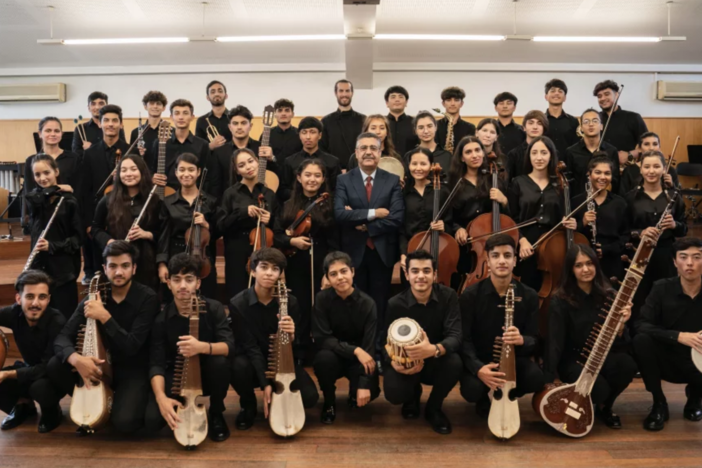
Nearly 300 young musicians, their teachers and staff from their music school fled Afghanistan in fear for their lives as the Taliban took power. NPR caught up with them during their U.S. tour,
Skateboarding women of Bolivia wear Indigenous garb to pay homage to the strength of their mothers and grandmothers. Their motto: When you fall, you have the power to get back up.
We catch up with Sahat Zia Hero, a winner last year of the Nansen Refugee Award for "outstanding work" helping displaced people. He is still making pictures: "This is a tough life."
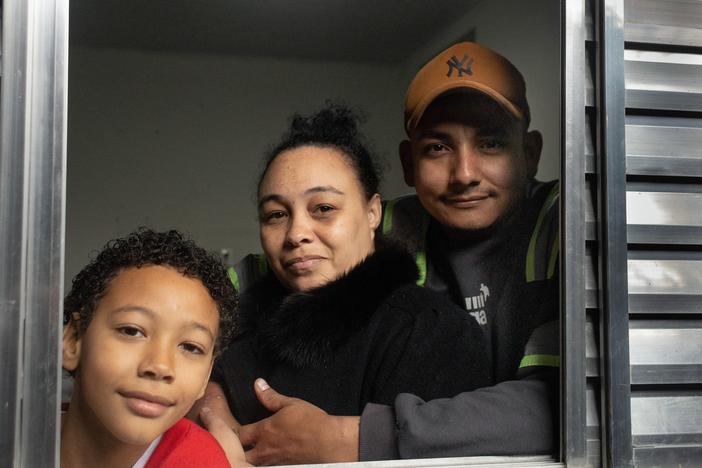
With no work, home, car or food due to the pandemic, the couple in Sao Paolo, Brazil, struggled to survive. Then they got a tiny house. How are they doing today?
Lower-income countries did not get the COVID vaccines they needed. So the World Bank and other partners tapped a South African company to cook up the (undisclosed) recipe for the Moderna mRNA vaccine.
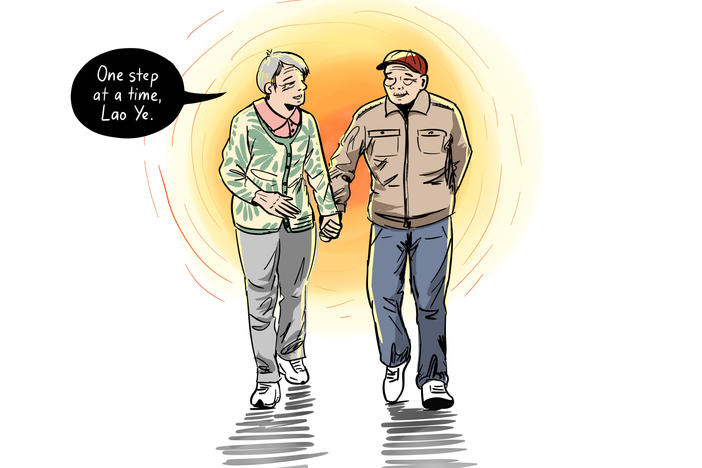
In 2020, Laura Gao hoped to visit her birthplace, Wuhan, to see her grandparents. The coronavirus caused her to cancel. They beat the virus and say they're now "walking backward" toward the sun.
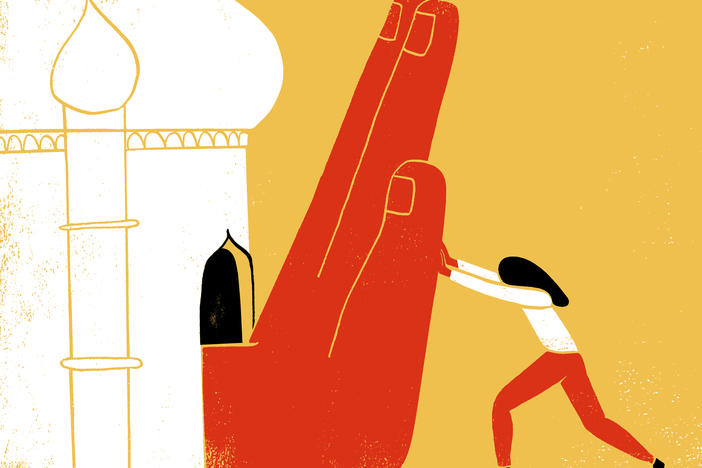
In 2017, two Indian firms began offering workers a day off for a painful period — earning much praise but also some criticism. We wondered if this policy is gaining favor in India and beyond.
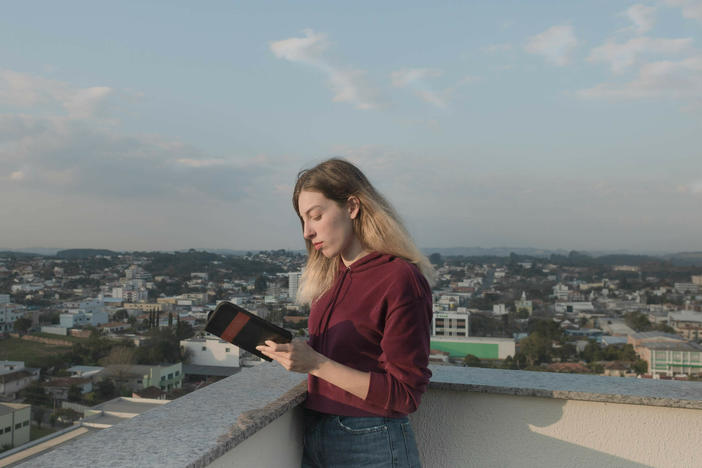
After fleeing the war in Ukraine, a family found a sense of belonging far away - in Prudentópolis, Brazil, known as "Little Ukraine." A year later, the family finds themselves starting over yet again.
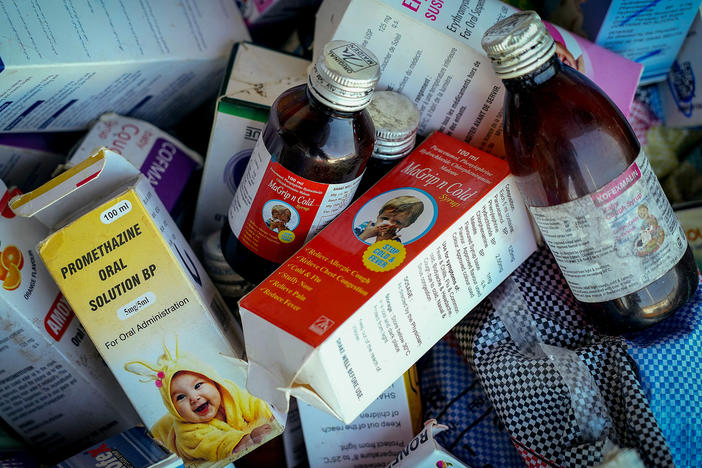
Since the deaths in The Gambia, there have been additional charges that medicines made in India were contaminated and led to sickness. What has happened to the companies involved?
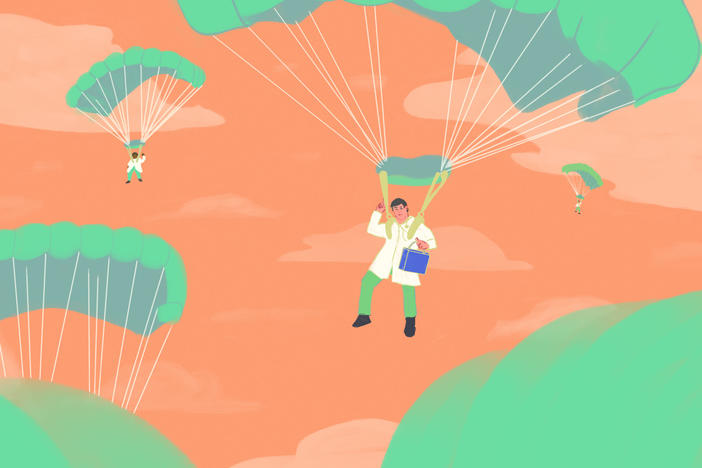
The COVID emergency brought widespread cancellations for short-term fly-ins to run clinics. Are the missions — praised for the help they provide and criticized for a colonialist mindset — coming back?