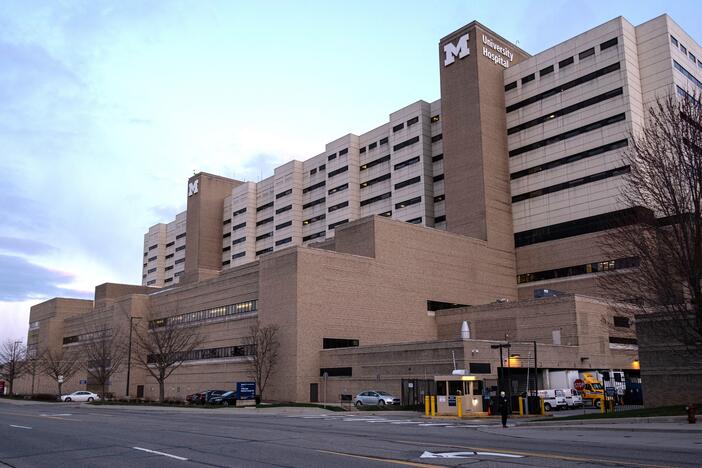
A physician assistant claimed she was fired by a Michigan hospital for seeking a religious exemption regarding gender-affirming care. Now the federal government is also investigating.
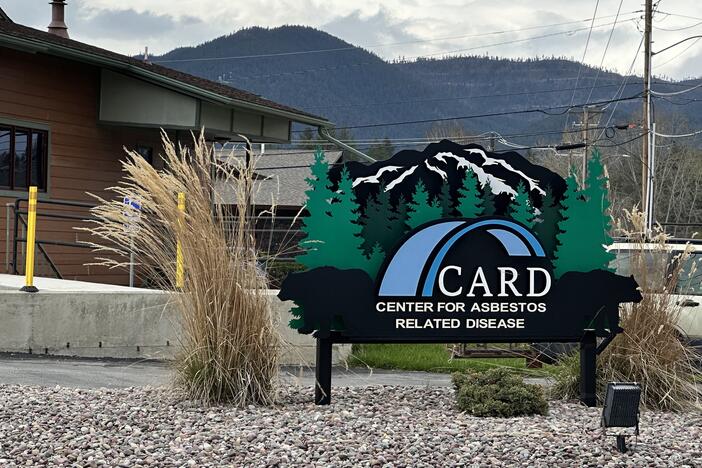
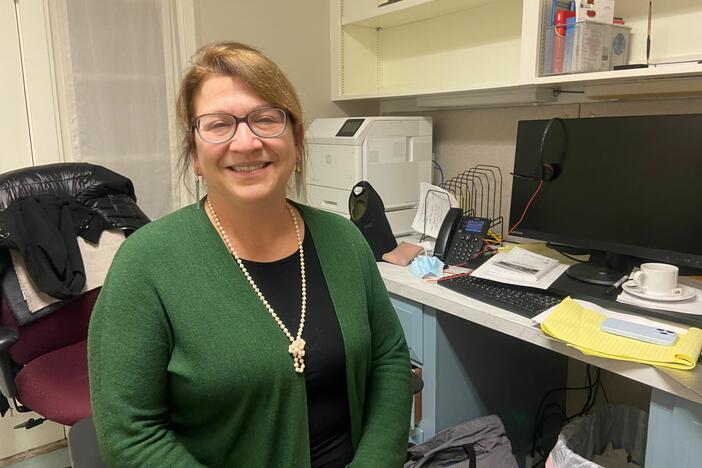
The Center for Asbestos Related Disease in Libby, Montana, closed in May after a court judgment. The clinic's federal funding is also threatened. Patients with scarred lungs worry about what's next.
Cuts to Medicaid moving through Congress would shake up health care in the scenic San Luis Valley — with negative downstream effects on local jobs, businesses and education.
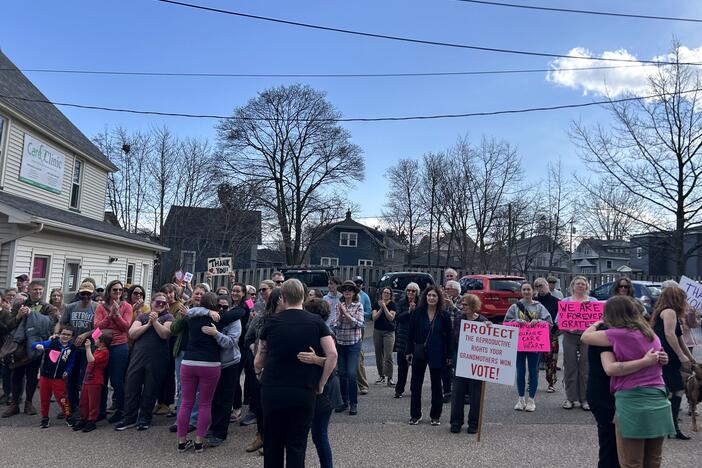
The anti-abortion movement is rallying around new laws that establish fetal 'personhood.' Doctors are scrambling to adjust, but even conservatives don't always agree on how they should be applied.
'Memory cafes' are small social gatherings for individuals with dementia — and their caregivers, too. As public health funding shrinks, memory cafes are cheap to run and can offer measurable benefits.
While Big Pharma seems ready to weather the tariff storm, independent pharmacists and makers of generic drugs — which account for 90% of U.S. prescriptions — see trouble ahead for patients.
Montana is investing $300 million to help those with severe mental illness from cycling through ERs, state psychiatric facilities, jails and homelessness. Advocates say they also need stable housing.
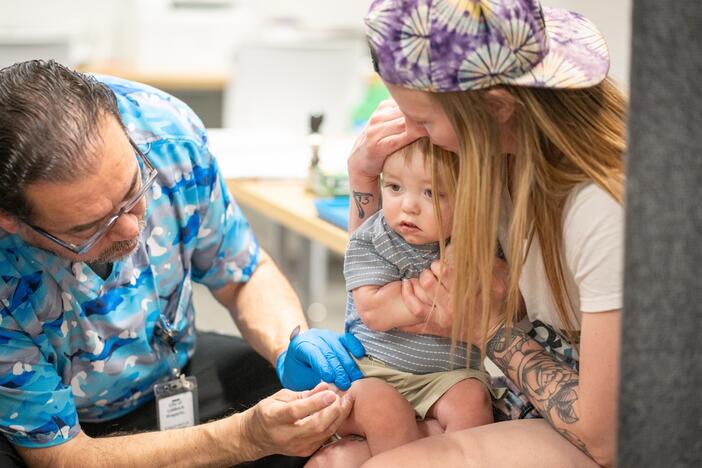
Federal funding cuts, though temporarily blocked by a judge, have upended vaccination outreach across the country, including in Arizona, Minnesota, Nevada, Texas, and Washington state.
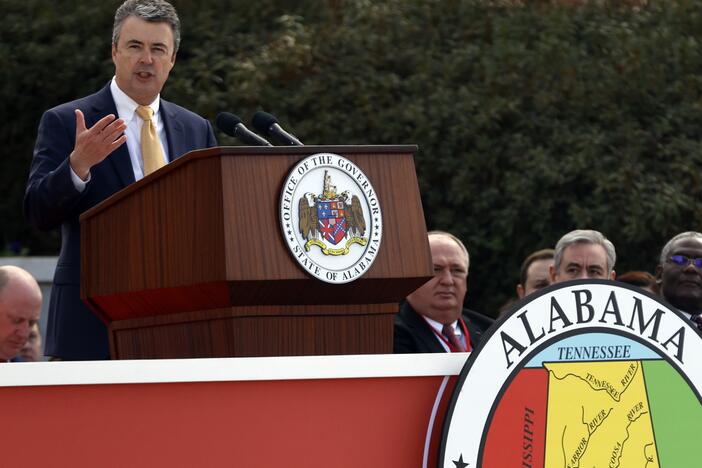
Although most abortions remain illegal in Alabama, the decision allows doctors and advocacy groups to tell patients about abortion options in other states, and help with travel and other costs
The growing number of concierge medical practices limit the number of patients and charge them membership fees. Will this worsen the ongoing shortage of primary care doctors for everyone else?
Patients and parents speak out after Lurie Children's in Chicago joined other hospitals in stopping gender-affirming surgeries. President Trump's executive order threatened their federal funding.
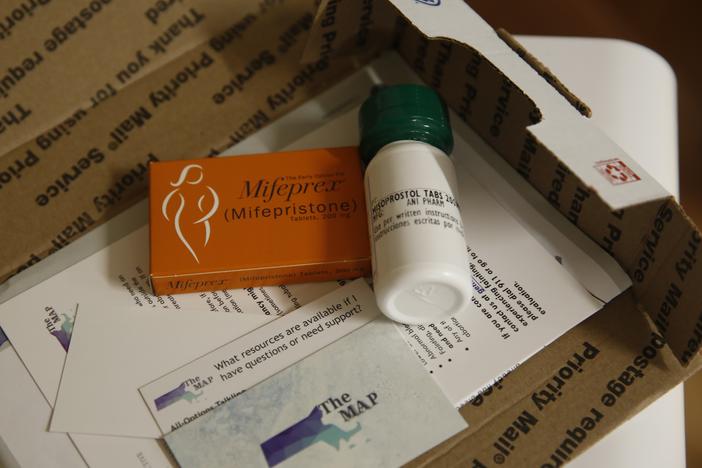
Doctors who mail abortion medication pills across state lines have been on alert ever since Louisiana, which bans abortion, indicted a New York doctor for mailing the pills to a woman there.
The U.S. already faced shortages in its health care workforce, then the pandemic spurred even more doctors and nurses to retire or leave hospital jobs. Filling those vacancies is a challenge.