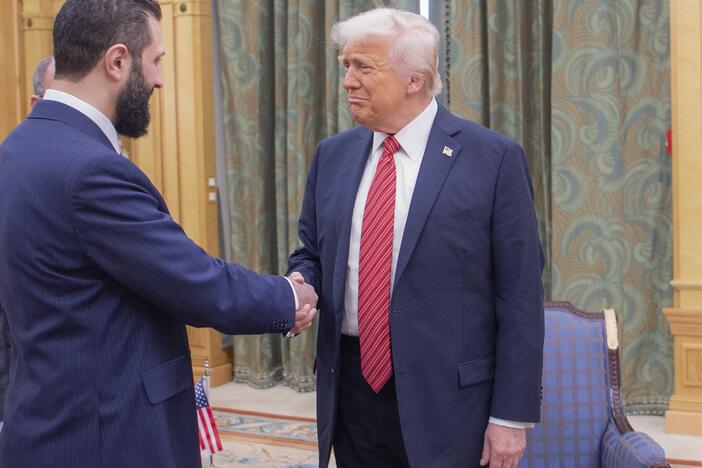
Gulf states are keen to invest in Syria, which has important mineral and oil reserves, but had been prevented from doing so by U.S. sanctions. President Trump has now pledged to lift the restrictions.
In response to a new round of U.S. sanctions, Russia announced Friday that it was banning 500 Americans from entering the country, including former President Barack Obama and comedian Stephen Colbert.
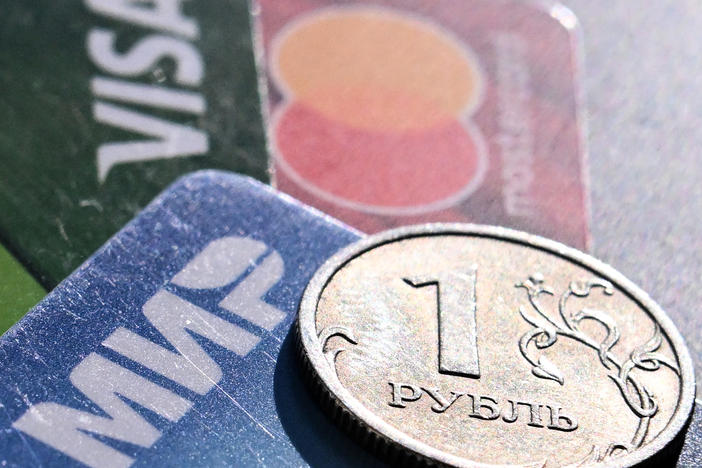
When sanctions were enacted against Russia in February of this year, many forecasts were of an imminent collapse in the Russian economy. A new report looks at why that hasn't happened.
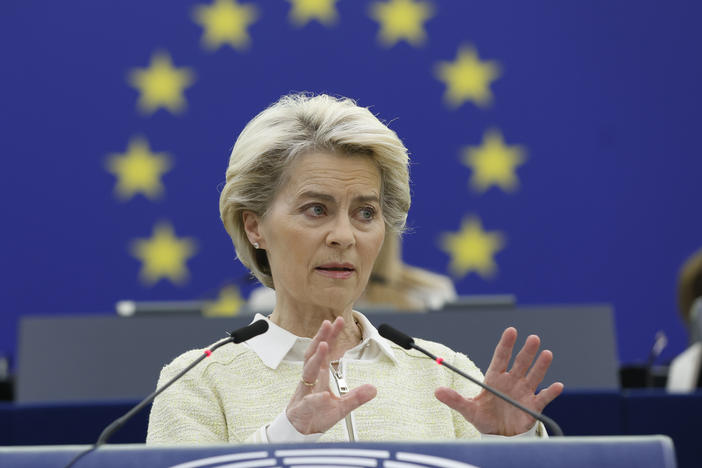
The EU chief concedes that that getting all 27 member countries — some of them highly dependent on Russia for energy supplies — to agree on oil sanctions will be extremely difficult.
The U.S. joined the European Union and Group of Seven nations in enacting new sanctions on Russia in response to the civilian toll reported in Bucha and elsewhere in Ukraine in recent days.
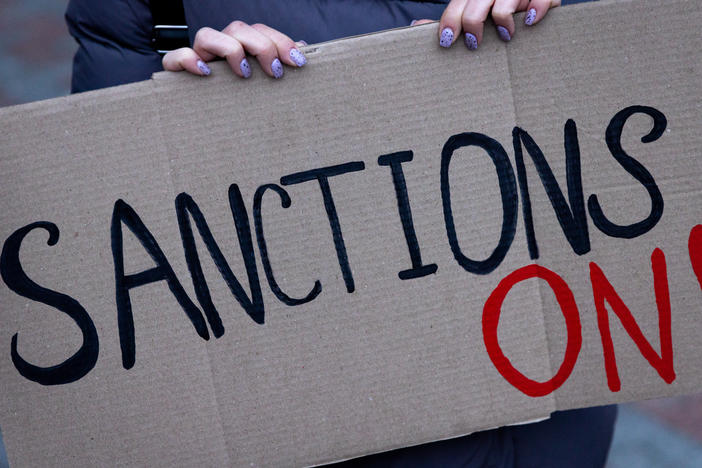
Sanctions can't stop the tanks, but they have had a dramatic impact on the Russian economy and could pressure President Vladimir Putin to change his behavior, says a former Treasury official.
President Biden described the move as a critical step to punishing Russian President Vladimir Putin for invading Ukraine, but said as a result, Americans should prepare for price hikes at the pump.
Companies ranging from General Motors to UPS are exiting or reducing their operations in Russia as wide-ranging sanctions make it all but impossible to operate in the country.