South Dakota Public Broadcasting says there's an ironic result to President Trump's successful attack on public media: It will have to rely more on NPR programs.
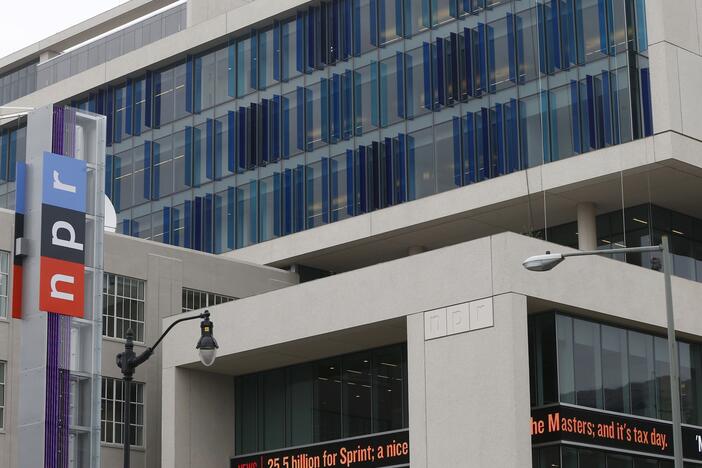
NPR plans to make trims totaling more than $5 million over the course of the coming fiscal year to bring its annual budget into balance. Meanwhile, local stations are asking for more help.
NPR has promoted Thomas Evans, its editorial review chief, to lead the newsroom through a period of change, following Congress' decision to end federal funding of public media.
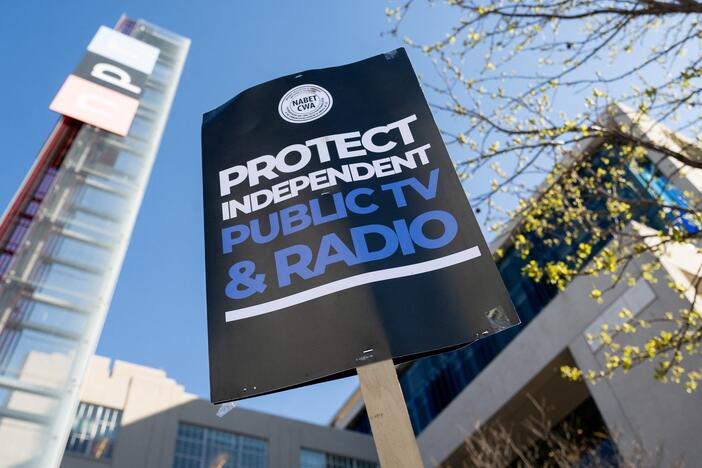
Without congressionally approved funding, public media stations say communities will be left with aging infrastructure amid growing risks from extreme weather.
Congress voted to claw back federal funding to public media. Some of those hit hardest include community radio stations in areas that voted for the president.
"It will test every single shred of creativity we have to continue to try to serve our mission," says one public media executive, as Congress ends federal funding for public broadcasting.
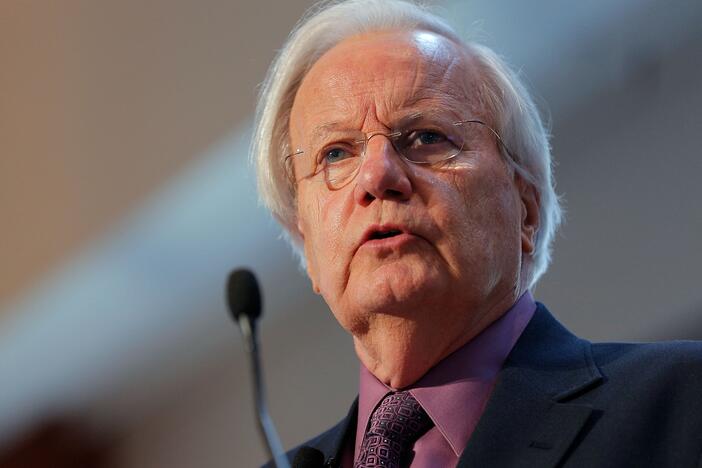
NPR's Scott Simon remembers the astonishing career of former White House press secretary and long-time public broadcasting journalist Bill Moyers, who died this week at the age of 91.
The U.S. House voted Thursday on a rescission bill to claw back money for foreign aid programs, along with the next two years of funding for the public media system. The measure now goes to the Senate.
Senate Democrats warn Trump plan to wipe out public broadcasting funding will shut down stations, eliminate essential services. But House GOP scheduled to vote to clawback $1.1 billion next week.
In an executive order, President Trump directs the Corporation for Public Broadcasting to stop funding NPR and PBS. They say he can't. PBS chief Paula Kerger calls it "blatantly unlawful".
Critics say the ruling party overhauled public media to serve as a mouthpiece and a state-backed oil refiner's purchase of a newspaper chain brings more outlets under party loyalist control.