If you are struggling to keep fruit flies out of your Georgia home, you are probably not alone. The hotter it gets, the more you’ll see them flying around, but there are ways to keep them away for good.
Winter typically means no bugs, but one particular pest thrives in winter and will ruin your plans to stay pest-free. They are called silverfish, but they aren’t flapping fish. Rather, they are little slithering critters, ready to eat up anything and everything in your home.
If you’ve been seeing spots and smelling something odd, chances are, these bugs have been inviting themselves into your home. At first glance, they look like a cute ladybug, but get too close and they swarm, stink and nip. They’re called the Asian lady beetle and they are quite the pest.
National Rodent Awareness week started Oct. 19 and while we didn’t really know that was a thing, it’s time to start thinking about ways to deter the critters and keep them out for good.
If you’ve seen stink bugs around your home, you’re not alone. These small, smelly bugs run rampant in the fall and they’re coming to invade your Georgia home. But you can send them packing.
Farmers are dealing with a new and unique challenge: the cotton jassid, which has spread quickly across much of the state’s okra and cotton-growing regions.
As the weather warms up and you spend more time outdoors, keep an eye out for the Asian needle ant, an invasive species of ant that can cause serious problems in your yard.
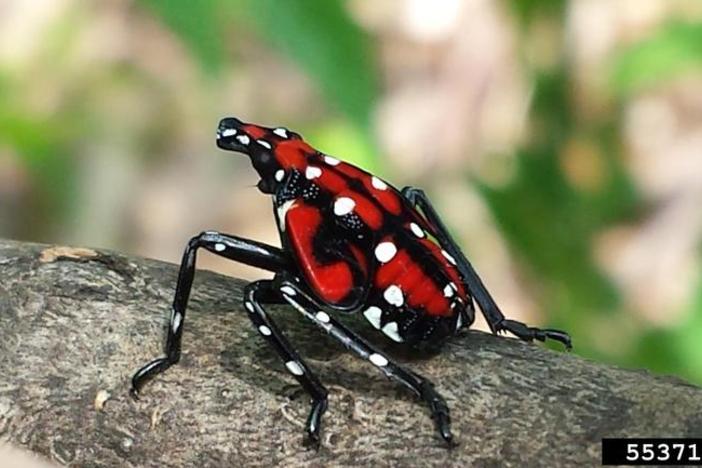
On Thursday, Nov. 14, the United States Department of Agriculture confirmed with the Georgia Department of Agriculture the first detection of an invasive plant hopper known to risk Georgia’s agriculture in Fulton County in October.
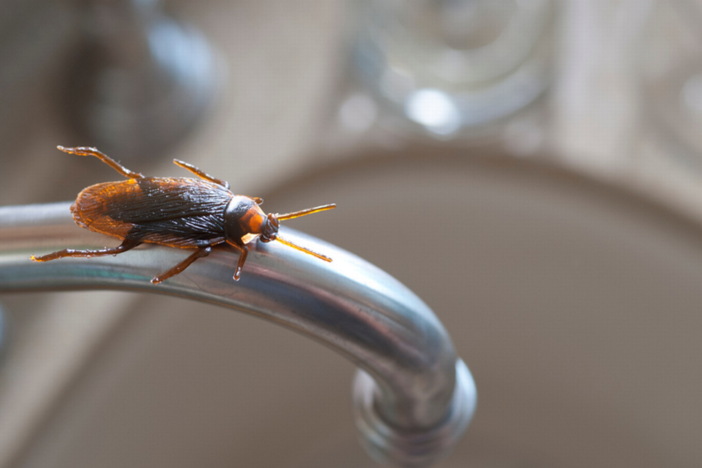
Cockroaches are common in the Georgia heat and with a scorching summer ahead, these creepy crawlers are coming out to play. Sure, they live outside, but every now and then, you may see one indoors at work or even in your own home.
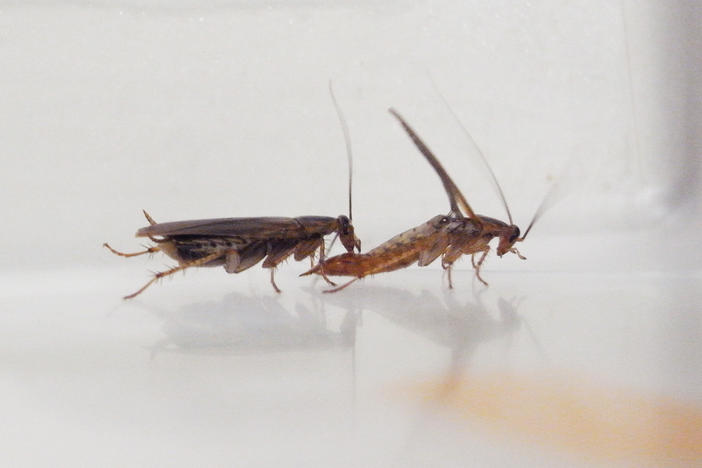
The German cockroach evolved to live only in human environments. This roach is very good at adapting to pest control methods — even if it means changing its mating rituals.
A North Carolina-based company is looking for a few study participants who are willing to welcome roughly 100 cockroaches into their homes. It got more than 2,500 applications in less than a week.