Two months after the U.S.-Israeli attack on Iran started the war, peace talks are on hold, with control of the Strait of Hormuz and the future of Iran's nuclear program as the two main points of contention.
Iran's foreign minister arrived in Russia on Monday, after a whirlwind weekend of diplomacy, seeking to gain political leverage and foreign backing as peace talks with the U.S. remain on hold.
Iran's Abbas Araghchi arrived in Islamabad on Friday, as the White House confirmed Steve Witkoff and Jared Kushner will travel there Saturday to try to "move the ball forward towards a deal."
Three vessels came under fire in the Strait of Hormuz, after the U.S. and Iran failed to meet in Pakistan for talks to end the war and as President Trump extended the ceasefire but kept the blockade.
The U.S. and Iran were expected to begin a new round of talks in Pakistan this week, but there's increasing uncertainty about when or if they will happen.
The latest talks could be an early litmus test on how seriously Moscow perceives President Trump's threats to impose sanctions — and how Russia might respond.
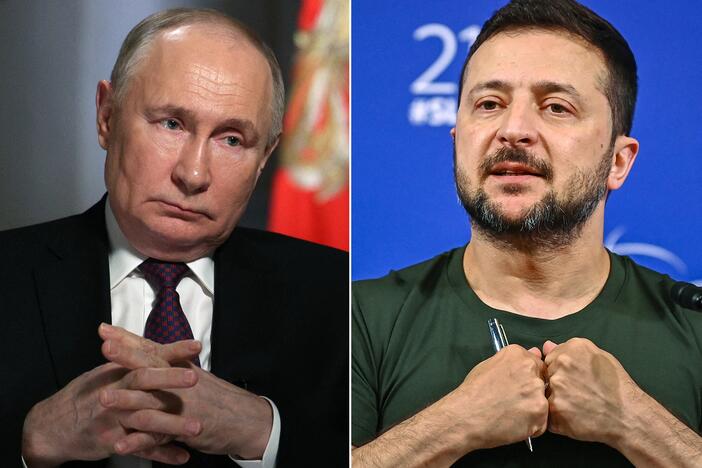
Russia has proposed another attempt at peace negotiations with Ukraine on Monday in Istanbul, but both sides remain firmly entrenched in positions likely to prolong the war.
Russia declared a three-day ceasefire in Ukraine starting May 8 for the anniversary of the Soviet Union's victory over Nazi Germany. Ukraine called for an immediate, 30-day truce instead.
The historic negotiations represent the first direct talks between the long-warring sides. However, leaders warn that reaching a peace deal could take time.