Global crude oil prices are now lower than they were before Israel attacked Iran earlier this month. A price spike did occur, but it was short-lived — unlike oil crises of the past.
Israel's attack on Iran sparked the biggest jump in crude oil prices since Russia's invasion of Ukraine more than three years ago. Stocks fell sharply.
Markets in Asia opened lower early Friday while oil prices surged after Israel attacked Iran's capital amid the ramping up tensions over Tehran's rapidly advancing nuclear program.
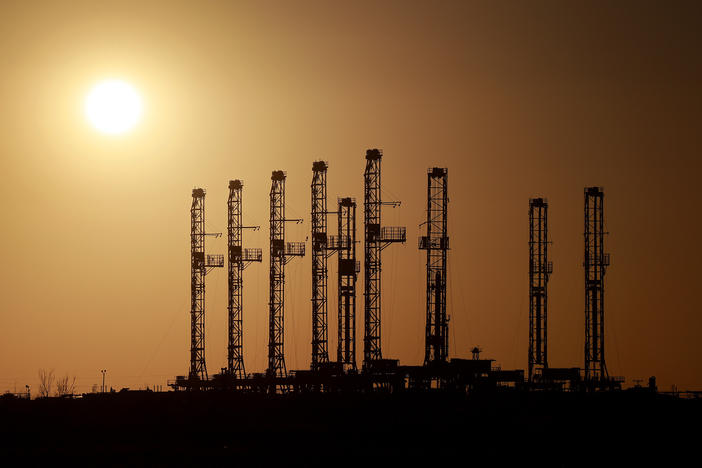
Business is pretty good in America's busiest oil patch. Prices are high enough to turn a profit and then some. But instead of going wild, producers have been aiming for something new: Discipline.
Oil prices surged after Saudi Arabia and some other oil producers announced they're reducing their oil output. That will send gas prices higher – and benefit energy companies in America.
Higher oil prices would help fill Russian President Vladimir Putin's coffers as his country wages war on Ukraine and force Americans and others to pay even more at the pump amid worldwide inflation.
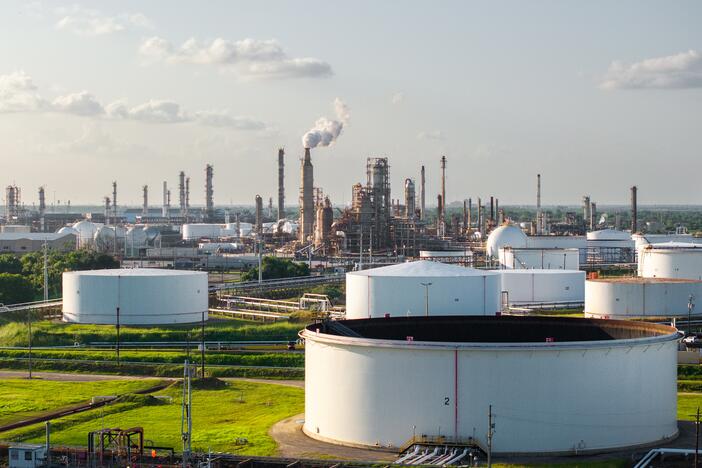
The world's biggest oil company has announced it made $161 billion in profits in 2022, a whopping figure for the corporation and its main shareholder, the Saudi government.
The 2 million bpd cut in oil production was backed by Saudi Arabia and could benefit Russia. The OPEC+ meeting took place as much of the world is battling soaring energy costs and rising inflation.
President Biden says he wants the biggest refiners to do more to increase gasoline supply and lower prices. He says he's ready to use emergency powers to boost capacity — but he didn't give details.
Gasoline has become more expensive given that oil prices have surged as the world recovers from the pandemic. Russia's invasion of Ukraine has also made things worse. Here are four things to know.
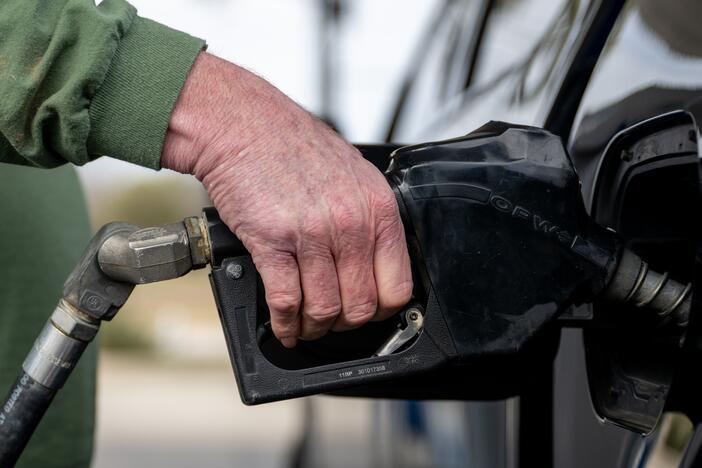
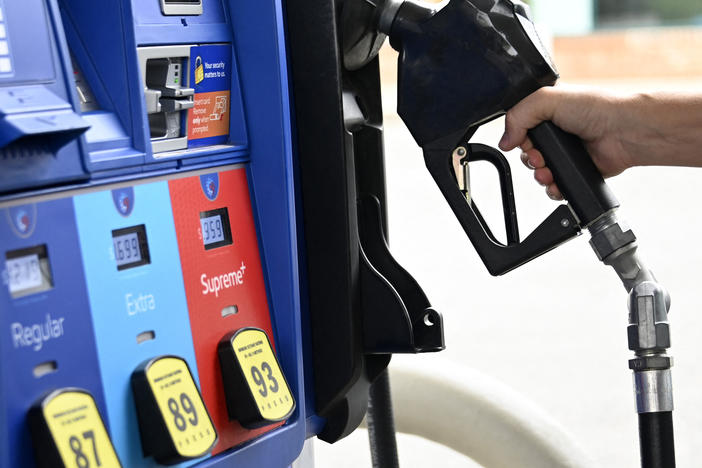
Gas prices surged to a national record, not adjusted for inflation, surpassing the previous milestone hit around two months ago. It comes just ahead of the key summer driving season.
The International Energy Agency plans to release 120 million of barrels of oil from their emergency reserves, including 60 million from a previously announced U.S. drawdown.
The Biden administration is encouraging U.S. oil companies to increase their production to help curb record-high gasoline prices. Turns out, however, that boosting output is easier said than done.