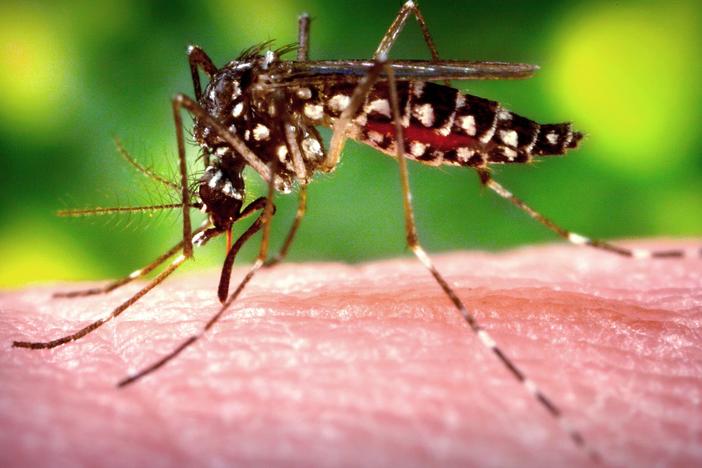
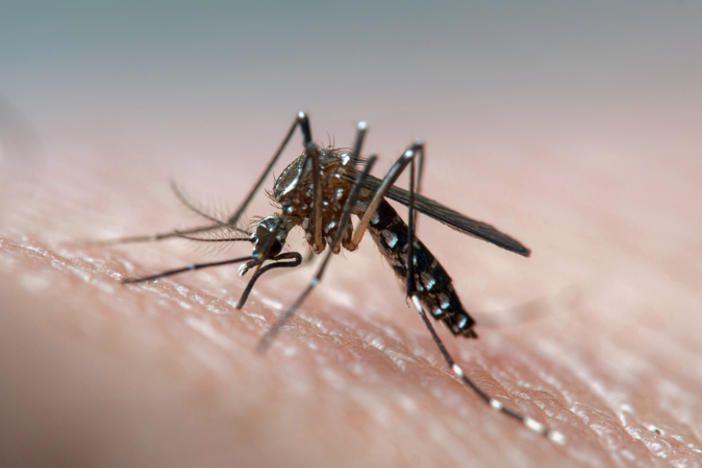
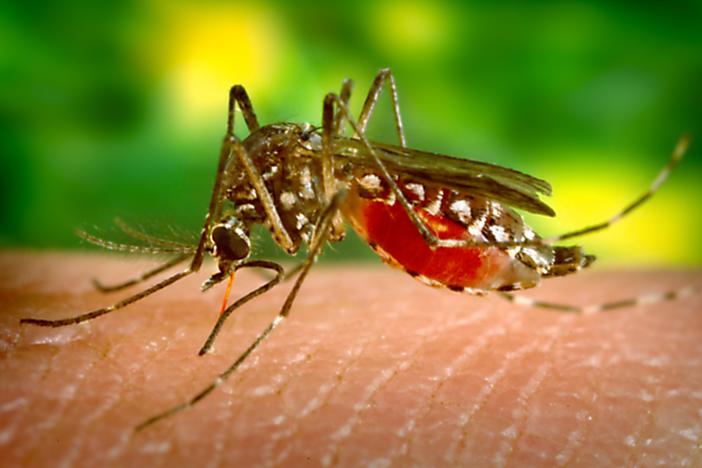
The Centers for Disease Control and Prevention warns of an increased risk of dengue infections in the U.S. this summer. The mosquito-borne virus is surging, and human travel is expanding its reach.
Brazil looks to short-term and long-term strategies to fight a disease so painful it's known as "breakbone fever." The outbreak is part of a global wave of dengue triggered in part by climate change.
Africa's cities have become home to an invasive, malaria-carrying mosquito. New research suggests vulnerabilities that could be exploited to take on the disease-bearing insects.
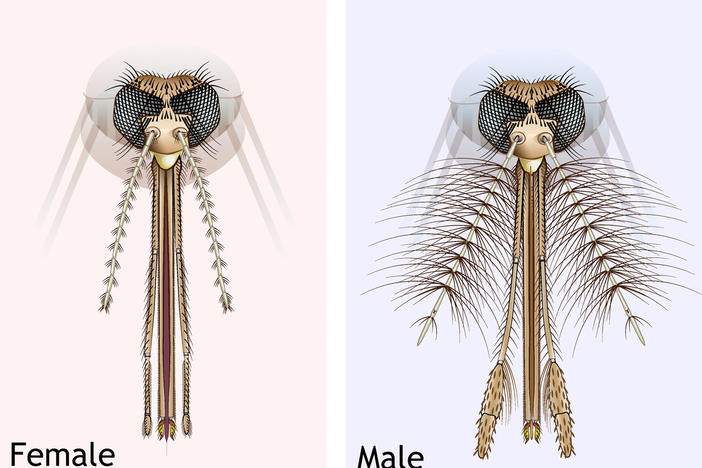
If the guy skeeters can't hear the buzz of females ... no mating, no new generations. The results of a study on mosquito hearing could lead to a different kind of population control tool.
Scientists have used a gene-editing technique to make mosquitos allies in the fight against malaria. Environmentalists are troubled by the idea of genetically modifying wild animals.
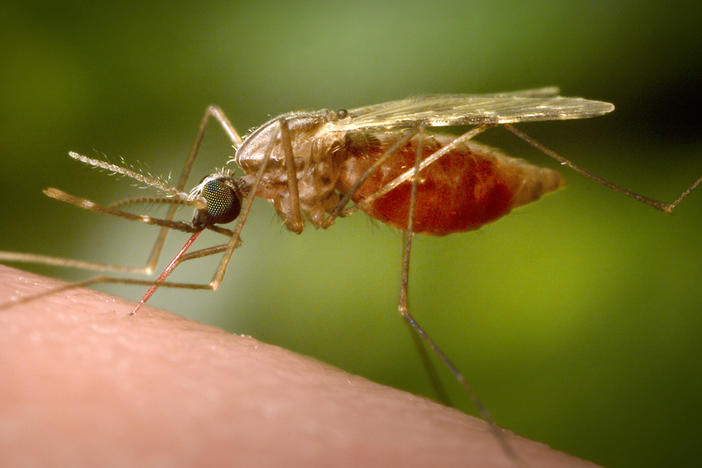
Five local cases of malaria in the U.S. have been reported --mosquitoes carrying the malaria parasite bit and infected the individuals. How worried should we be? Is climate change a factor?
The number of patients is soaring, the health system is stressed and the government is facing criticism over its response. So far 150,000 Peruvians have caught the virus this year and 248 have died.
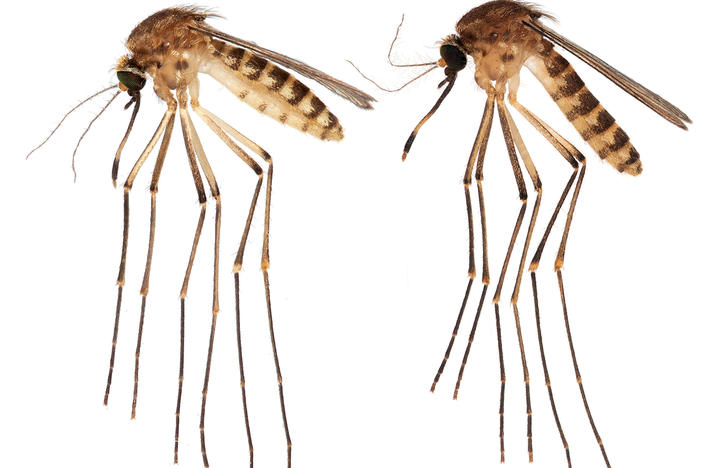
Little is known about the mosquito species known as Culex lactator. But it belongs to a group of mosquitoes known to carry diseases and researchers are worried about what will happen.
Volunteers for the trial put an arm over a box with hundreds of mosquitoes carrying a genetically modified malaria parasite. Here's why they did it that way — and why the trial holds promise.
That's how neuroscientist Meg Younger describes her team's findings about how skeeters hone in on human aromas. And that could lead to better ways to keep us bite- and disease-free.
Researchers have found that certain viruses may have a trick up their sleeve that can make humans more attractive to mosquitoes. The study also revealed a possible remedy.
Aedes scapularis mosquitoes are from the tropics and can carry yellow fever. Entomologist Lawrence Reeves recently identified them among mosquitoes he collected near Everglades National Park in 2019.
In 2015, the mosquito-borne virus Zika exploded in South America. Health experts predicted it would erupt in Africa. But a major outbreak never happened. Now scientists think they understand why.