Current and former Meta employees fear the new automation push comes at the cost of allowing AI to make tricky determinations about how Meta's apps could lead to real world harm.
European Union watchdogs fined Apple and Facebook's parent company hundreds of millions of euros as they stepped up enforcement of the 27-nation bloc's digital competition rules.
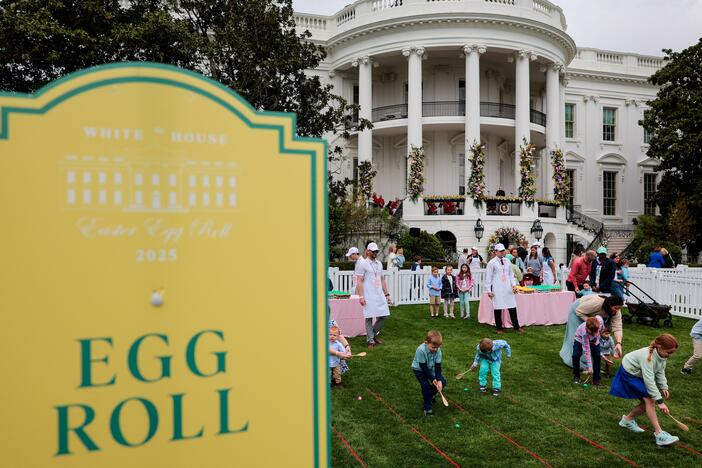
President Trump and the first lady welcomed an estimated 40,000 people to the South Lawn of the White House on Monday for its annual Easter egg roll event. The annual tradition dates back to the presidency of Rutherford B. Hayes, and save for war and food shortages, has been a mainstay of Pennsylvania Avenue since 1878.
In Zuckerberg's second day of testifying in the federal antitrust trial, he defended Meta's acquisitions of Instagram and WhatsApp. The U.S. government wants Meta to bust up the two companies.
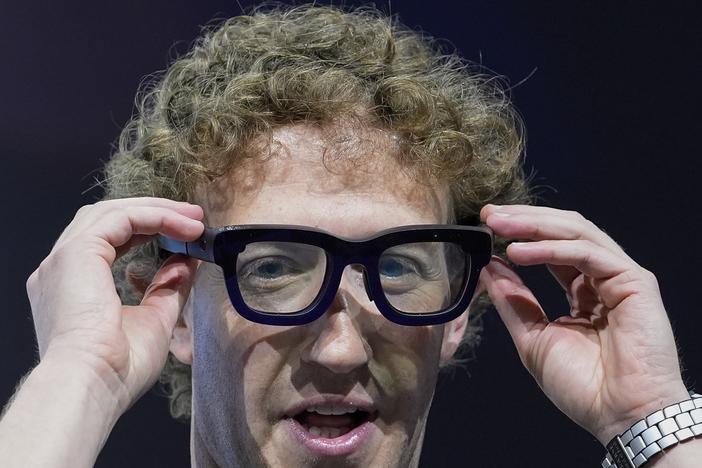
Dozens of witnesses are set to take the stand in the trial, including CEO Mark Zuckerberg, who is scheduled to testify for seven hours. The outcome could reshape the future of Meta.
The government plans to call Mark Zuckerberg and Sheryl Sandberg to the witness stand. The trial is expected to run nearly two months in a federal courtroom in Washington.
Meta agreed to pay President Trump $25 million to settle a 2021 federal lawsuit alleging First Amendment violations after his suspension from Facebook and Instagram in the wake of the Jan. 6 attack.
CEO Mark Zuckerberg called the company's previous content moderation policies "censorship," repeating talking points from President-elect Donald Trump and his allies.
A spokesperson for Meta confirmed that Zuckerberg and Trump met on Wednesday, saying he was invited for dinner with the president-elect to talk about the incoming administration.
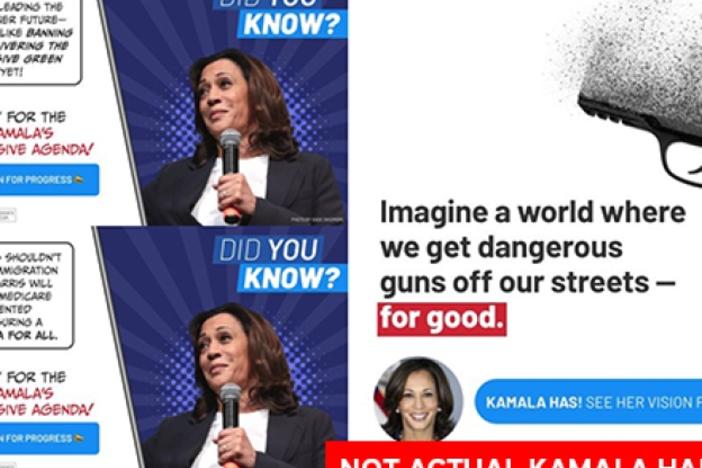
Ads seemingly advocating for Vice President Harris on Facebook are really part of an effort by a dark money group to mislead voters. The messages have been viewed millions of times.
The social media company discontinues its CrowdTangle tool, which researchers have used to track misinformation. Amid fears of election interference, lawmakers have urged Meta to keep it running.
A new report by Children and Screens rounds up the changes spurred by the U.K.'s Age Appropriate Design Code, which went into effect in 2020. Similar laws are being considered in the U.S.
Meta will start labeling images created with leading artificial intelligence tools in the coming months, amid growing worries about the potential for AI to mislead.